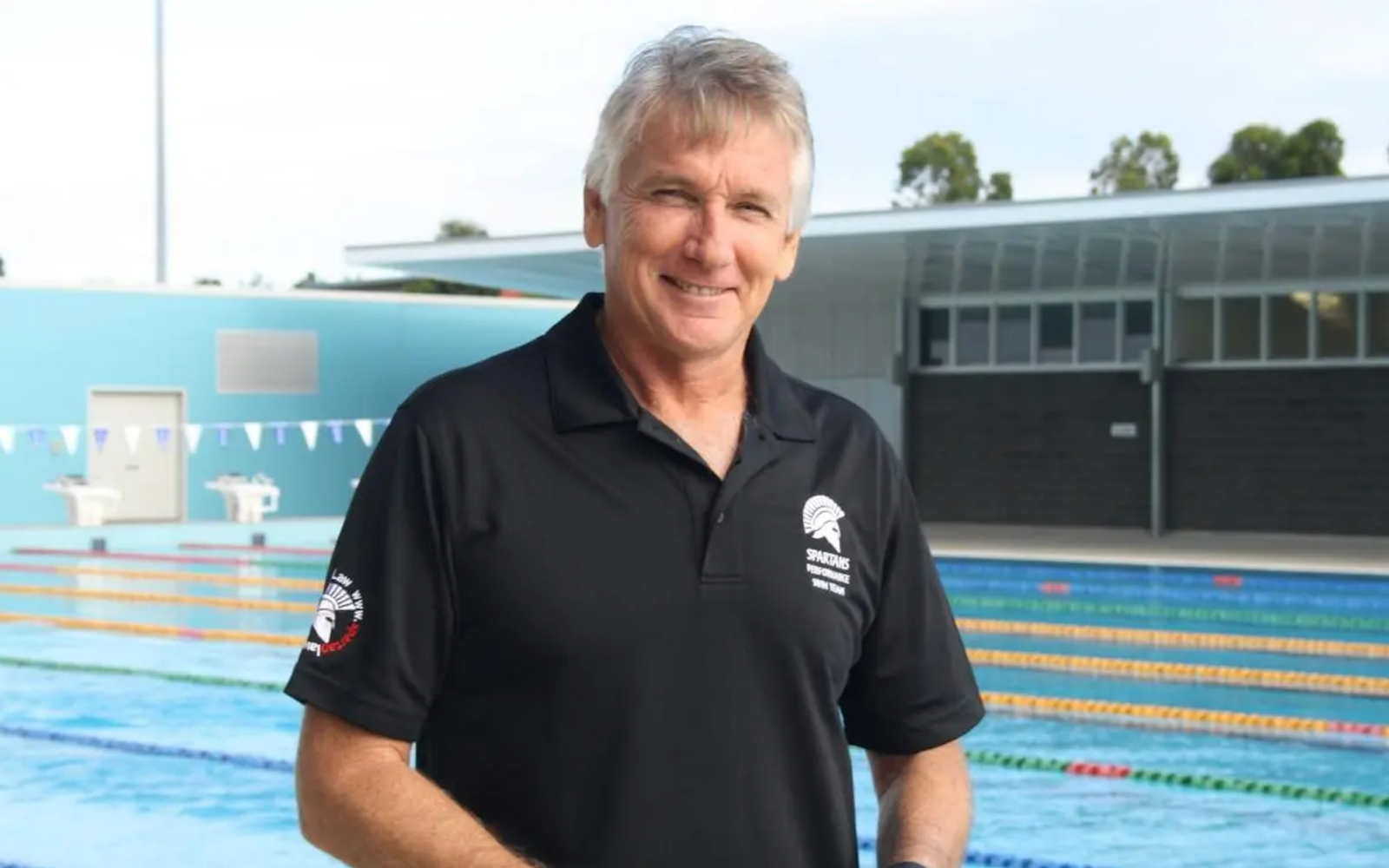
Australian Paralympian, coach and researcher Professor Brendan Burkett has been recognised with the International Paralympic Committee’s Scientific Award, honouring a lifetime of contribution to advancing Para sport and improving outcomes for athletes with a disability.
Presented every two years, the IPC Scientific Award is one of the highest honours in Para sport research, recognising individuals who have made significant contributions to the scientific study of sport for persons with an impairment.
But Burkett insists the recognition belongs to Australia as much as it belongs to him.
“It’s really a thank you to the whole team,” Burkett said.
“So many people have contributed to make these things happen.
“It’s an Australian award. I couldn’t do it on my own. I needed athletes, coaches, PhD researchers, team managers and all the people around them.
“Historically it’s often been dominated by bigger countries in the Northern Hemisphere and the Americans, so it’s great for little old Aussies to get up and have a win.”
The prestigious honour recognises Burkett’s decades-long impact across the Paralympic Movement, first as a decorated athlete and later as a leading researcher, coach and performance specialist whose work has helped shape Para sport in Australia and around the world.
For Paralympics Australia, the recognition reflects not only Burkett’s individual achievements but also his enduring contribution to Australian Para sport, where his expertise and leadership have influenced generations of athletes, coaches and practitioners.
“Brendan’s impact on Paralympic sport is extraordinary because he has helped shape our Movement from so many different perspectives,” said Paralympics Australia Chief Executive Officer, Cameron Murray.
“He has represented Australia as an athlete, supported others as a coach and dedicated decades to advancing the knowledge and innovation that help athletes perform at their best.
“This award is fitting recognition of a career spent making Para sport stronger, both in Australia and around the world.
“At Paralympics Australia, we are delighted to see Brendan recognised in this way. It’s a reflection of his passion, curiosity and unwavering commitment to helping athletes reach their potential. Few people have given as much to the Paralympic Movement, and this honour is richly deserved.”
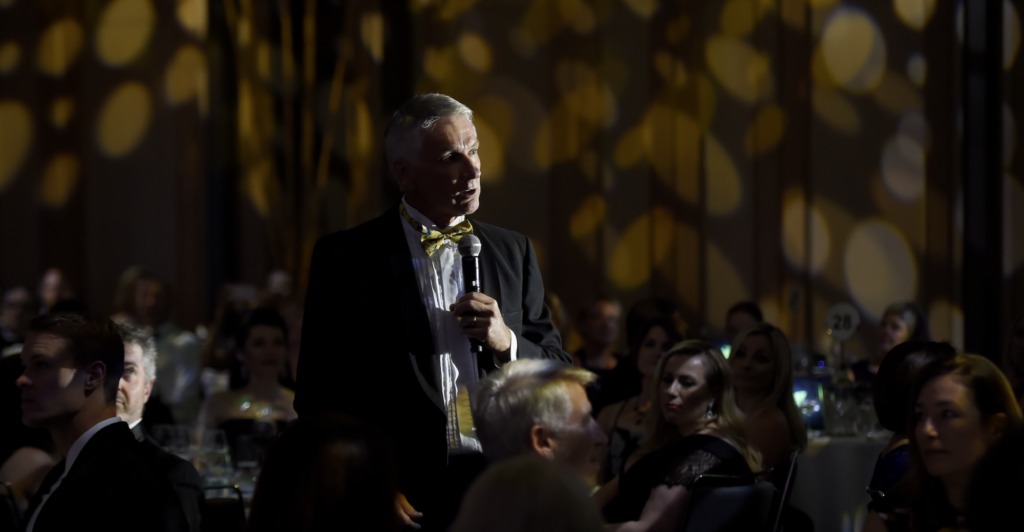
For someone whose career has spanned almost every corner of the Paralympic Movement, Burkett’s reaction to receiving the news was characteristically humble.
A colleague overseas had approached him months earlier seeking to nominate him for the award.
“I said, ‘Look, I don’t really want to,'” Burkett laughed.
“He said, ‘Well, if you don’t send me your CV, I’ll just make it up.’
“So, I thought I’d better send it through.”
When the news eventually arrived, Burkett said he was left feeling “humbled” and “speechless”.
While IPC Scientific Award may bear his name, Burkett said he sees it as a recognition of the athletes, coaches, researchers and support staff who have worked alongside him throughout his career and a reminder of what Australian Para sport can achieve through collective effort.
The recognition marks another chapter in a remarkable career.
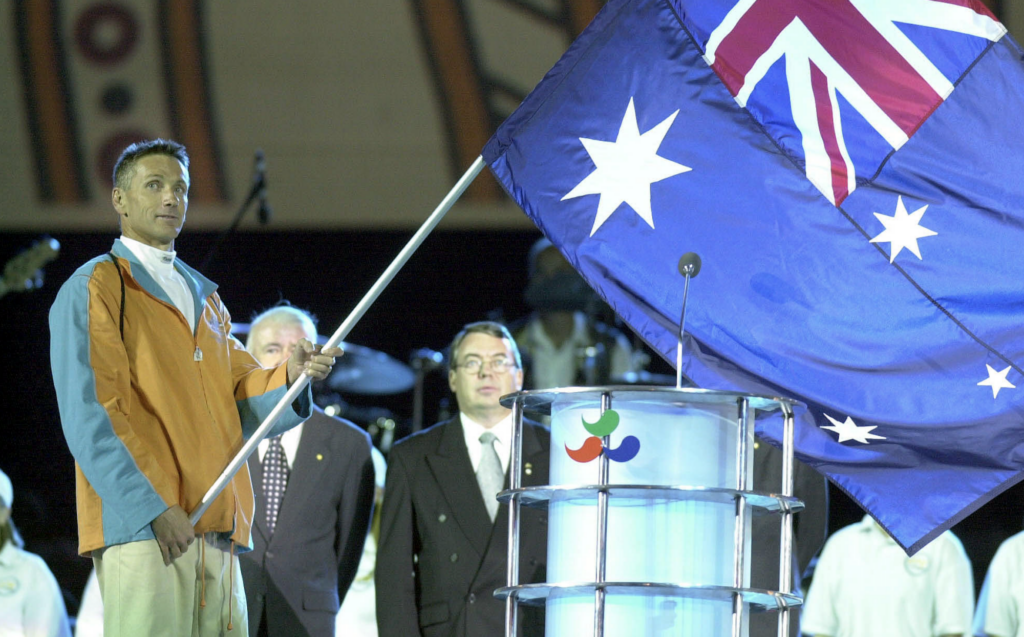
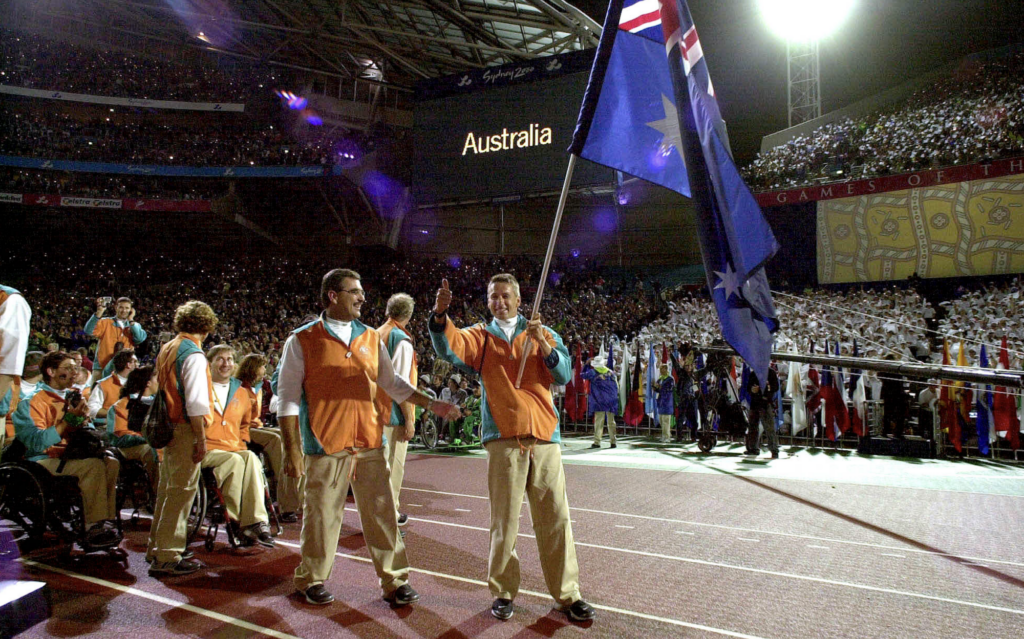
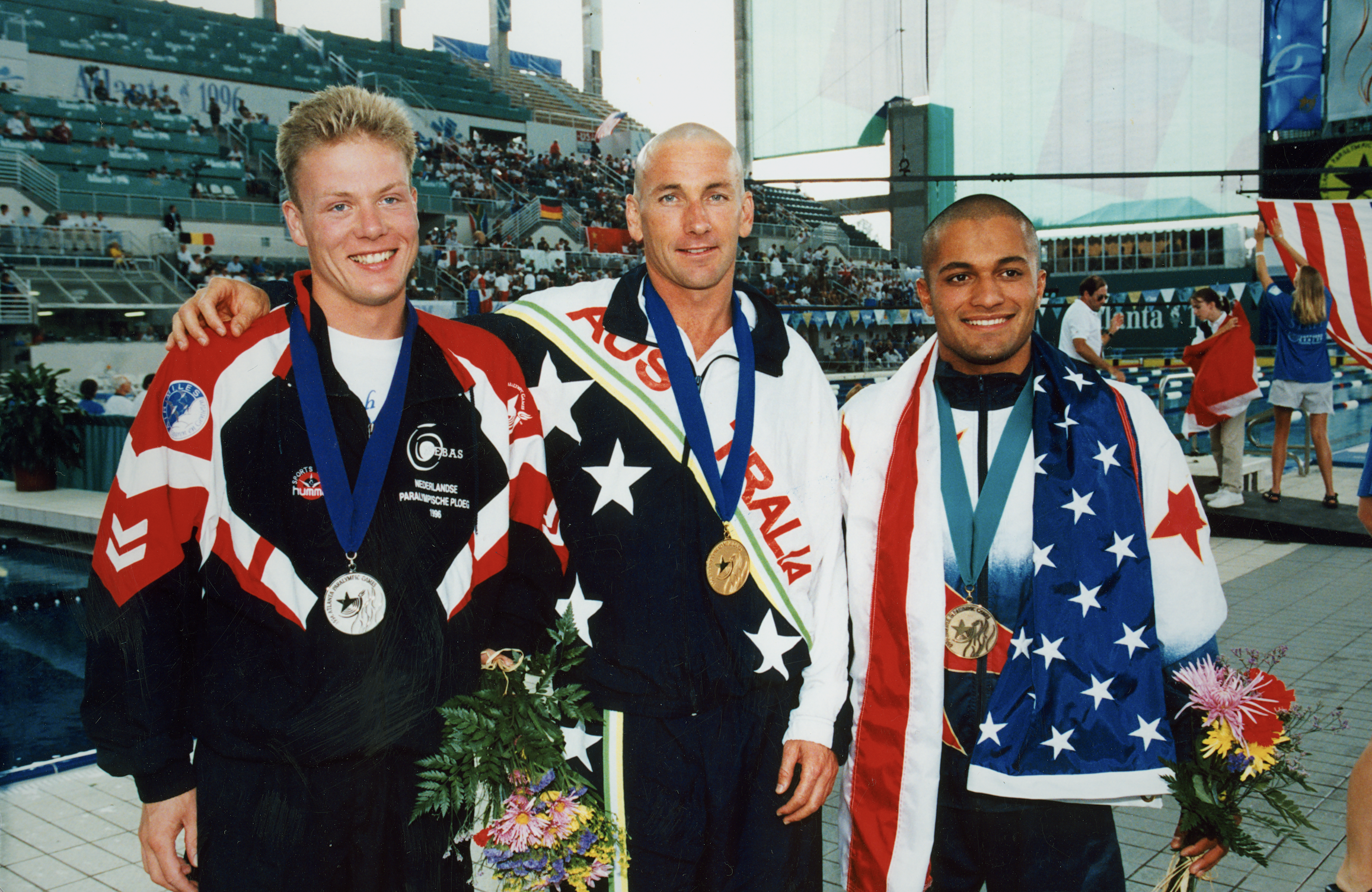
A Paralympic swimmer who represented Australia across four Games, Burkett won multiple medals, captained the Australian team and was flag bearer at the Sydney 2000 Opening Ceremony before embarking on a second career in coaching, performance leadership and research.
He would go on to build an international reputation in biomechanics and Para sport research, helping advance understanding of athlete performance and innovation while contributing to the broader development of the Paralympic Movement.
But when asked how it all started, he doesn’t mention ambition or long-term plans.
There weren’t any.
After acquiring his disability, his priority was getting back into sport and rebuilding his life. One opportunity led to another, a qualifying time took him to state championships, which led to national competitions and later opportunities overseas.
“You just want to be the best you can and take what happens along the way,” Burkett said.
“Just say yes to opportunities presented to you.”
That philosophy would eventually take him beyond the pool deck and into coaching, performance leadership and research, where he became known for bringing together athletes, coaches and experts from a range of disciplines in pursuit of better outcomes.
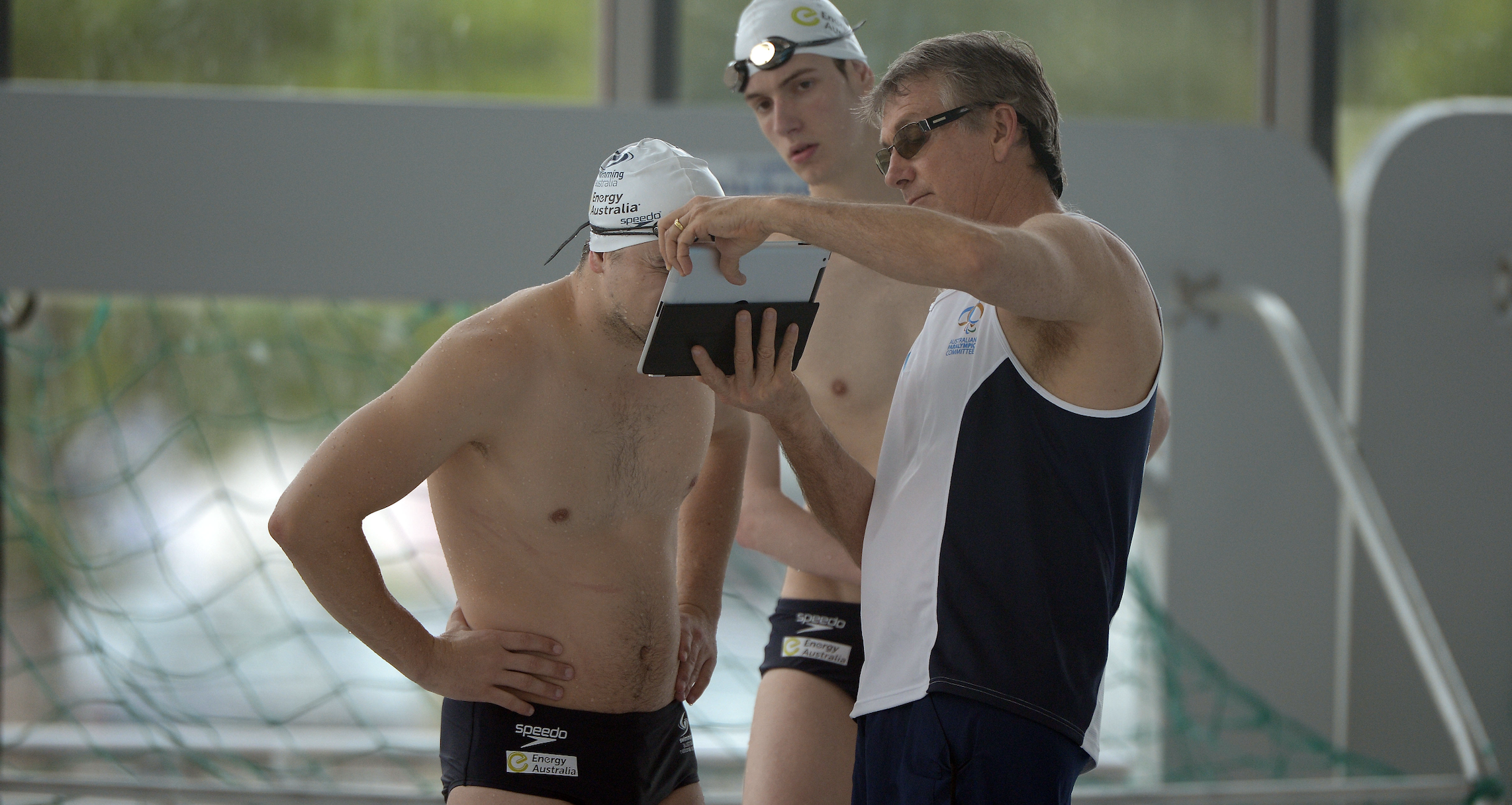
Having experienced the Paralympic Movement from several perspectives, Burkett believes each role has deepened his appreciation for what athletes need to succeed.
“You’ve got an understanding of what you’ve got to go through to make that first team, to do that qualifying time and hopefully get on the podium,” he said.
“You don’t have all the answers, but you try to bring the right people together and create the best opportunity for the athlete, the coach and ultimately the Australian team.”
Throughout his career, Burkett has championed an athlete-first approach to innovation, believing advances in technology, research and performance science are most powerful when they help athletes unlock their potential.
As Australia builds towards Brisbane 2032, he hopes the Games can inspire the same spirit of collaboration he experienced in the lead up to Sydney 2000.
“We’ve got to work together and take on the world,” he said.
“That’s far more important than one state beating another state.
“Hopefully Brisbane gives us the confidence to work together and the knowledge that actually we can take on the world and give it a really good crack.”
Asked where the honour sits among the highlights of a career, Burkett admits it holds special significance.
“It’s your profession. It’s what you do,” he said.
“To have that level of international recognition, that’s a podium finish. That’s outstanding.”
Yet when he reflects on everything the Paralympic Movement has given him, medals and awards are not the first things that come to mind, instead, he thinks of the people, the friendships and the privilege of contributing to moments that transcend sport.
“The Paralympic Movement has given back way more than what you put in,” he said.
“You get to be part of moments where sporting greatness happens, and you were part of the crew that achieved that.
“You can’t buy that.
“It’s been a privilege to be part of it.”
By Ashley Gillespie, Paralympics Australia.
Published 19 June, 2026.

"*" indicates required fields