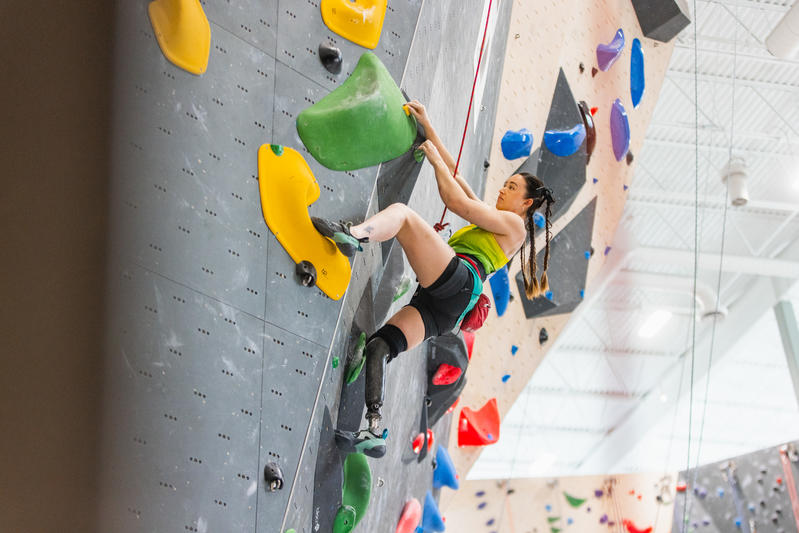
A sport still sketching the outline of its Paralympic future will take a decisive step forward in Melbourne this weekend, with Sport Climbing Australia (SCA) hosting its first standalone Paranational competition ahead of the Los Angeles 2028 Summer Paralympics.
The inaugural Para National Cup, to be held on Saturday May 23 at Urban Climb in Blackburn, will bring together Australia’s leading Para climbers alongside a new wave of athletes entering the system, all sharing the same walls as the sport accelerates towards its Paralympic debut.
The event is the first in a new domestic series designed to create more high performance opportunities for Para athletes on home soil – an important development for a cohort that has historically had few opportunities to compete regularly at a high level in Australia.
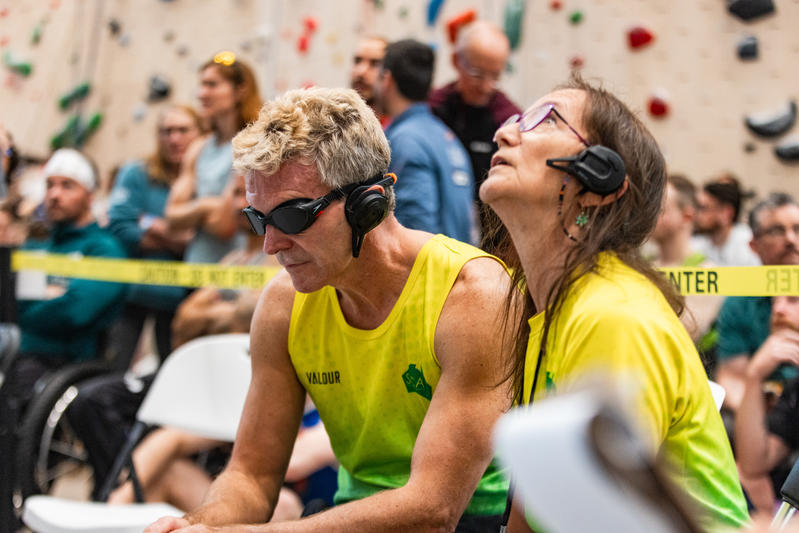
National Para Climbing Coach Alex MacInnes says the event marks a pivotal moment for the sport: “This weekend’s Para National Cup is the first standalone Para climbing competition we have run in Australia. Often our events are combined with Olympic discipline competitions at state and national events, so it’s exciting to be delivering an event that is just Para.
“The intention behind the National Cups is to provide additional opportunities for current and aspiring athletes to climb at higher levels more than once a year at home. While there will only be one Para National Cup this year, we are hoping to grow it into several events each year.
MacInnes said the sport’s culture had already helped foster a strong sense of inclusion.
“Climbing as a sport is very welcoming and inclusive, and we are looking forward to bringing these new climbers into our community,” he said.
Performances at the event will also feed into selection conversations for upcoming World Climbing Para Series events later this year.
All 17 current members of the Australian Para Climbing Team are expected to compete, alongside a group of athletes entering the pathway through a national classification process being conducted this week.
Seven athletes from across Australia are undergoing classification ahead of the event, including new athletes and others completing 2026 reviews, under the guidance of Paralympics Australia and Sport Climbing Australia Classification Specialist, Emily Rennes.
Rennes has played a key role in developing the world-first national classification framework for Para climbing in Australia. In partnership with SCA’s National Performance Health Lead Katie Kaminsky and International Classifier Sian Spencer, they’re shaping how athletes access and experience classification.
“The spread of classes at Sport Climbing Australia’s National Cup reflects how inclusive and competitive the sport is becoming,” Rennes said.
“Having only recently been added to the Paralympic program, Sport Climbing Australia has worked hard to build and implement a world-class standard of classification in line with international frameworks.
“We will conduct a technical assessment on Friday, followed by in-competition observation during Saturday’s event, before outcomes are provided.”
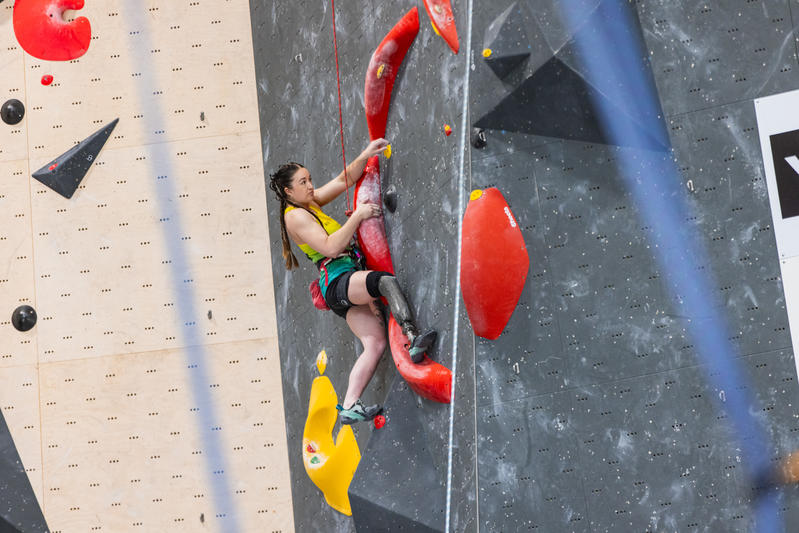
The event follows Australia’s most successful World Cup campaign in Salt Lake City, where Sarah Larcombe claimed her 11th World Cup silver medal and continued to close the gap on dominant French rival Lucie Jarrige.
Larcombe said the introduction of meaningful domestic opportunities will be transformative for Australian athletes and prospects.
“Having domestic competitions is huge,” Larcombe said.
“It allows us to gain experience on competition-specific routes without the stress of long-haul travel, jetlag or adjusting to unfamiliar conditions. That’s something we haven’t had much of in Australia. Up until now we’ve been sent to World Cups with very little domestic competition experience.”
Looking ahead to LA 2028, Larcombe said the qualification pathway remains unclear but early qualification would be a major advantage.
“We actually don’t yet know what the qualification pathway will look like for LA 2028 – I’ve heard different things, but nothing has been confirmed,” she said.
“What I’m hoping for is that I can qualify early through the World Championships next year. If I can lock that in, it would make the whole process a lot smoother and mean I can focus fully on a strong training block leading into 2028, without the added stress of qualifying later on.
“I’m really confident I can be there at the LA 2028 Games and my goal is to be on the podium. I’ve already won Australia’s first World Cup gold in climbing, so why not aim for Australia’s first Paralympic gold too?”
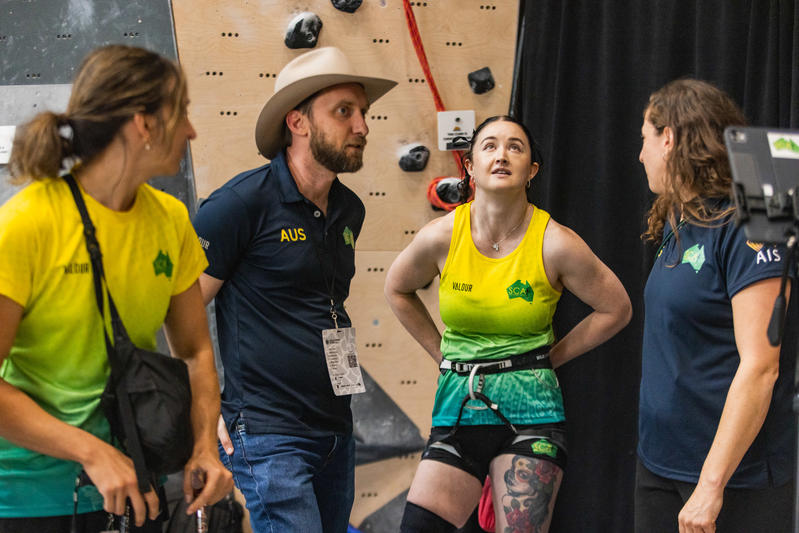
The Melbourne event will also debut a new set of international standard climbing holds purchased through a $20,000 Para Uplift PEEP grant, giving Australian athletes access to the same high performance equipment used on the World Cup circuit.
MacInnes said the investment would help close a long standing preparation gap.
“These holds are commonly used in international events and we haven’t had access to them in Australian climbing gyms,” he said. “They will give us a huge advantage going into future competitions with athletes learning how best to use these new shapes before they compete internationally.”
For Sport Climbing Australia CEO Beck Hamilton, the event reflects a sport intentionally building for inclusion and long-term growth, with competition structures that prioritise opportunity for all athletes.
“The Para National Cup and new National Cups across all disciplines of Sport Climbing being produced by SCA are a great example of the ASC Play Well and AIS Win Well strategies working together,” Hamilton said.
“Not all athletes will fit into a Paralympic classification; the simple solution, was to create an Open Para category to ensure they climb side by side with their fellow athletes on the same walls, in the same competition environment.
“We never know where the next Paralympian will come from, so it’s about creating new environments to welcome everyone. Everyone loves watching our Australian team, but I’mpleased to see the numbers growing and new athletes on the wall.”
Following the competition, athletes and coaches will remain in Melbourne for a national team training camp, with developing coaches also gaining experience working alongside Australia’s high performance Para program.
By Ashley Gillespie, Paralympics Australia.
Published 22 May, 2026.


"*" indicates required fields