

 Join AUS Squad


 Back To News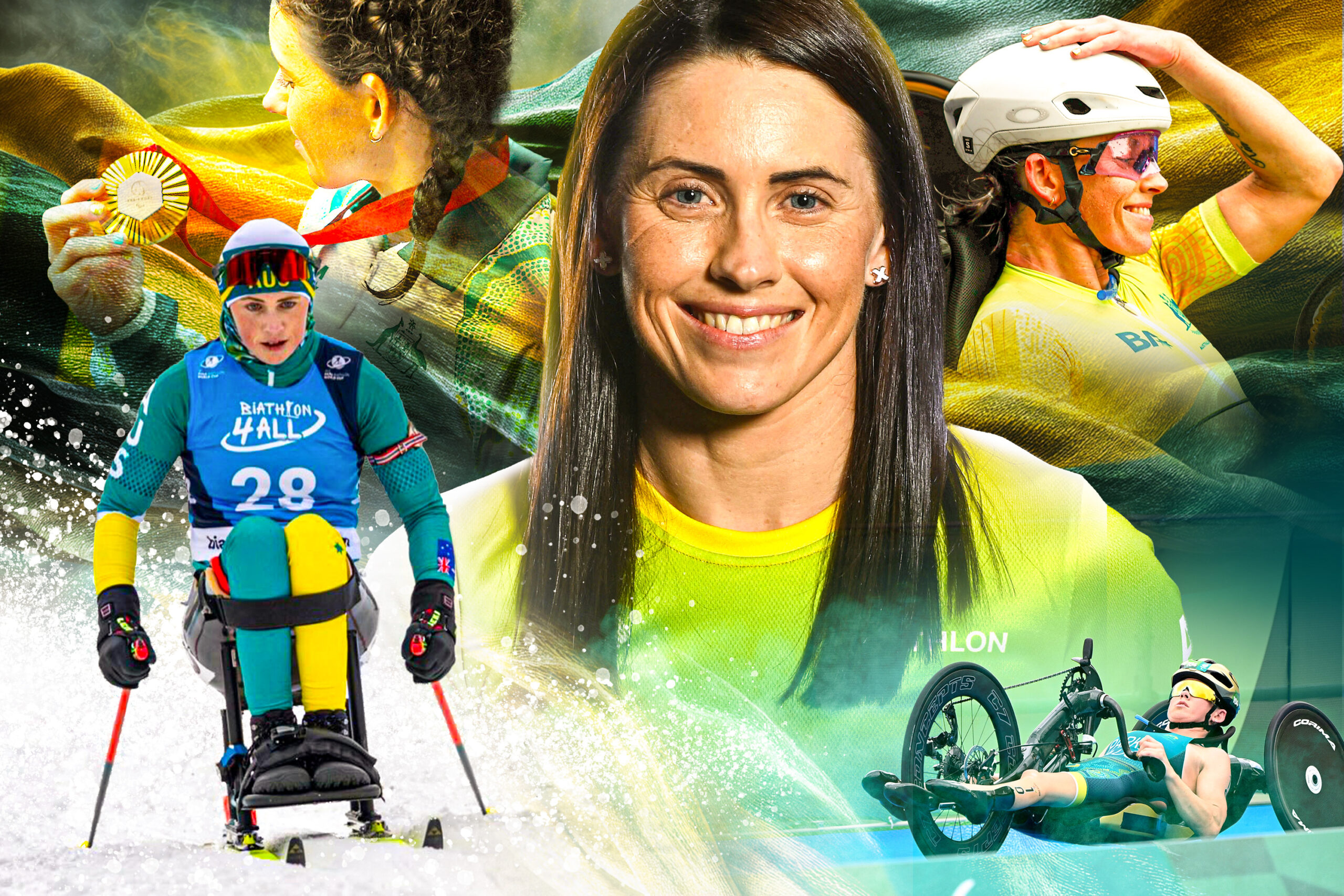
While millions of Australians were enjoying a sweltering festive season, some of the nation’s best winter sport exponents were competing on snowfields in Europe and North America, seeking qualification and potential selection to the Australian Paralympic Team for Milano Cortina 2026.
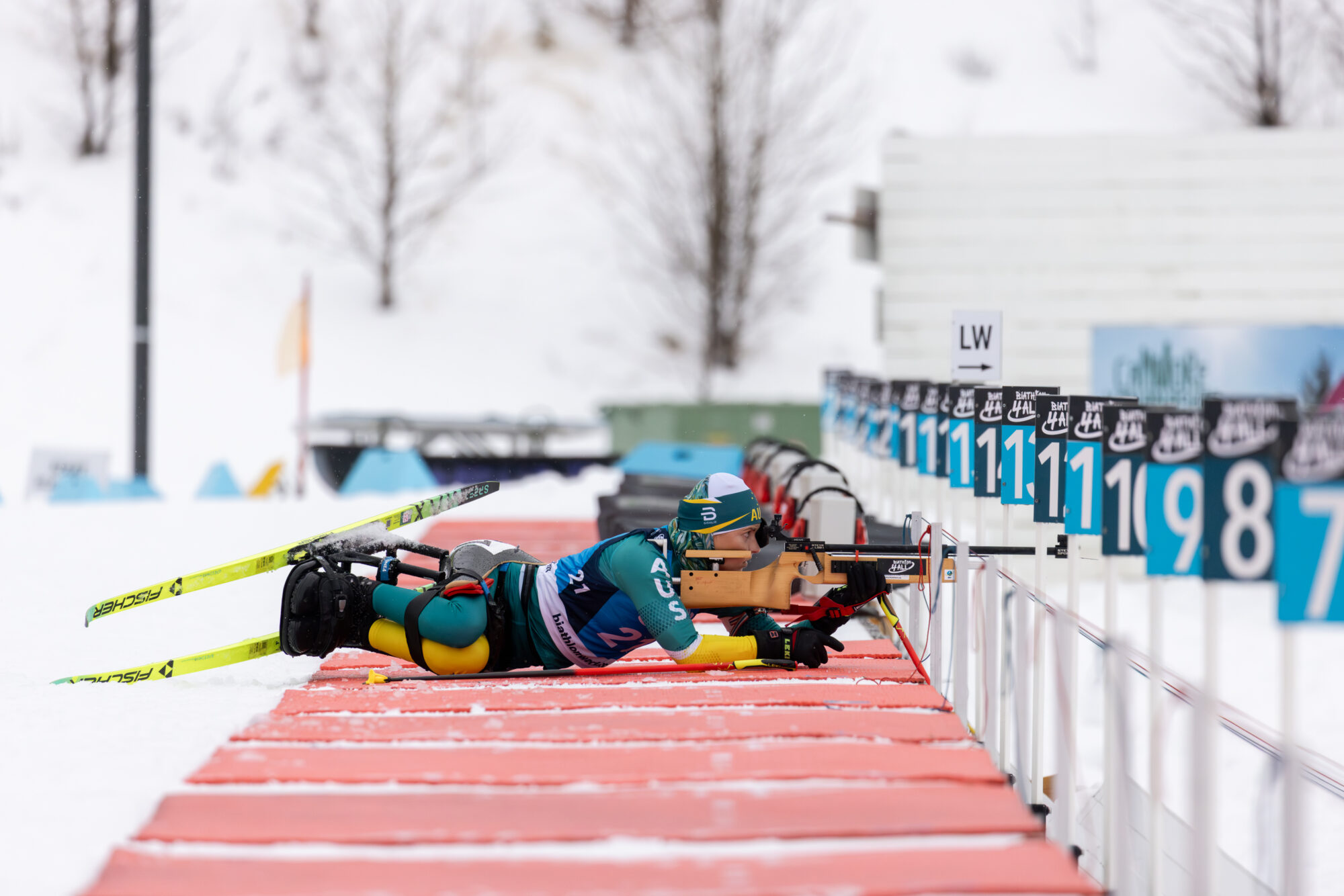
Among them was Lauren Parker, winner of two gold and a silver medal at the Paris 2024 Summer Paralympics and Australia’s reigning Paralympian of the Year. Parker has spent little time on snow but, by honing and transferring her exceptional skills in Para triathlon and Para cycling to Para biathlon and Para cross-country, she has put herself in genuine contention to become just the eighth Australian to compete at both the Summer and Winter Paralympic Games.
In this Q and A – with just 50 days to go until the Opening Ceremony of MICO 2026 – Parker reveals the challenges she overcame to achieve strong results recently at World Cup events in Canmore, Canada, the inspiration she’s gained from one of her great triathlon rivals and how she plans to tackle the final stretch before the Paralympics starts on March 6.
Congratulations on your encouraging results at Canmore. Were you pleased with your outcomes there?
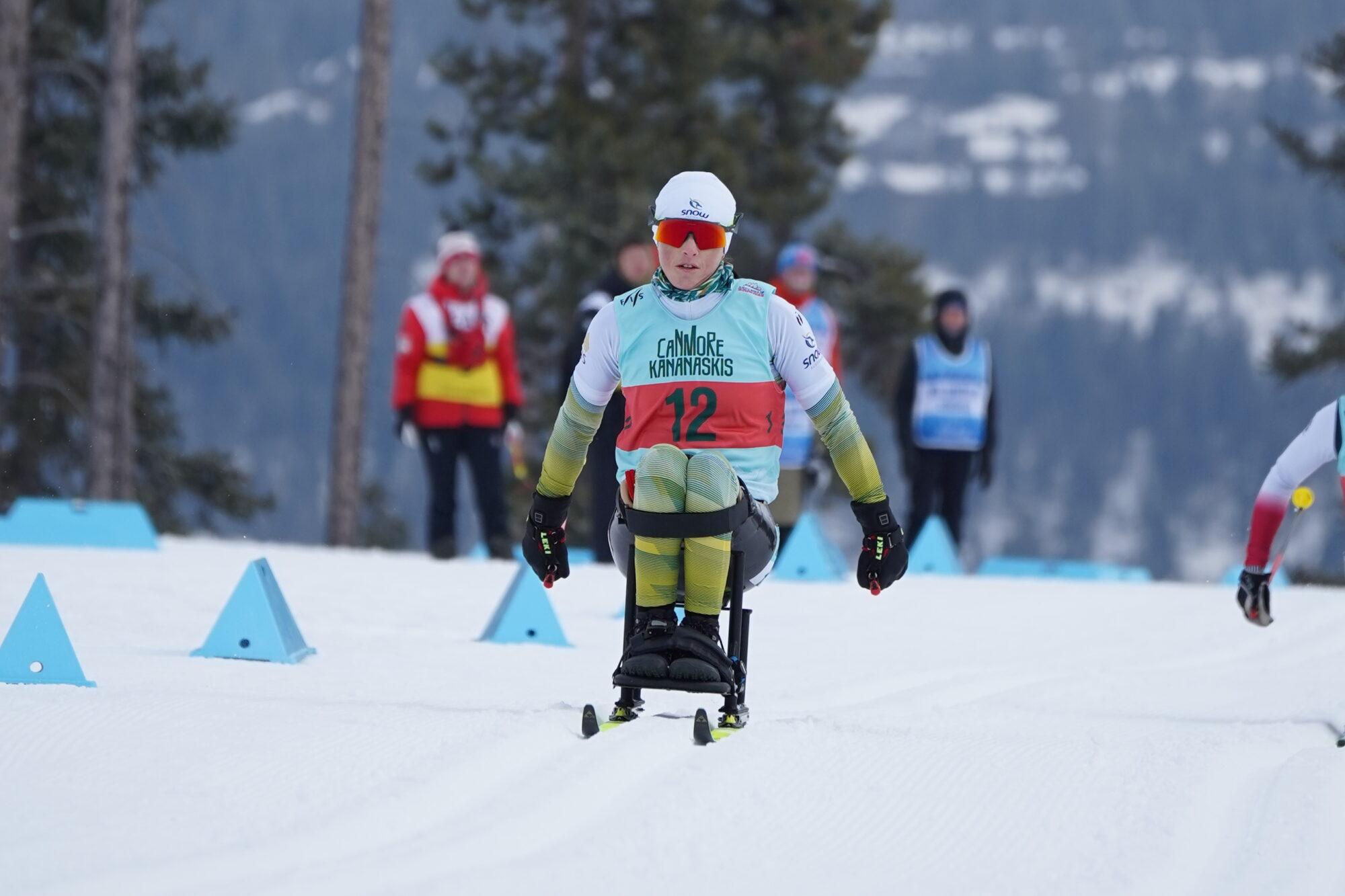
“I was so pleased with my results in Canmore at the World Cup events for cross country skiing and biathlon. I was there to do one job and that was to get enough points to put me in a good position to qualify for the Winter Paralympics and I think I did that.
“For my first ever competition with only six weeks in total on snow training ever in my life, I think I did pretty well. I’m a quick learner in terms of the skills and my fitness carries across from my other sports. I’m improving quickly.”
How did you go dealing with the extreme cold? How challenging was it to perform at such a high level in such unfamiliar conditions?
“I was quite worried about the extreme cold conditions because I suffer from severe Raynaud’s disease where the blood vessels to the fingers begin to narrow in cold and stressful conditions. Reduced blood flow to the fingers causes them to go white and blue and become painful and ache.
“It’s terrible but I managed it with heated gloves and hand warmers. My first time on snow was in July of 2025, so it was a huge adjustment.”
Has it been difficult adjusting to the differences between triathlon and cycling, and competing on snow? For instance, how much work have you put into adjusting from rotational arm propulsion to much straighter arm propulsion? Also, the feeling of sliding sidewards on snow, compared to moving on hard ground?
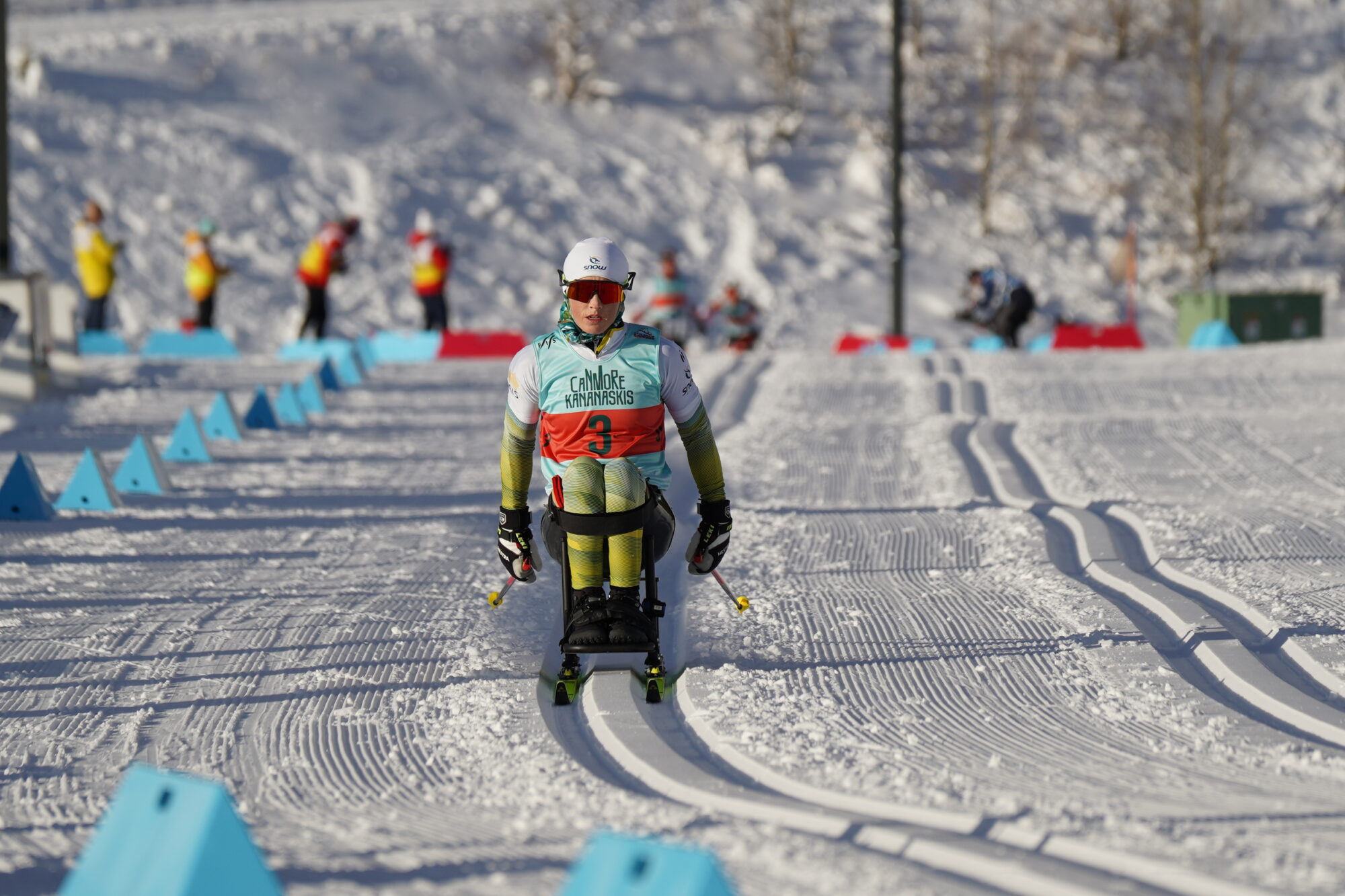
“The adjustment going from triathlon and cycling to being on snow has been difficult but also an easy transition at the same time. I say easy because my fitness from triathlon and cycling carries through to skiing.
“The skills on snow have been difficult to learn though. It’s very different to cycling on a road. The snow is slippery and there are no brakes, so when you are going downhill with no brakes you really need to learn the skills to be able to manoeuvre the sit ski to go around bends and corners.
“This is the hardest part for me with my level of spinal cord injury. Already I don’t have a lot of stability and the sit ski that I sit in doesn’t have great stability either, so I’ve have had to learn what body position is best for different snow conditions.
“There is a lot to it, but I work hard.”
One of your great rivals in triathlon, Kendall Gretsch from the US, is making strong strides in Para Nordic sports. Is Kendall’s progress helping to inspire your efforts in snow sports? What does it say about the skills and qualities necessary to transition from triathlon to cross country skiing/biathlon?
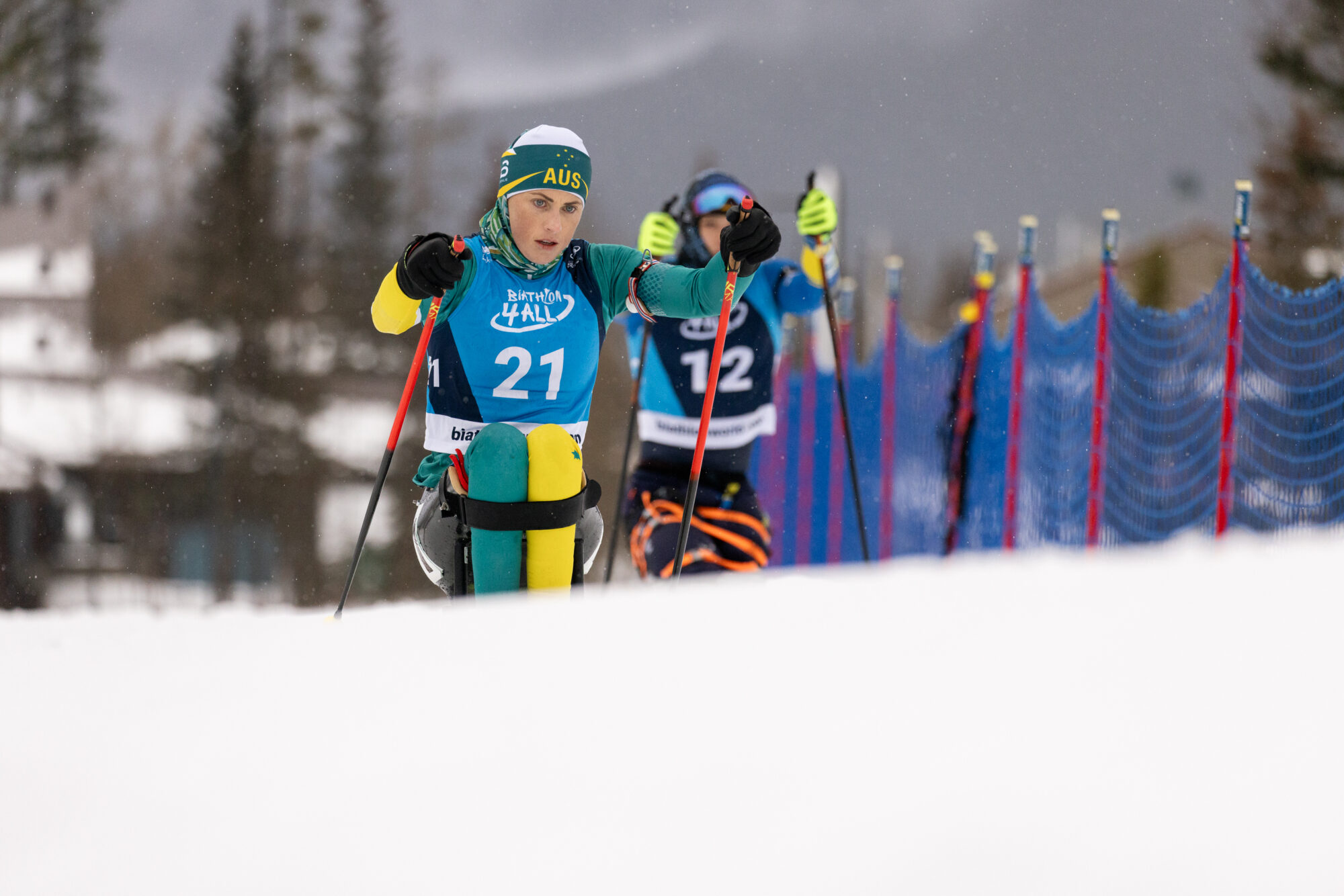
“Kendall has been so amazing and supportive of me starting snow sports. She has helped me quite a lot and she does inspire me. I hope that in four years’ time I will be in medal contention with her at the next Winter Paralympics in 2030. And, you never know, maybe Milano Cortino too after a training camp on snow in Austria in February.
“Kendall’s skills on snow are amazing with her years of experience and I hope one day I can be like her too. She is in a different class than me though, as she has more physical ability as opposed to my level of spinal cord injury being in the lower class.”
What’s coming up for you in the weeks leading into potential qualification and selection for MICO?
“I go to Austria on the 10th of February for a training camp on snow. I will also be taking my bike and swim gear to keep training for cycling and triathlon as well, as that training helps my fitness on snow significantly.
“I will have my bike set up in my apartment to do sessions after my ski training. I will also be training for biathlon and will have sessions with the air rifle as well for target shooting.
“From there I will hopefully be on my way to Italy to compete at the Winter Paralympics upon qualification. Fingers crossed.”
By: David Sygall, Paralympics Australia
Image credit: FIS and @redmegmedia
Published: 15 January 2026


