

 Join AUS Squad


 Back To News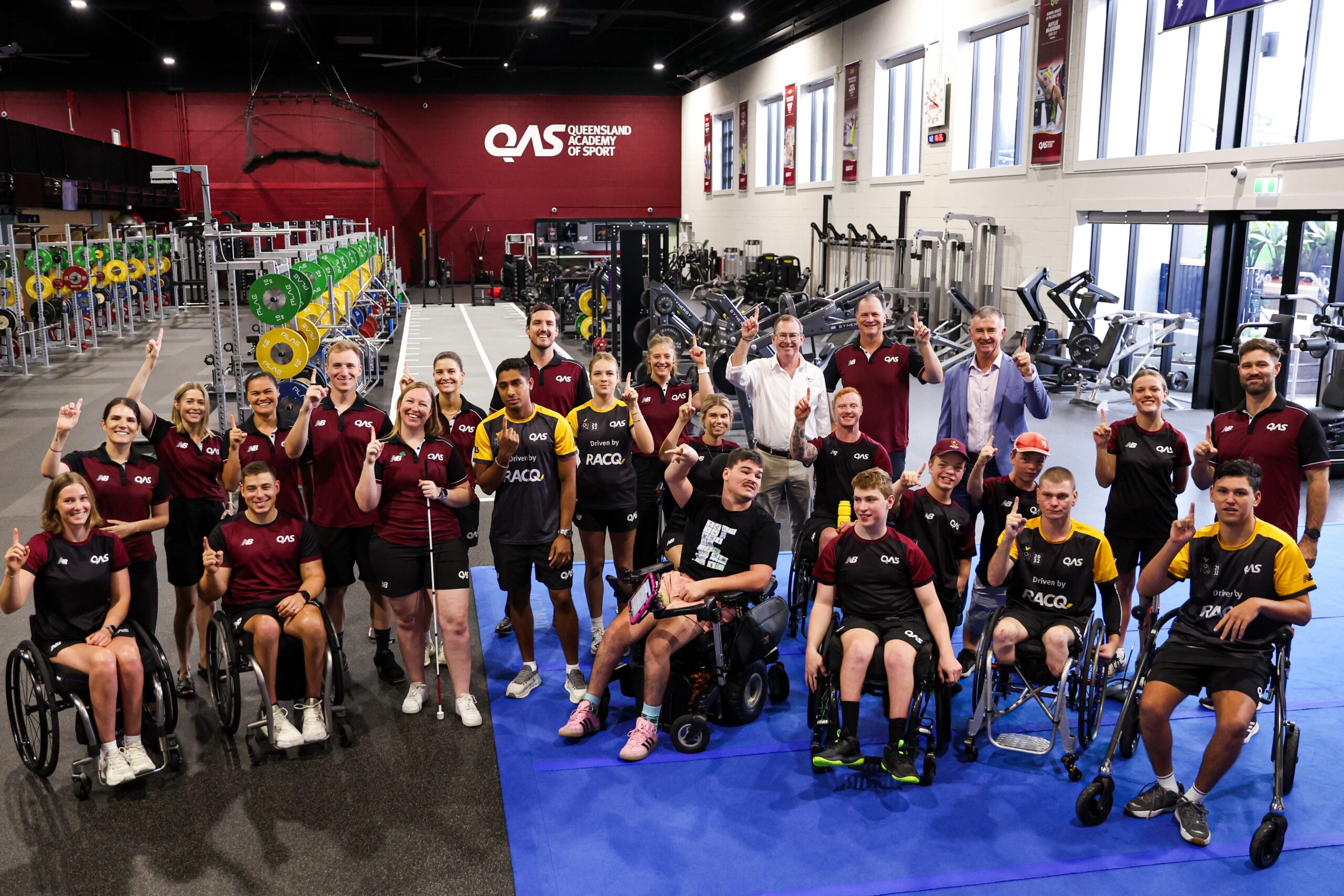
From comebacks after life-altering events to discovering sport for the very first time, the Queensland Academy of Sport’s (QAS) Para Unit is uncovering inspiring stories and forging the next generation of Paralympians.
Celebrating it’s one-year anniversary today, the QAS Para Unit has already identified and supported 42 athletes across 17 sports, with 22 competing nationally and eight internationally.
Among them are two Paralympians and Milano Cortina hopeful, Para alpine skier Georgia Gunew.
With the ambitious aim to double Queensland’s Paralympic talent pipeline, QAS CEO Troy Ayres said the true success of the QAS Para Unit isn’t just measured in numbers, but in the life-changing stories emerging from the system.
“What’s been incredibly powerful is seeing how quickly lives can change when the right support is around an athlete,” Mr Ayres said.
“We’re working with people who’ve been born with a disability, experienced life-changing events and are now channelling that resilience into sport, as well as those who never saw themselves as athletes until now.
“For some, the QAS Para Unit is about a comeback and for others, it’s their very first opportunity to step into the sporting arena. We’re building confidence, purpose, and pathways with our sights firmly on LA 2028 and Brisbane 2032.”
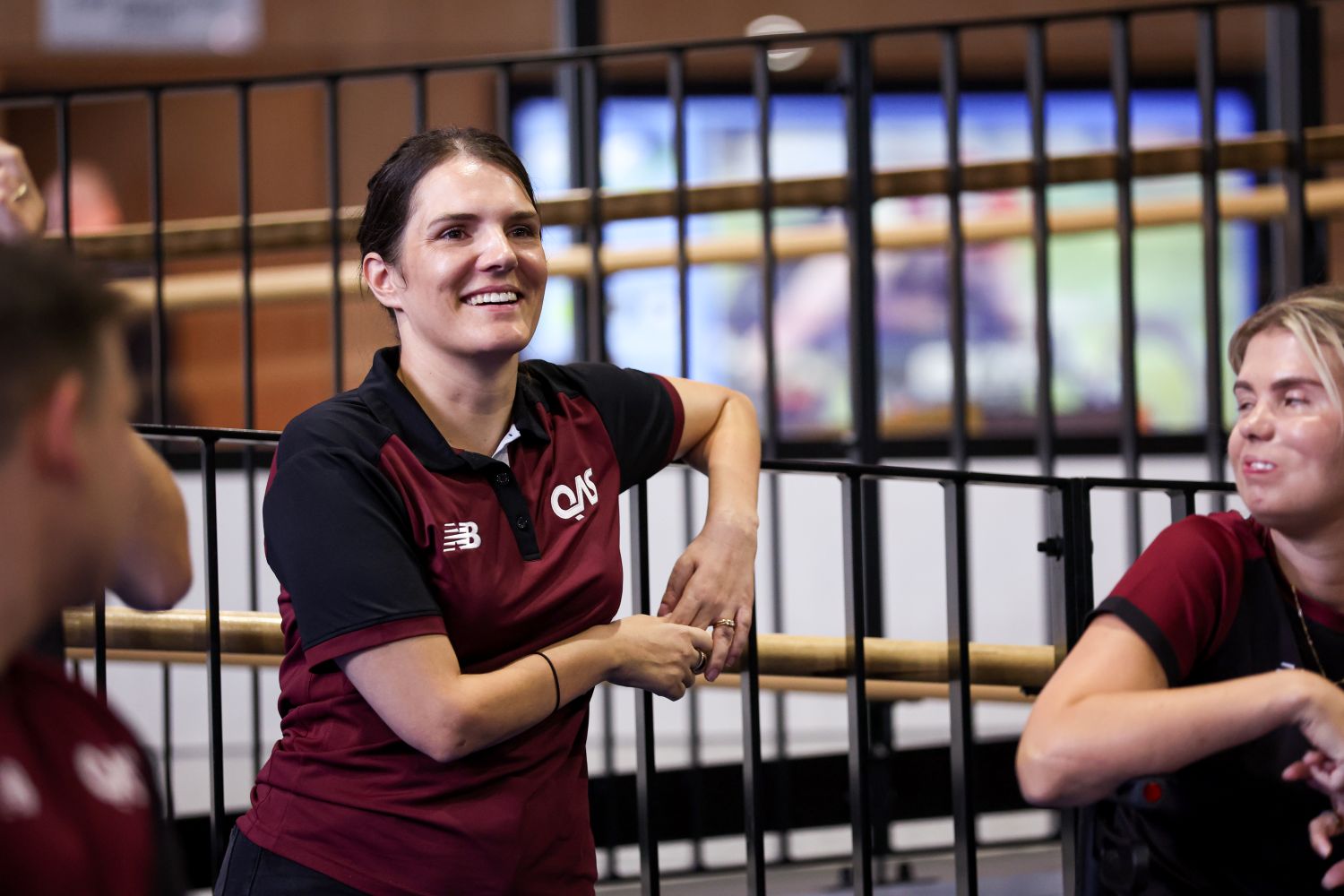
Brisbane teenager Jaida Burgoyne, inspired by her school teacher and Paralympian Ella Sabljak, seized her opportunity at a YouFor2032 testing event and has now been inducted into the QAS Para Unit.
“To be a female role model for Jaida, having taught her at school and now inspiring her in sport, is amazing,” said Sabljak, who is also a QAS Board Member.
“The QAS Para Unit creates a space where athletes feel seen, supported, and empowered to chase goals they may never have imagined. That belief can be the difference between someone giving sport a try or never stepping onto the start line at all.”
The QAS Para Unit is part of the national Para Uplift, which is being led by Australian Institute of Sport in partnership with national sporting organisations, Paralympics Australia and National Institute Network and has established a Para Sport Unit in every state and territory.
Federal Minister for Sport Anika Wells said the Australian Government support more Para athletes than ever before.
“We have delivered a record $54.9 million in additional Para sport funding, doubling the existing support,” Minister Wells said.
“In addition to the incredible work being done into Queensland through the QAS, the record investment has made a real difference to Para athletes across the country.
“The 8 new Para Sport Units are now supporting 150 new Para athletes, while the AIS and Paralympics Australia have delivered funding boosts to more than 100 current and former Paralympians.
“We are not only creating opportunities for athletes to represent our country with pride in the Brisbane 2032 Games but also creating a legacy to reshape how all Australians look at disability in this country.”
Minister for Sport and Racing and Minister for the Olympic and Paralympic Games, Tim Mander, said the Para Unit’s progress shows Queensland’s status as the gold standard for Para sport.
“We want Queensland to be a world leader in Para sport, and we are proud of the success that the QAS have achieved in just one year,” Minister Mander said.
“There are more than 160 known systemic obstacles preventing Para athletes from entering or progressing through high-performance sport, barriers that the Para Unit is breaking down through innovation and clear pathways.
“We’re already seeing success stories from Para unit athletes such as Tom Walvin in the Australian Road Championships or Paralympic Winter Team hopeful Georgia Gunew representing what is possible for our Para athletes.
“We want the 2032 Paralympic Games to inspire the next generation of sporting stars, showing young people of all abilities that resilience, teamwork and ambition can take them further than they ever imagined.”
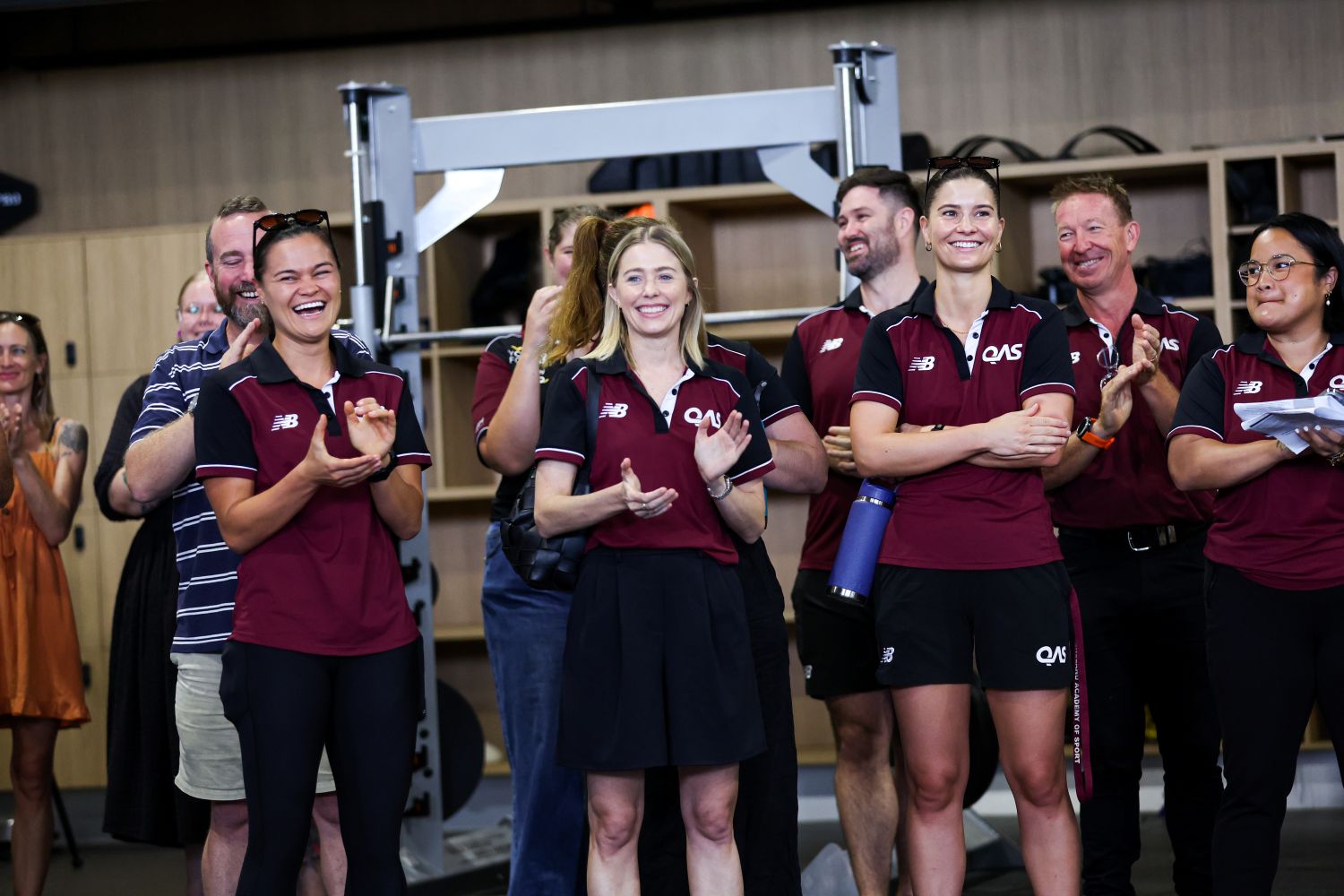
Cameron Murray, CEO of Paralympics Australia, said the QAS Para Unit is redefining how Para sport talent is identified and nurtured in Queensland.
“The progress of the QAS Para Unit has been groundbreaking for Queensland and for Paralympic sport nationally,” Mr Murray said.
“In just one year, it has transformed how athletes with a disability are identified, supported and developed, setting a new benchmark for how an inclusive high performance sport system can look.
“On behalf of Paralympics Australia, congratulations to Troy Ayres and his team at the QAS for their leadership and commitment to creating environments where athletes can pursue opportunity and excellence.
“This progress has been made possible through the strong backing of Federal Minister for Sport Anika Wells, along with Minister Mander and the Queensland Government, and the Australian Sports Commission, all of whom are helping to build meaningful pathways and a bright future for Paralympic sport in Australia.”
In Australia, Para athletes face more than 160 known systemic barriers to high-performance sport, from limited access to classification and specialist coaching, to the costs and logistics of traveling to major competitions. The QAS Para Unit is designed to tackle those challenges head-on.
The QAS currently supports 103 Para athletes, with the QAS Para Unit aiming to more than double numbers by 2029, ensuring Queensland is not only ready for Brisbane 2032 but remains competitive long after the Games are over.
Delivered in partnership with the Australian Institute of Sport and Paralympics Australia, the QAS Para Unit is strengthening talent identification, overhauling participation pathways, and fast-tracking the development of world-class Para-sport coaches.
Key initiatives include:
- Multi-sport Para Development Program, supporting up to 60 athletes at a time with coaching and performance services.
- YouFor2032 Talent Search, driven by RACQ, giving aspiring athletes across Queensland the chance to test through the YouFor2032 App and attend face-to-face Para testing events.
- Gen2032 Para Coaching Program, building a pipeline of specialised Para-sport coaches across the state.
- Community partnerships, working with disability, allied health and education sectors to identify future Para-athletes earlier and closer to home.
By: QAS Media
Published: 7 February 2026


