

 Join AUS Squad


 Back To News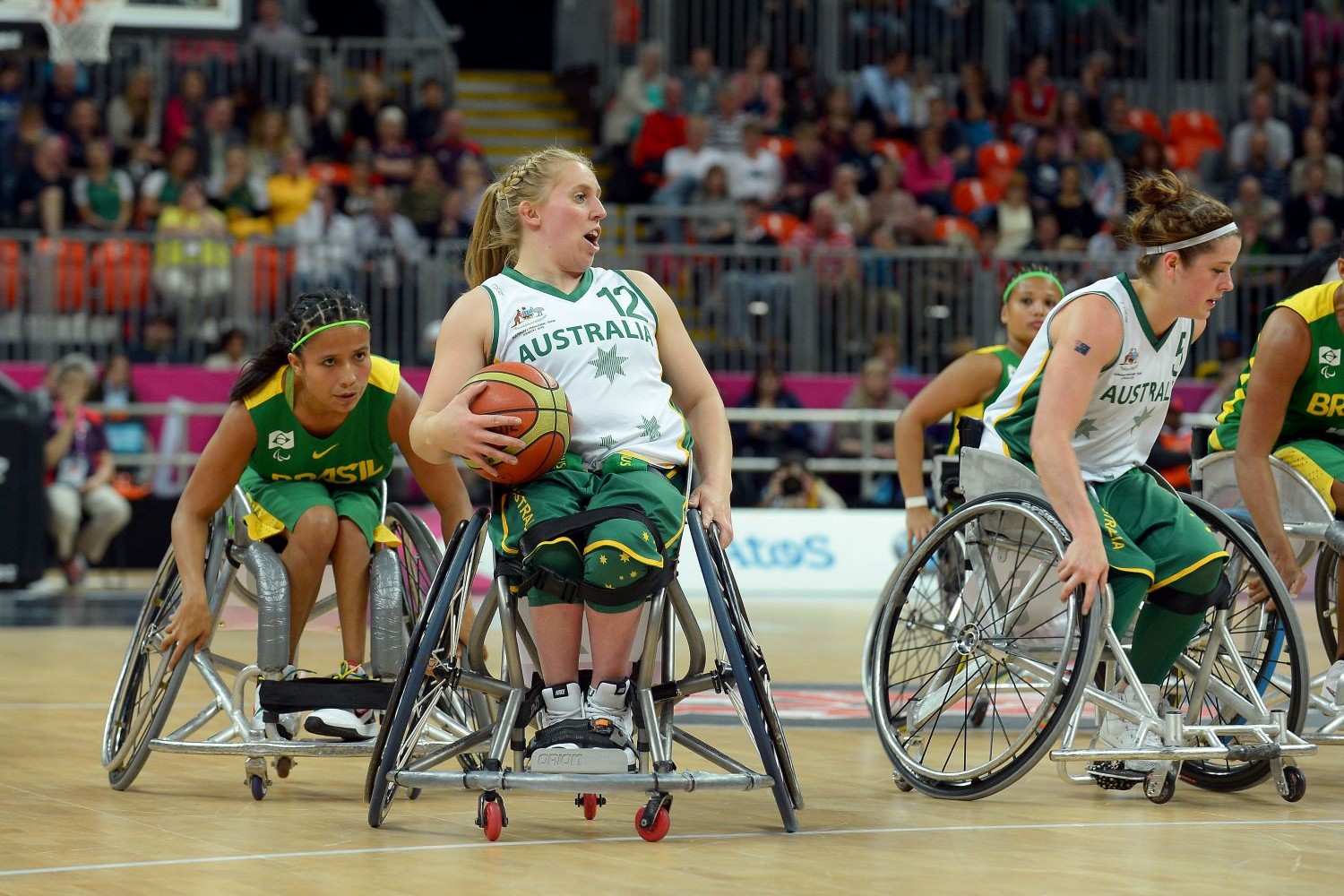
Its acronym is ‘PEEP’, yet it offers much more than a cursory glimpse into the future of Australian Para-sport.
The PEEP – or Para Sport Equipment Enhancement Program – has allocated more than $1.6 million this year already in equipment grants to individuals and sport programs, tackling one of the key findings in research undertaken in the Understanding Barriers to Entry and Progression in the High-Performance Pathways for Para Athletes report. Putting findings in the Barriers report into action is a powerful collaboration between the Australian Sports Commission and Paralympics Australia as part of Horizon 1 of the national HP2032+ Sport Strategy.
After a successful roll-out, and with continued strong support from the Australian Sports Commission, PEEP is now moving to monthly funding rounds. Paralympics Australia is inviting Para-athletes, sporting clubs, associations and community programs that deliver Para-sport programs throughout the pathway and may benefit from the program to apply for support.
“Many athletes and programs that were awarded grants in Round 1 have already received their equipment, with others in the process of ordering, delivery or manufacturing,” said Liam Wood, Paralympics Australia’s Para Sport Equipment Enhancement Manager.
“The State Institutes and Academies of Sport Para Sport Units are scheduled to receive bulk sport wheelchair orders, predominantly for use in Para-athletics, wheelchair basketball and wheelchair rugby, among other sports, by the end of this year, which will significantly expand their capacity and ability to fast-track the development of Para-athletes within the Units.
“Ultimately, the PEEP is targeted to address gaps in equipment across the breadth of the Para-sport pathway. It’s designed to enable more athletes to enter and progress in Para-sport.
“This is a system-wide approach to maximise economies of scale. Significant investment from the Australian Sports Commission as part of the Para Uplift, with support from Paralympics Australia partners such as Toyota and philanthropic contributions, ensures equipment needs are being addressed throughout the pathway, from participation to high performance.”
Among the successful applicants in Round 1 of the current program investment were potential Milano Cortina Paralympics Para-biathlete David Miln, who received a grant towards a custom competition sit-ski, Paris 2024 Paralympics wheelchair racer Sam Rizzo, who received funding for wheelchair maintenance and new wheels, and Gliders wheelchair basketball players Leanne Del Toso and Shelley Matheson, who were granted funding from Toyota to purchase six wheelchairs for the delivery of the PlayOn wheelchair basketball program.
Also among the long list of equipment subsidies provided by the program in Round 1 were Para-archery equipment, Para-canoes and outriggers, custom sport prostheses and a custom saddle for use in Para-equestrian, a Para-table tennis wheelchair, wheelchair tennis wheels and equipment and clothing for Para-fencing.
Matheson, who won silver with the Gliders at the 2004 and 2012 Paralympics and bronze in 2008, said the PEEP grant would allow more people to join PlayOn, a program she and Del Toso started to increase participation in wheelchair basketball among women.
“Critical to a person’s experience of Para-sport is getting the right equipment,” Matheson said.
“Prior to this grant we’ve relied on people donating their old wheelchair basketball chairs, but we’ll now have competition-quality chairs which will enhance the experience of women and girls trying wheelchair basketball for the first time.
“Because of this grant we can expand our program and have more women and girls getting involved in wheelchair basketball.”
Paralympics Australia has had an equipment fund in place since 2018; however, the PEEP builds on previous editions in size, scope and efficiency. This includes refined application and review processes to reduce administrative burden on applicants and ensuring better tracking of Para-specific equipment in the system to maximise access, use and efficiency of resources and funding.
With the rollout of new state-based Para Sport Units, consultation across the performance pathway identified an urgent need to increase the availability of sport wheelchairs for use in Para-athletics, wheelchair basketball and wheelchair rugby, as well as multi-sport-use wheelchairs. That aside, the strongest consideration is given to applicants who clearly identify equipment-related barriers to participation or progression.
Strengthening access to necessary equipment has broad and interconnected intentions, Wood said.
“At community level, the aim is to remove equipment as a barrier to participation,” he said.
“For the performance pathway, the program seeks to ensure athletes’ progression is not hindered by equipment limitations, ultimately supporting both increased participation and high-performance success.”
More info: Para Sport Equipment Enhancement Program
By: David Sygall, Paralympics Australia
Published: 17 September 2025


