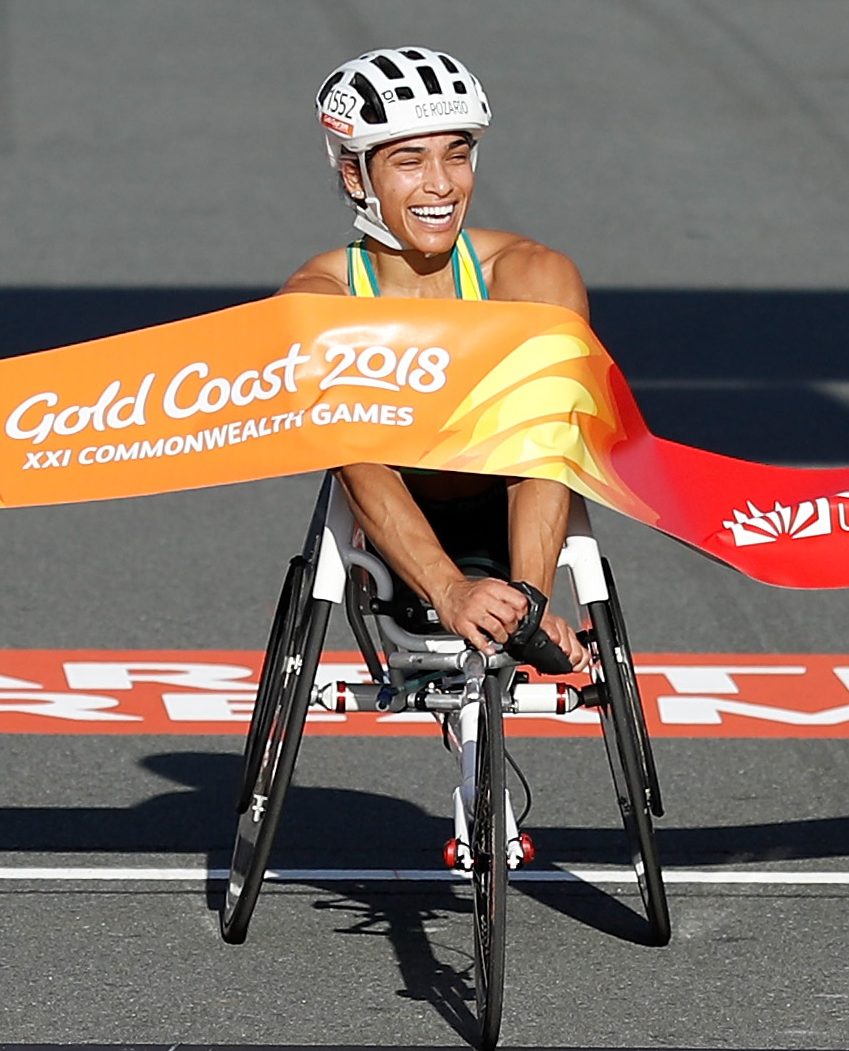
Athletics Australia (AA) is pleased to announce additional investment in high performance para-athletics from the Australian Sports Commission (ASC), Australian Institute of Sport (AIS), additional resources allocated from AA, and a strengthened partnership with Australian Paralympic Committee (APC).
With the vision to become a leading nation in para-athletics, AA will use this additional funding to build its high performance program, enabling and empowering all people aspiring to be Paralympian’s to see athletics as an inclusive, accessible and encouraging sport.
“The AIS is pleased to recognise the outstanding work by the Paralympic program at Athletics Australia”, says AIS Director Peter Conde, “and we are excited to support their strong performance case for further investment clearly targeted at Tokyo podium performances and coach development.”
APC Chief Executive Officer Lynne Anderson commended the AIS for recognising that additional funding for Athletics Australia’s Para-athletics programs is an additional investment in the success of Australian Paralympic sport.
“Athletics has delivered more Paralympic medals for Australia than any other sport,” says Lynne Anderson, “and we are proud to support Athletics Australia to ensure that record will be enhanced further in Tokyo 2020 and beyond. Historically, a strong Para-athletics team provides a strong foundation for the entire Australian Paralympic Team.”
AIS’ investment and support will specifically be used by AA to fund improved facilities such as altitude and warm weather camps, new equipment, as well as athlete access to the combined AIS/ACTAS daily training environment in Canberra.
A key initiative within the proposal is the appointment of Sebastian Kuzminski in the newly created role of High Performance Coach in Sprints/Jumps, based in Canberra. The role will focus on servicing athletes in AA’s Paralympic Preparation Program in the lead up to the 2020 Tokyo Paralympics, to enhance the prospects of medal success. AA Senior Coach, Iryna Dvoskina, will take up a mentoring position attached to the role and assist with fostering further learnings from the AA HP Coaching Project.
“AA would like to thank the AIS for investing in this project and for its significant ongoing investment into Athletics Australia’s High Performance Program,” says AA CEO Darren Gocher. “It is a very exciting time for Para-athletics, and AA strongly believes Australia can be one of the leading Para-athletics nations by Tokyo 2020.”
To further ensure this goal becomes a reality, AA is relaunching its Australian Athletics Foundation later this year, which will see a scholarship-based program implemented to support both para and able-bodied athletes. Furthermore, the scholarship program will be equally targeted towards elite and development athletes, with an independent panel objectively picked to disperse scholarship funds.
By Athletics Australia
Posted: 29/6/2018


"*" indicates required fields