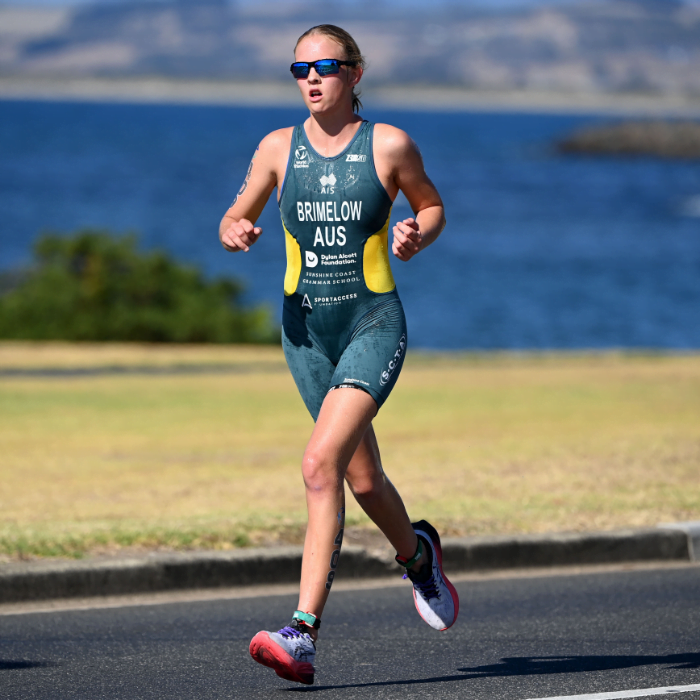
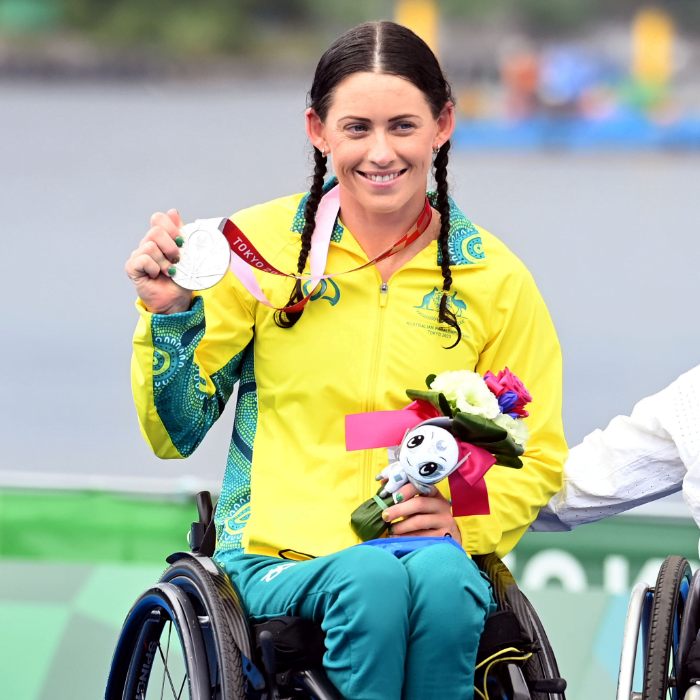
Para Triathlon events are for athletes with physical and visual impairments.
Sprint Distance Triathlon:
• 750m swim
• 20km bike
• 5km run

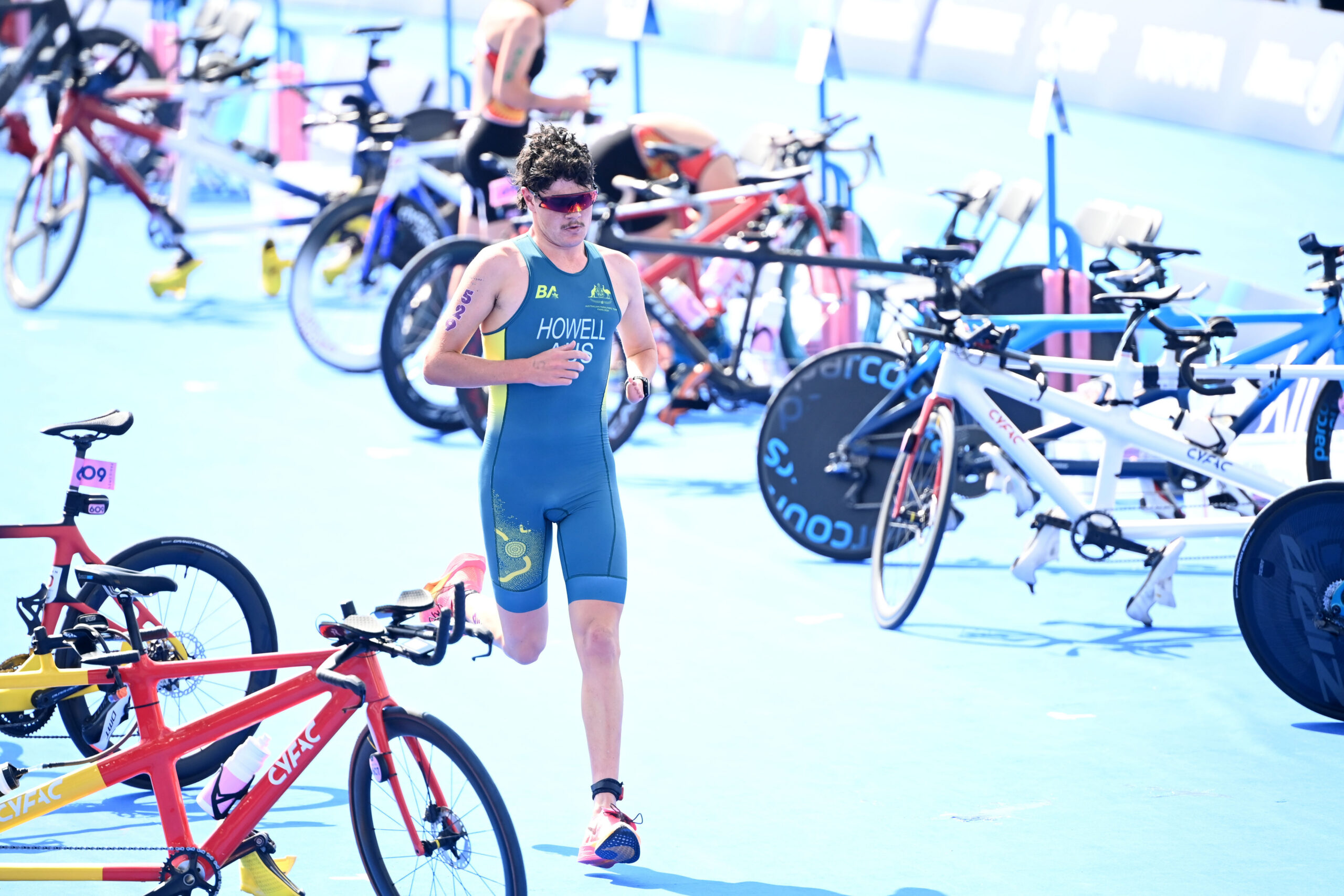

Para Triathlon events are for athletes with physical and visual impairments.
Sprint Distance Triathlon:
• 750m swim
• 20km bike
• 5km run
Para Triathlon is open to athletes with a physical or vision impairment. Athletes are required to submit medical reports and meet the minimum impairment criteria in order to compete. Eligibility is determined by trained Classifiers.
For more information on Eligible Impairments and Classification please see the Para triathlon Information Sheet (PDF) – updated August 2024.
Rules and equipment for athletes depend on their classification.
Para Triathlon made its first appearance at the Paralympic Games at the 2016 Rio Games.
Para Triathlon is open to athletes with a physical or vision impairment. In Para triathlon, athletes race over three disciplines: 750 metres of swimming, followed by 20 kilometres of cycling and 5 kilometres of running. Depending on an athlete’s classification, she or he may use a handcycle and a track chair, a tandem bike and sighted guide or standard equipment. Some athletes may require the use of leg or arm prostheses, however adaptive equipment is not permitted during the swim.
For more information on Para triathlon Eligibility and How to Get Involved please see the Para triathlon Information Sheet (PDF) – updated February 2026.
| Games | Total | |||
|---|---|---|---|---|
| PARIS 2024 | 1 | 0 | 0 | 1 |
| TOKYO 2020 | 0 | 1 | 0 | 1 |
| RIO DE JANEIRO 2016 | 1 | 0 | 0 | 1 |
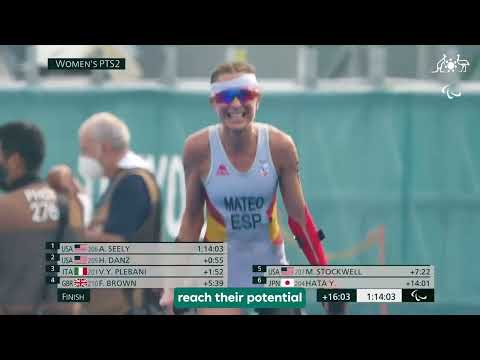
We encourage those wishing to explore Para-triathlon to contact their state federation in the first instance. The national federation link below provides information on the national high performance program leading to competing internationally and at the Paralympic Games.
| National Federation | |
|---|---|
| Organisation | Website |
| AusTriathlon | https://www.triathlon.org.au/para-triathlon |
| State Federations | |
| Organisation | Website |
| ACT Triathlon | www.triathlon.org.au/act/ |
| NSW Triathlon | www.triathlon.org.au/nsw/ |
| NT Triathlon | www.triathlon.org.au/nt/ |
| QLD Triathlon | www.triathlon.org.au/qld/ |
| SA Triathlon | www.triathlon.org.au/sa/ |
| TAS Triathlon | www.triathlon.org.au/tas/ |
| VIC Triathlon | www.triathlon.org.au/vic/ |
| WA Triathlon | www.triathlon.org.au/wa/ |

"*" indicates required fields