THE START LINE
Your Para Sport Journey
Begins Here


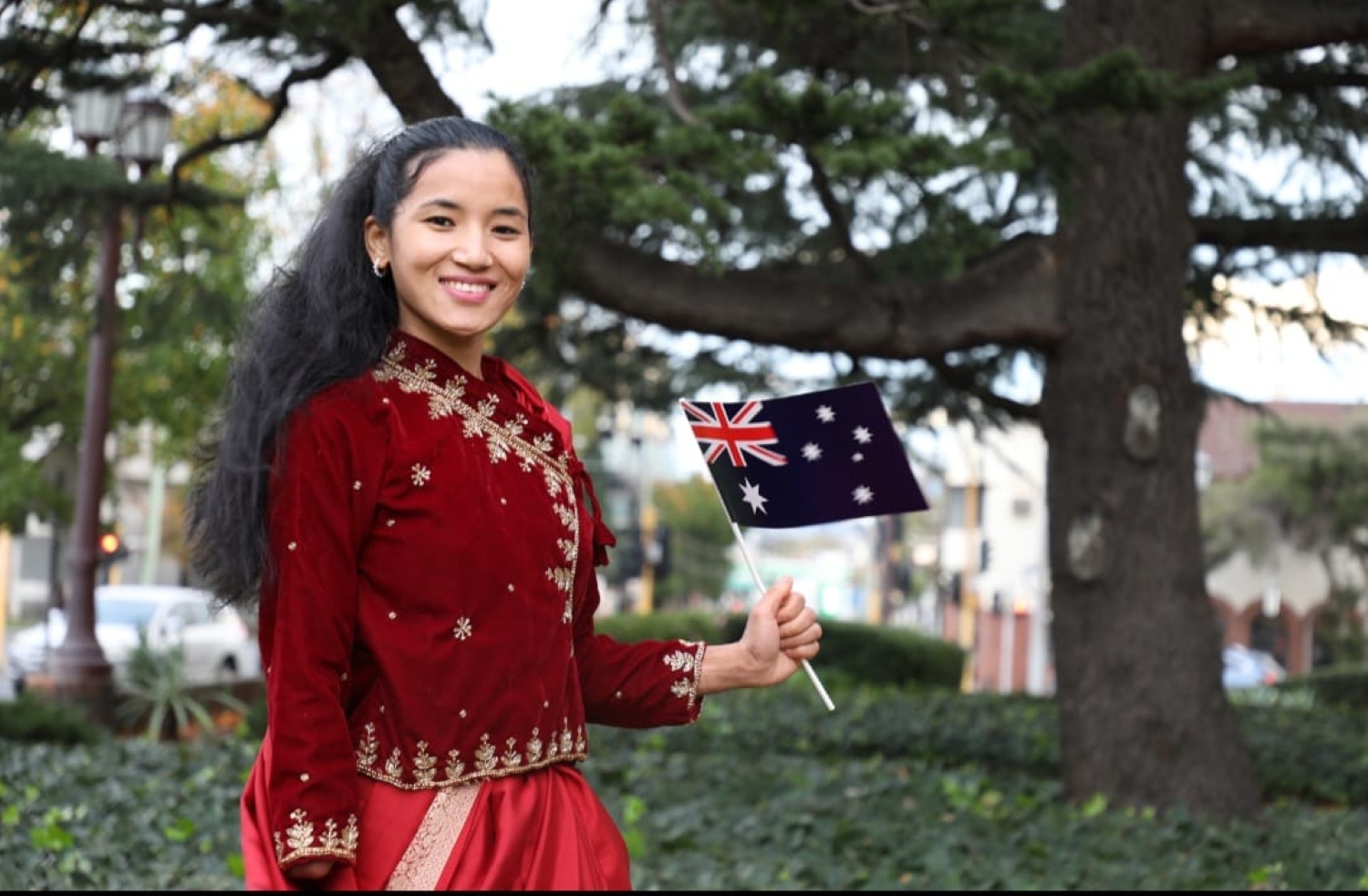
Australia’s best Para taekwondo athlete spent much of her childhood crushing stones into gravel for sale so her family could eat.
She lost her right hand in a fire and faced humiliation because of her disability, leading to isolation from the society around her.
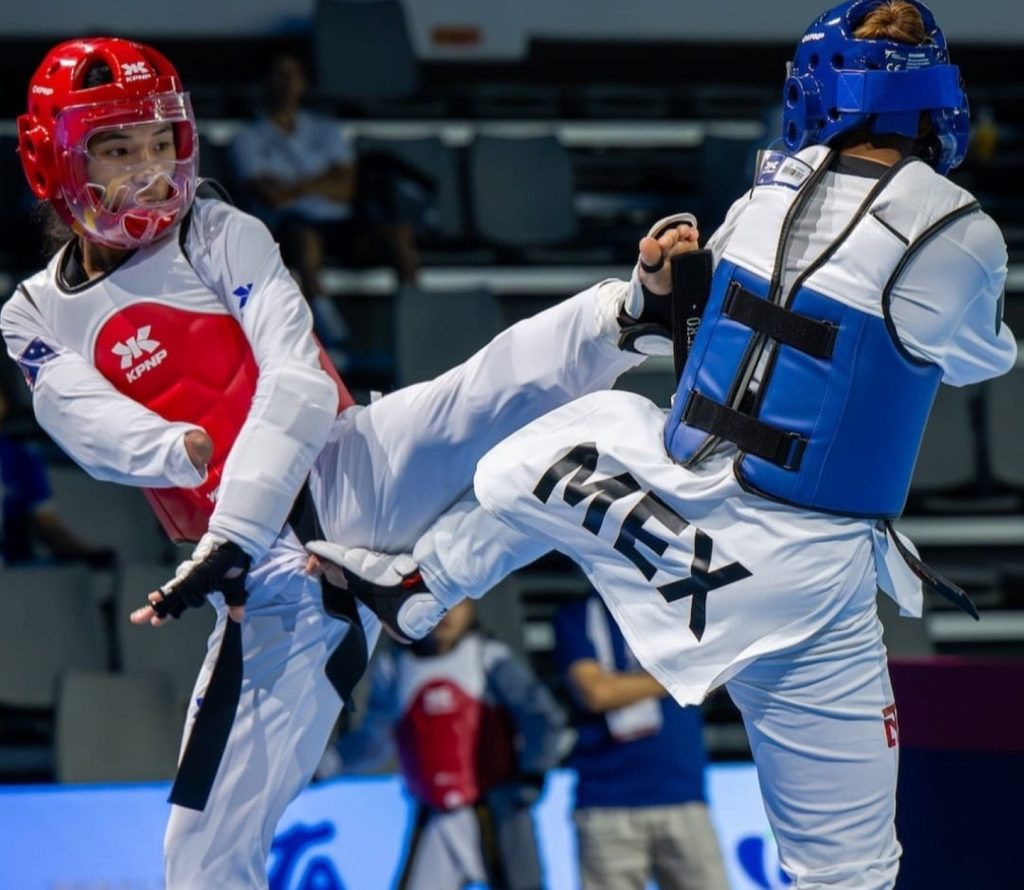
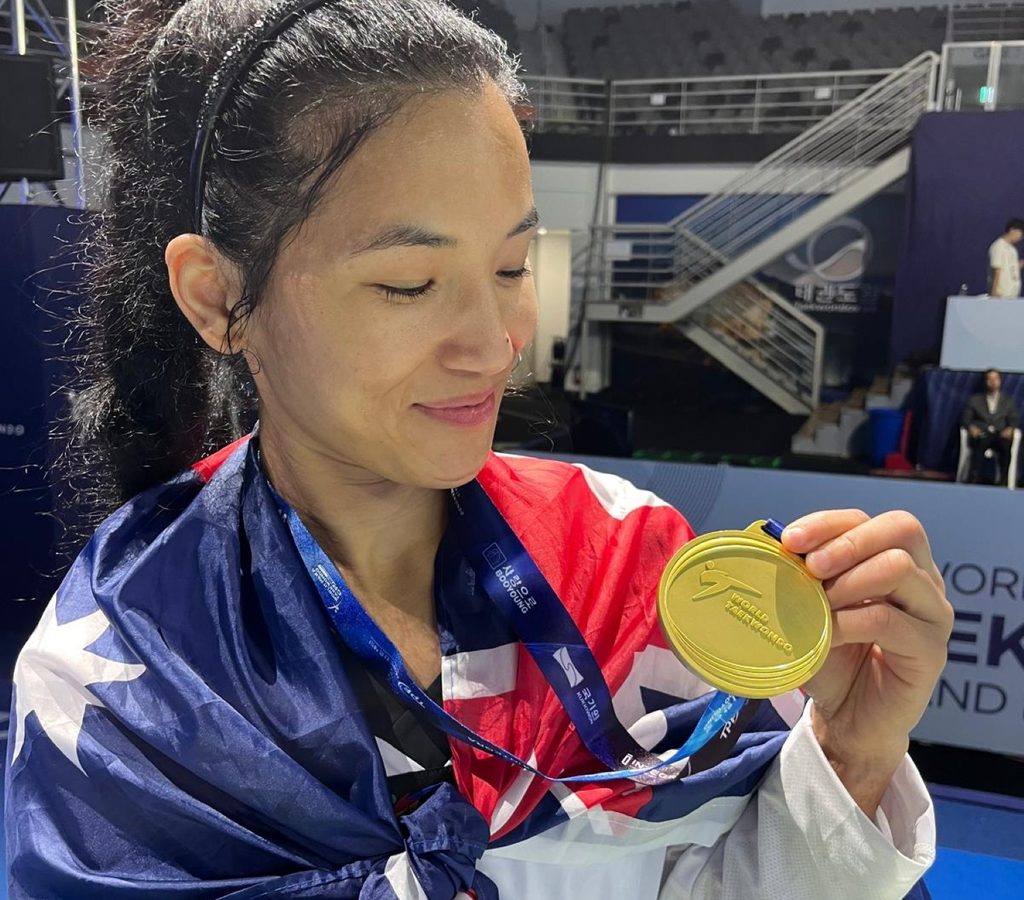
Now, Shrijana Ghising – who became an Australian citizen in June – is set to represent her adopted home at the World Para Taekwondo Championships in Korea. It’s the next part of fulfilling the dream she said she shares with her life partner.
“Taekwondo has given me a name, identity and respect,” she said. “Today, many people around the world know me as Shrijana Ghising, a Para taekwondo athlete. This makes me incredibly happy and proud.”
Paralympics Australia: You’ve been living in Australia since 2023 and have been a citizen since June 2026. How did it feel to become a citizen of Australia and be able to represent your new home country?
Shrijana Ghising: I felt extremely proud and happy to become an Australian citizen in 2026. Although Australia is not my birthplace, it has become my home and the country where I have built my life.
After my birth country, Nepal, becoming a citizen of another country, Australia, and having the opportunity to represent my new country at the international level is a great honour and privilege for me. I consider myself very fortunate.
Australia has given me new opportunities, respect and an environment where I can showcase my talents. That is why I always feel proud when I carry the Australian flag and represent my country. For me, becoming an Australian citizen is not just about receiving citizenship. It represents a new identity, new opportunities and the beginning of new dreams.
PA: I saw a quote that said you “used to break stones for a living before joining Para taekwondo” in Nepal. What was this in reference to?
SG: Yes, when my father remarried and separated from our family to live with his second wife, my mother, brothers, sisters and I were left to manage life on our own. After that, our family’s financial situation became extremely difficult.
We often worried about what we would eat in the evening after having breakfast, or what we would eat the next morning after dinner. We had no stable income or regular employment.
My mother used to work at construction sites, breaking stones and crushing rocks to make gravel. From a very young age, I also went with her and helped with this work. Sometimes I crushed stones, sometimes I carried materials, and sometimes I did other labouring jobs to help our family survive. The little money we earned from this work was used to meet our family’s basic daily needs.
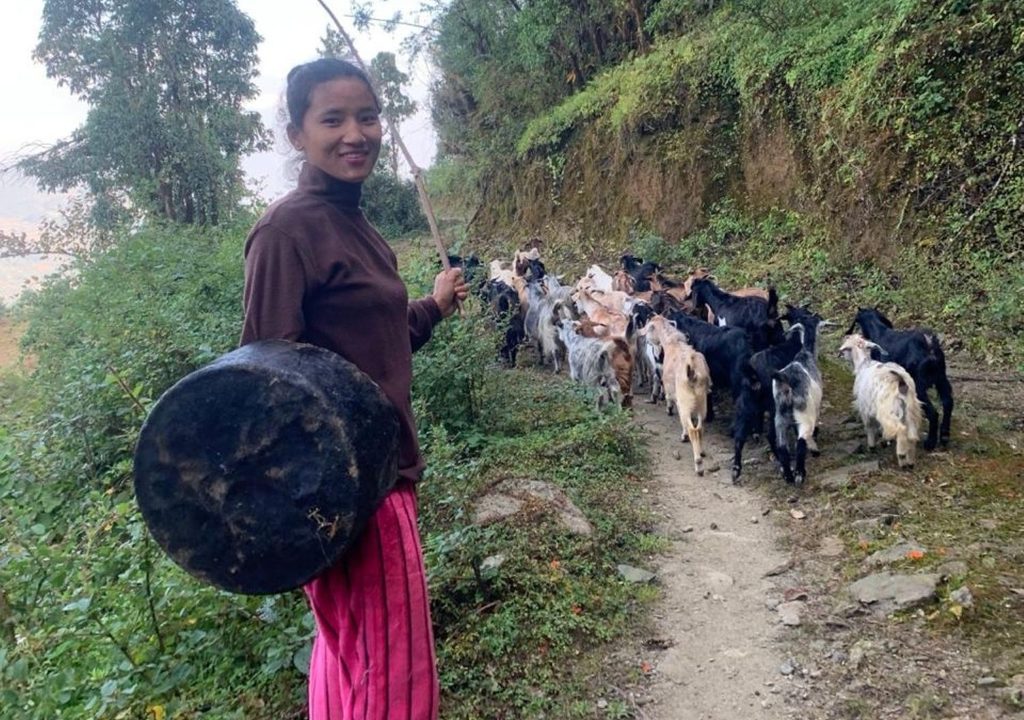
My childhood was full of hardship and struggle. When I was six months old, I was involved in an accident in a village cowshed where I was badly burnt by fire. As a result of that accident, I lost one of my hands. On one hand, I was facing the challenges of living with a disability at such a young age. On the other hand, my mother had the enormous responsibility of raising and supporting the family. My father was no longer with us, and we did not receive much support from relatives or other family members.
My mother had to work extremely hard and make many sacrifices to raise us. The biggest reason I have reached where I am today is my mother’s sacrifice, hard work and determination.
PA: You have mentioned previously that you faced a lot of discrimination earlier in life, but in Australia “they did not treat me differently because of my disability”. Can you explain more about that?
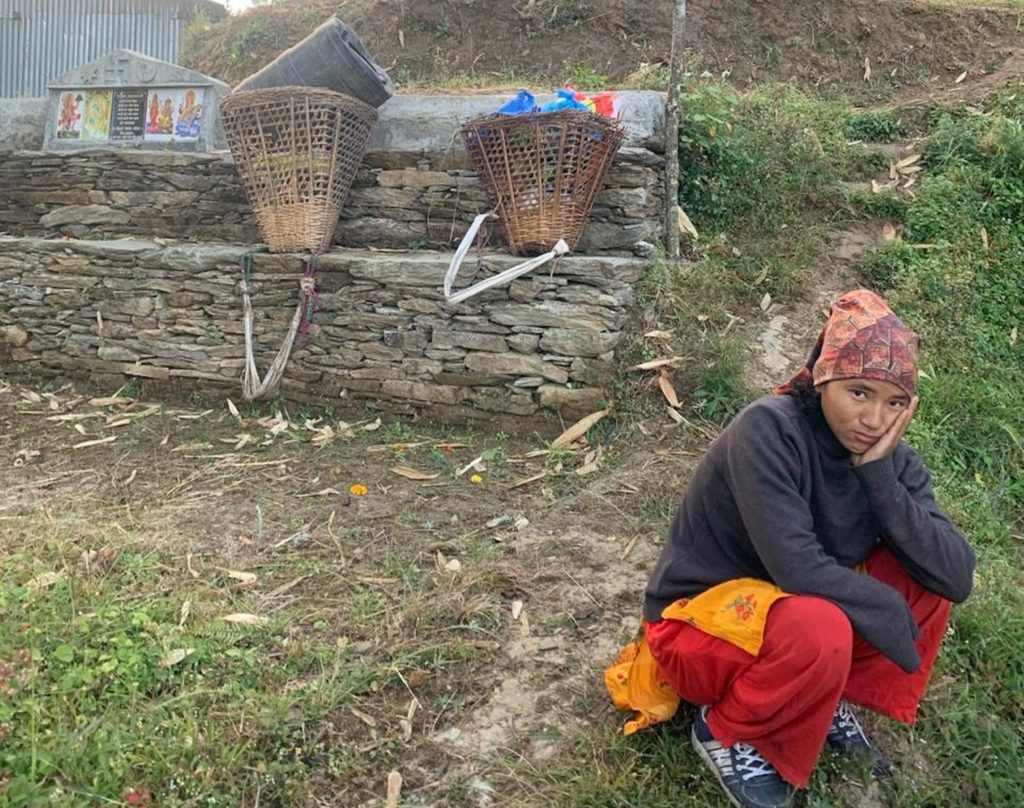
SG: Yes, throughout my life, I have experienced a lot of discrimination and humiliation because of my disability. In particular, the attitudes and perceptions towards people with disabilities in my village and society in Nepal were very different.
In our society, some people still have the mistaken belief that if someone has a disability, either that person or their family must have done something wrong or committed a sin. Because of these beliefs, people with disabilities are sometimes treated and viewed differently.
I also experienced this kind of behaviour from a young age. Some people did not say negative things directly to my face, but they talked behind my back, made comments about my disability and discouraged me. Such behaviour hurt me deeply. Sometimes, I felt isolated and disconnected from society.
After coming to Australia, I experienced a completely different environment and mindset. Here, I have not personally experienced people treating me differently simply because I have a disability. I have found a culture that values equal opportunities, respect and rights for everyone.
One of the best things about Australia is that when people with disabilities want to achieve something, demonstrate their abilities or move forward in life, they are encouraged rather than discouraged. Their talents and abilities are recognised and respected, and they are provided with support and opportunities. Since coming to Australia, I have also received a lot of encouragement, assistance and support to progress in both my sporting career and personal life.
PA: What has life looked like for you since moving to Australia? Where have you lived? What support do you have around you now?
SG: When I arrived in Australia in 2023, I initially lived in Sydney. I stayed at my partner’s uncle Bhim Basnet’s house for a few months. After that, I moved to Tasmania for work. In Tasmania, I worked at a restaurant as a kitchen hand and kitchen attendant. While living there, I contacted Australian Taekwondo and, with their coordination and support, I was given the opportunity to continue my taekwondo training.
At that time, I used to travel from Somerset in Tasmania to Launceston for training. Master Josh at Hoju Martial Arts provided us with training. Ben, from Australian Taekwondo’s High Performance team, also coordinated with Master Josh and helped arrange training opportunities for us. Their support helped me move forward in my sporting journey.
Later, I also travelled to Melbourne from time to time to train at Halls Taekwondo. There, Australian Para taekwondo coach Jerry Moraitis provided us with training and guidance. We decided to move permanently to Melbourne so that we could train regularly and further develop our sporting careers. I am now regularly training at Halls Taekwondo.
One of the most important people supporting me throughout my life and sporting journey is my life partner. He has continuously supported, encouraged and stood beside me since the beginning of my Para taekwondo journey. Without his support, my journey would not have been as smooth.
I am also especially grateful to Ben, Master Josh, Jerry Moraitis and the entire Australian taekwondo family. There are also many people in Nepal who have supported my journey. They believed in my struggles and my abilities. I would like to express my heartfelt gratitude to all of them.
No athlete succeeds alone. Behind every athlete’s success are family members, coaches, friends and many other people who provide support and encouragement. All these people have played a significant role in helping me reach the position where I can represent Australia today. I will always be grateful to them.
PA: What do you consider your best results since representing Australia?
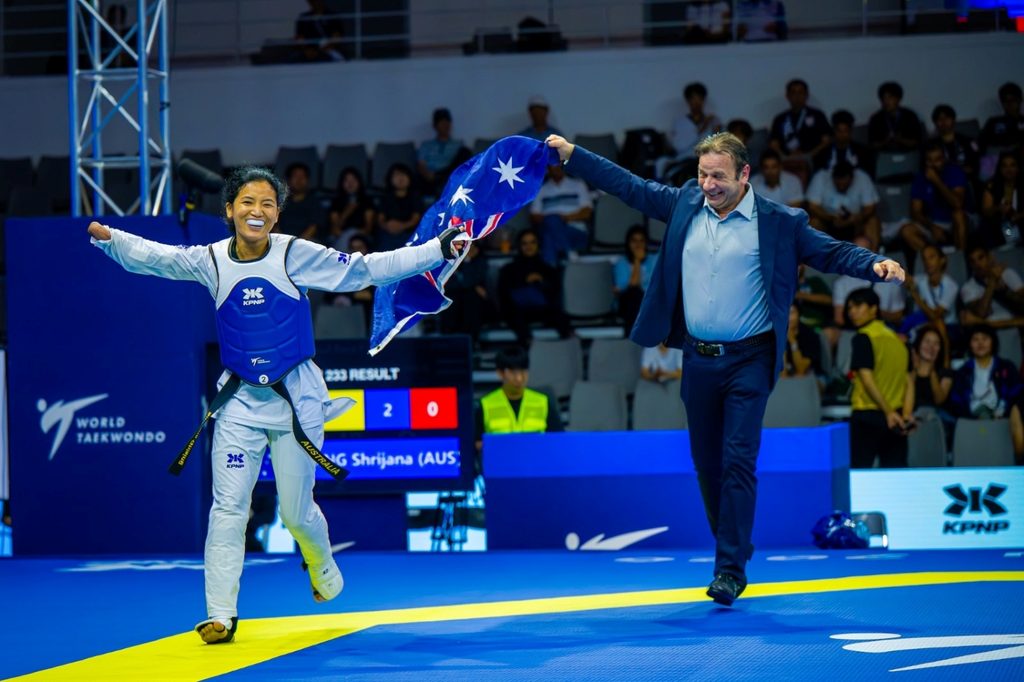
SG: For me, participating in international Para taekwondo competitions and winning medals while representing Australia is a great achievement and a source of immense pride. In 2025 and 2026, I had the opportunity to win gold medals at the World Taekwondo President’s Cup Oceania. Similarly, I successfully won gold medals at the Australian Open in both 2025 and 2026.
In 2026, I also won a gold medal at the first Oceania Championships. After that, I won a silver medal at the Turkish Open. I also achieved a silver medal at the World Para Taekwondo Open Challenge held in South Korea in 2026. I won a bronze medal at the World Taekwondo President’s Cup Asian event held in Pakistan.
We often worried about what we would eat in the evening after having breakfast, or what we would eat the next morning after dinner.
One of the most special achievements of my sporting career was winning a gold medal at the Muju World Para Taekwondo Grand Prix in South Korea in 2026. This achievement was not only important for me personally but also a historic moment for Australian Para Taekwondo. To the best of my knowledge, this was the first time an Australian Para Taekwondo athlete had participated in the Grand Prix Series and won a gold medal. Therefore, I consider this one of the most significant achievements of my sporting career.
Later in 2026, I also had the opportunity to represent Australia at the Para Taekwondo Grand Prix Series in Paris. I did not win a medal there, I gained valuable international experience. All these achievements have motivated me to work harder, improve my performance and aim for even greater success in the future.
PA: How has your preparation been for the World Championships? How important is this tournament for your LA28 preparation? Do you picture yourself winning a Paralympic medal for Australia?
SG: There is a special story behind the beginning of my Para taekwondo journey. It is connected to my life partner’s unfinished Paralympic dream. My life partner started Para taekwondo in Nepal.His dream was to compete at the Paralympics and win a medal for his country.
At that time, only the K43 and K44 categories were included in the Paralympic program, while the K42 category was not included. My life partner was a K42 athlete. I think I entered this sport partly to help fulfil his dream. But gradually, his dream became my dream too. I also started dreaming of winning a Paralympic medal one day.
There were many challenges and difficulties in pursuing that dream from Nepal. Therefore, after coming to Australia, I started a new journey with the goal of achieving my dream while representing this country. So far, I have continued progressing and winning medals at various international competitions. For me, every competition is another important step forward. Every victory and every experience makes me stronger, more experienced and more confident.
The upcoming World Championships is also an important step in my preparation for the LA28 Paralympics. Participating in major international competitions helps me improve my performance, gain international experience and progress in the world rankings. The more international competitions I participate in, the more experience I gain. This experience will help prepare me to compete at the Paralympics in the future.
My ultimate dream is to win a medal for Australia at the LA28 Paralympic Games. I am committed to achieving this dream and I am working as hard as I can. I strongly believe in my abilities and I believe that one day I will succeed in winning a Paralympic medal for Australia.
For me, this is not just a personal dream. It is also a journey to fulfil the unfinished dream that my life partner once had. I am moving forward with both his dream and my own dream as one shared goal. I believe that with determination, hard work and continuous effort, one day I will proudly carry the Australian flag and win a medal at LA28.
PA: What do you love most about Para taekwondo?
SG: It is very difficult to express my love and respect for Para taekwondo in words. For me, Para taekwondo is not just a sport; it is something that has completely transformed my life.
Sometimes I think that if my right hand had not been burnt in that fire, perhaps my life would not have reached where it is today. If I had never become a Para taekwondo athlete, perhaps I would not be living in Australia today. I try to see every event in my life as an opportunity for something new.
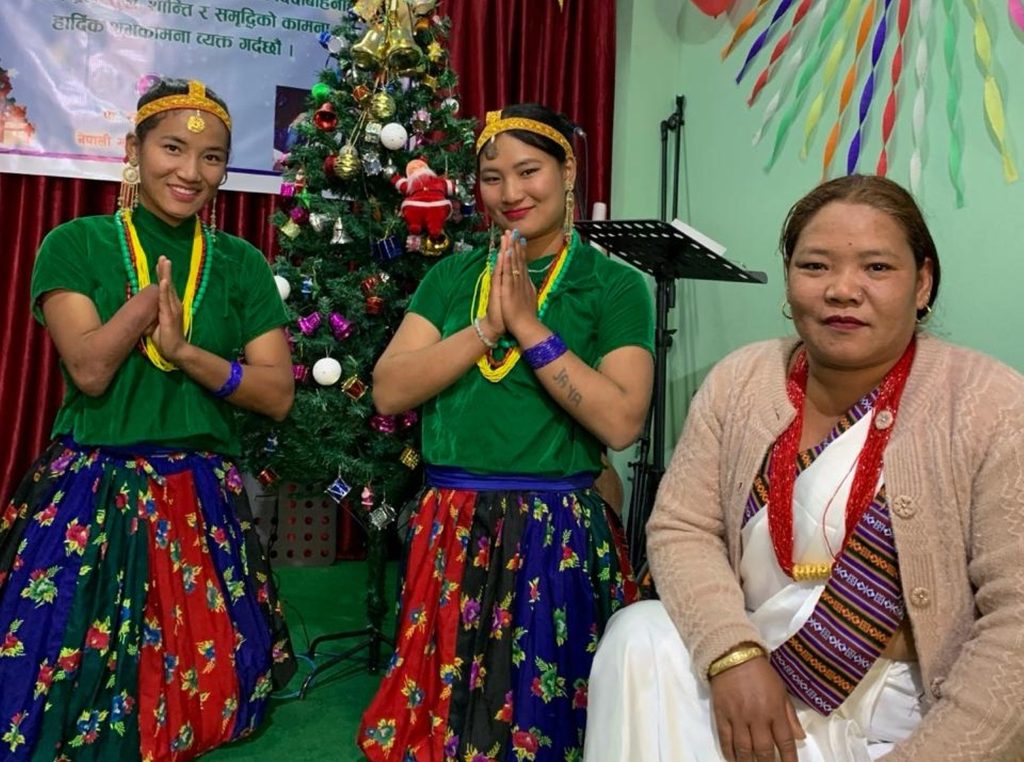
I come from the Tamang community, which has its own culture, traditions, customs and lifestyle. We have our own ways of eating, travelling, celebrating and enjoying life. After I entered Para Taekwondo, my lifestyle changed significantly. Everything changed, from my eating habits to the way I speak, walk, sit, live my daily life and think.
Most importantly, taekwondo taught me discipline. Through this sport, I learned self-control, patience, hard work and the sense of responsibility that every athlete should have. Taekwondo has also given me a name, identity and respect. Today, many people around the world know me as Shrijana Ghising, a Para taekwondo athlete. This makes me incredibly happy and proud.
If Para taekwondo had not become part of my life, perhaps my life would have been completely different. I might have continued studying in Nepal, worked in a government or private job, or stayed with my mother and helped her with daily life.
I can only imagine what direction my life might have taken. But Para taekwondo has given me the opportunity to see the world, meet people from different countries, learn new things, discover my abilities and become a better person every day. This sport has given me confidence and discipline. It has taught me to dream and work hard to achieve those dreams.
For me, Para taekwondo is not just a sport. It is my identity, my confidence, my life and my dream. Whatever I am today, Para taekwondo has played the biggest role in shaping my life.
That is why I love this sport from the bottom of my heart and I will always respect it throughout my life.
That is why I would like to conclude with these words: “I lost one hand, but Para taekwondo gave me a new life, a new identity and the opportunity to pursue my dreams around the world.”
FAST FACTS:
The World Para Taekwondo Championships take place in South Korea from November 20-22.
Further information: World Para Taekwondo Championships | World Taekwondo

Your Para Sport Journey
Begins Here
Paralympics Australia is only able to continue doing its work driving the Paralympic Movement forward in Australia because of the generous support it receives from Government, Corporate Partners and donors.
The focus continues to be on delivering teams to each Summer and Winter Paralympic Games and supporting Para athletes as they enter and progress through the Para sport system and into their post-sporting careers.

"*" indicates required fields