The Great Privilege Sauvage Kept Secret
Read More


It’s been a long time coming – far too long – but finally, Siobhan Paton can say wholeheartedly she feels proud of her incredible achievements at the Sydney Paralympics.
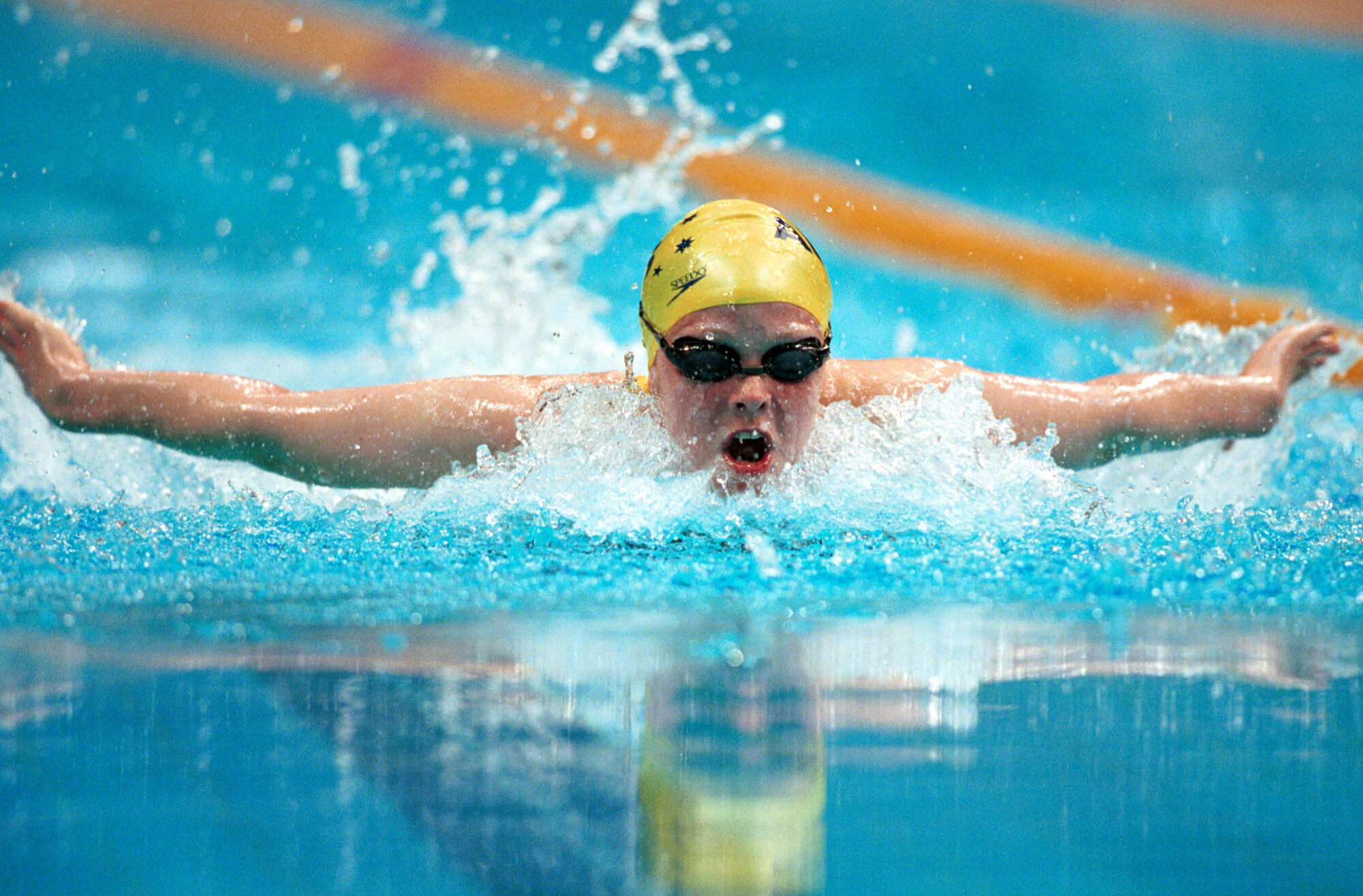
Paton, then just 17, was the most successful Australian athlete at the Games, sweeping the pool to win six gold medals in the S14 classification for athletes with an intellectual disability (ID).
However, what should have been the start of a wonderful career turned into an ordeal in which Paton became an innocent casualty of a shocking cheating scandal and a system unprepared to cater for her needs.
It’s only through her strength, the support of loved ones and significant improvements to athlete welfare that Paton has felt comfortable reclaiming her rightful place as a star of Australian Paralympic sport.
“I didn’t know anything about the Paralympics until 1997 when my coach at the time got me tested to see my IQ and all that. They found that I did have an ID, I’m a slow learner,” she said.
Once her classification was completed, between 1997 and 2000 Paton dominated at the national titles, World Championships and racing in the UK, winning scores of gold medals and setting numerous world records. She seemed destined for greatness at Sydney 2000 and those indicators proved accurate.
Each of Paton’s wins in Sydney was in an individual event and across a range of strokes.
“I just had a natural talent for swimming,” she said. “I’m not taking away that other people did well, I just happened to be the best on the day and the night. That’s all I can say.
“If I wouldn’t have won my races I wouldn’t have been upset because I knew I’d done the best I could. It wasn’t, ‘I’m going to win gold’ and that’s what I did, it was that each gold was a surprise because someone could have beaten me out of left field. If I got silver, that would have been OK.
“I’d done so many races at Homebush before. It just felt so normal and natural that the pressure didn’t get to me. I just thought of it as another swim meet where I had to perform – and I did perform.”
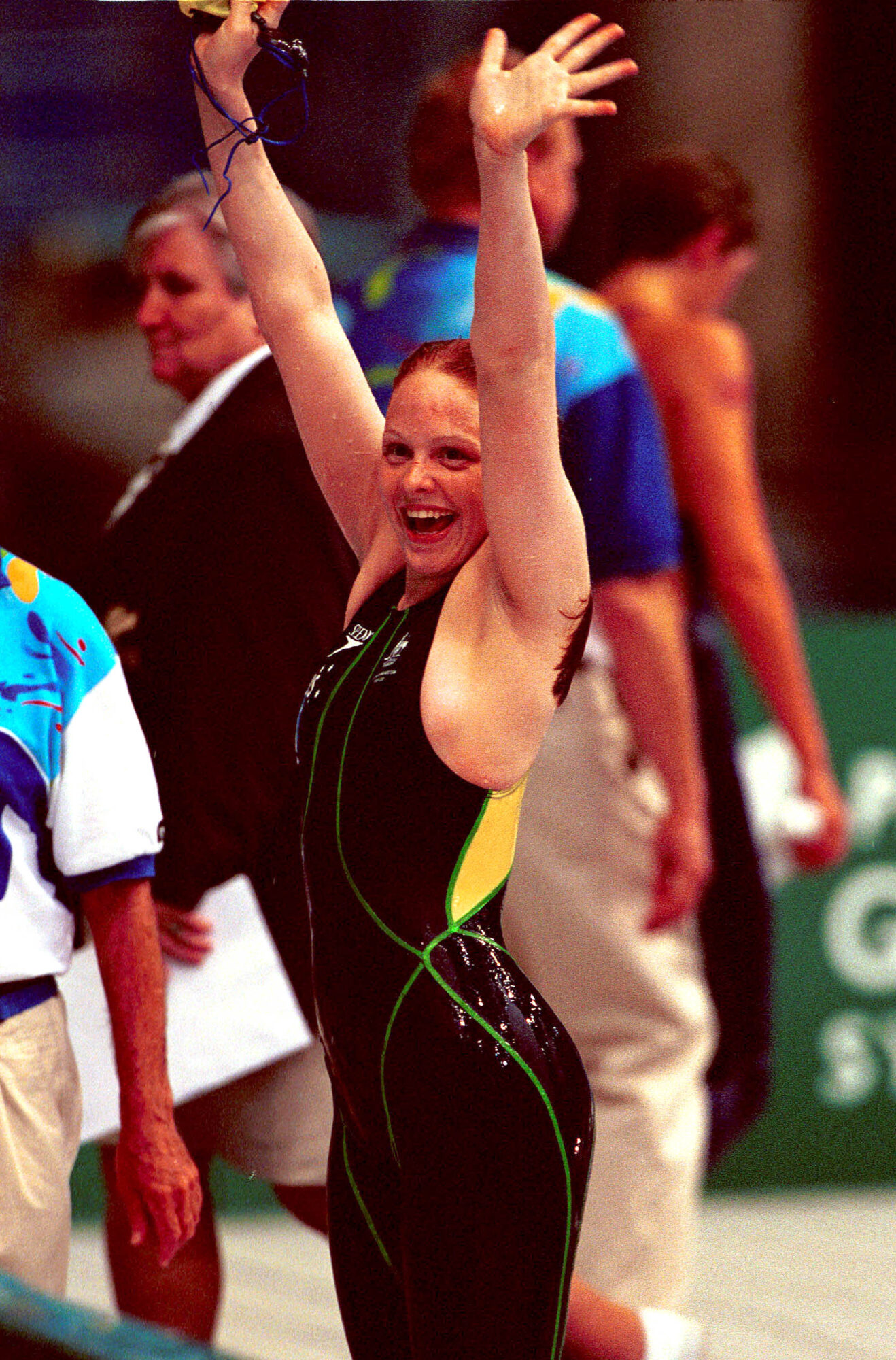
Paton finished the Games by celebrating with her family at the Closing Ceremony
“My mum pointed me out to the security guard and said, ‘She’s my daughter’ and the security guard let her and my sister and cousin onto the field. We were all dancing and having a party”.
“Nowadays, they wouldn’t be allowed down. But they were allowed down, I was able to sit with my grandmother, my aunt and my friends that were there as well. We got our photos taken and everything. It was lovely.”
The joy of that night, however, soon took a sour turn. During the Closing Ceremony, Paton said, she “started hearing rumours” but “wasn’t fully understanding of what everything was”.
Within weeks of the Paralympics ending, the rumours turned into a scandal when it was revealed that several players in Spain’s ID basketball team did not have an intellectual impairment. The team was disqualified and ordered to return their medals.
The implication for Paton and other ID athletes was severe. The International Paralympic Committee announced in 2003 that all events for athletes with an intellectual impairment would be suspended for Athens 2004.
“It was extremely hard,” Paton said. “The IPC were waffling, saying ‘Yes, you’re going to go back in. No, you’re not. Yes, you are, no you’re not’.
“By 2003 I wasn’t training much because I’d had enough. Everyone was pulling me in front of the media, asking me questions, asking what I thought. I just didn’t like it.
“I packed it in in 2005. It was double standards because we weren’t in the Paralympics, they just kept us holding on to hope. It got my nose out of joint and I’d had enough of the crap.
“It was hard because, after the Paralympics I did interviews, I did charity dinners, I did all those things. But when the ban happened because of what the Spanish basketball team did, everything dried up, even though I was cleared.”
Paton became depressed and spent six weeks in hospital. During that time, she learnt the value of expressing her emotions to understand and deal with them.
“I had to learn to talk, to say, ‘I need help’,” she said.
Front and centre of her recovery was her mother, Judith. She also credited for their support Tony Naar, a Paralympics Australia staff member from 2000 to 2015 and facilitator of the Australian Paralympic History Project, and Paralympian Danni Di Toro, who subsequently worked as Paralympics Australia’s Athlete Welfare and Engagement Officer.
Paton said she felt happy to have been invited by Paralympics Australia to the launch of the team for the Rio 2016 Games and enjoyed being on the Paralympic team’s Facebook page.
“It’s all helped me to feel good again about what I did in Sydney,” she said.
“Everybody has helped. I wouldn’t be here without them. They had the patience and time to let me come out and be myself. I have a lot to be proud of.”
By David Sygall, Paralympics Australia.
Published 18 October, 2025.

"*" indicates required fields


