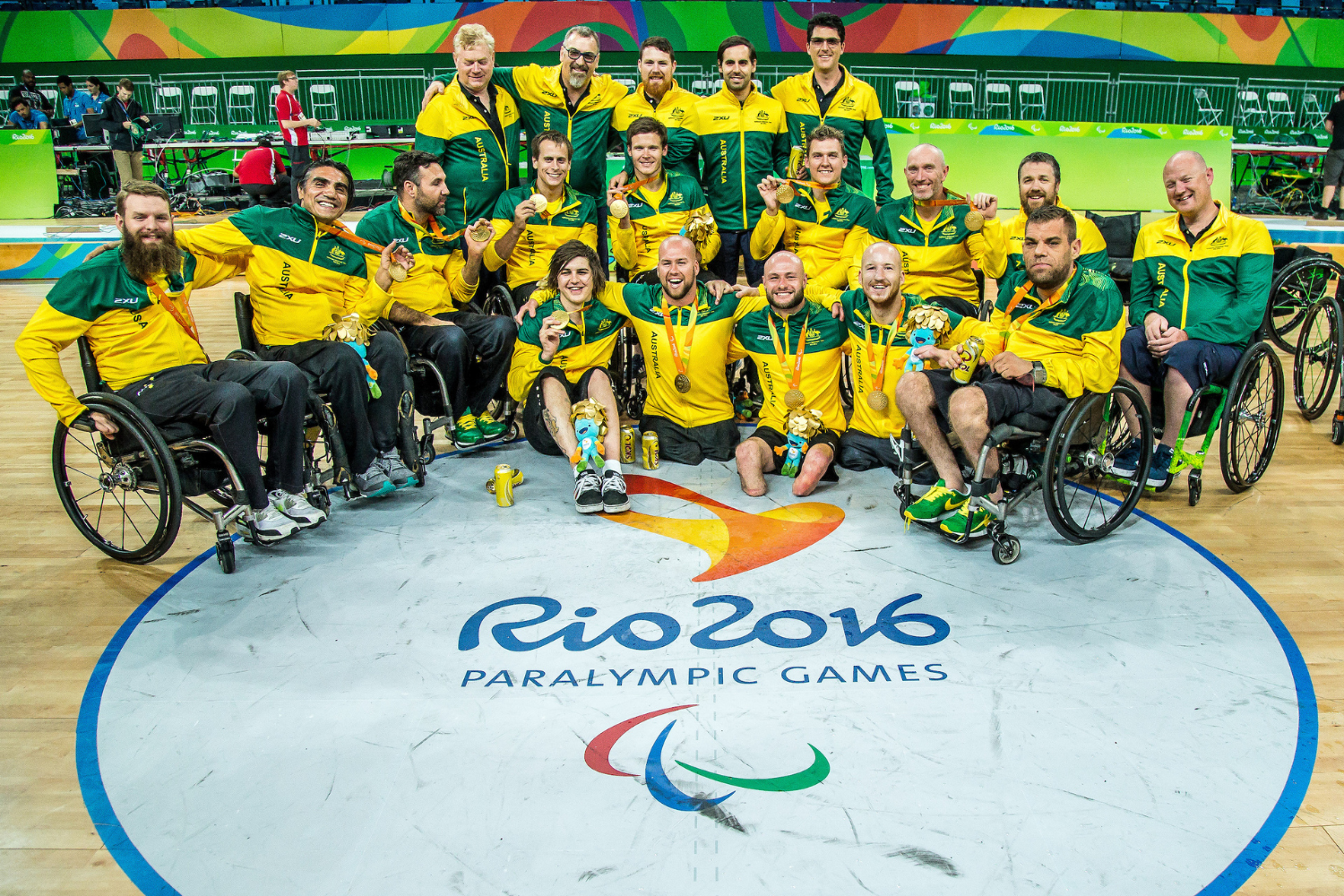
Was the gold medal final at the Rio 2016 Paralympic Games, played 10 years ago today, the greatest game of wheelchair rugby ever?
In a sport invented 40 years earlier and played at five previous Paralympic Games, that sounds like a very bold claim.
But ask Ryley Batt and Andrew Edmondson, who featured for the Australian Steelers in that final, there is simply no debate.
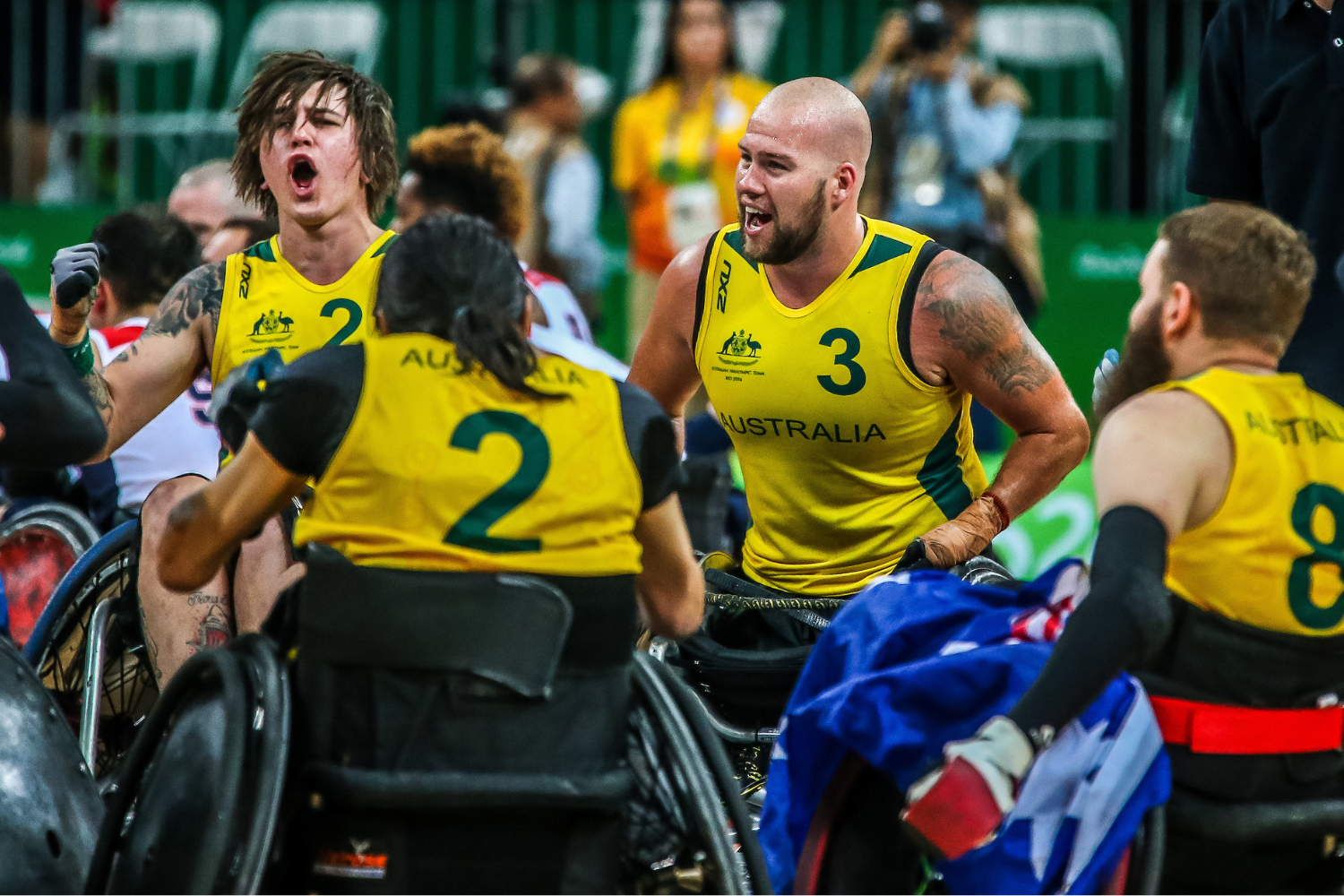
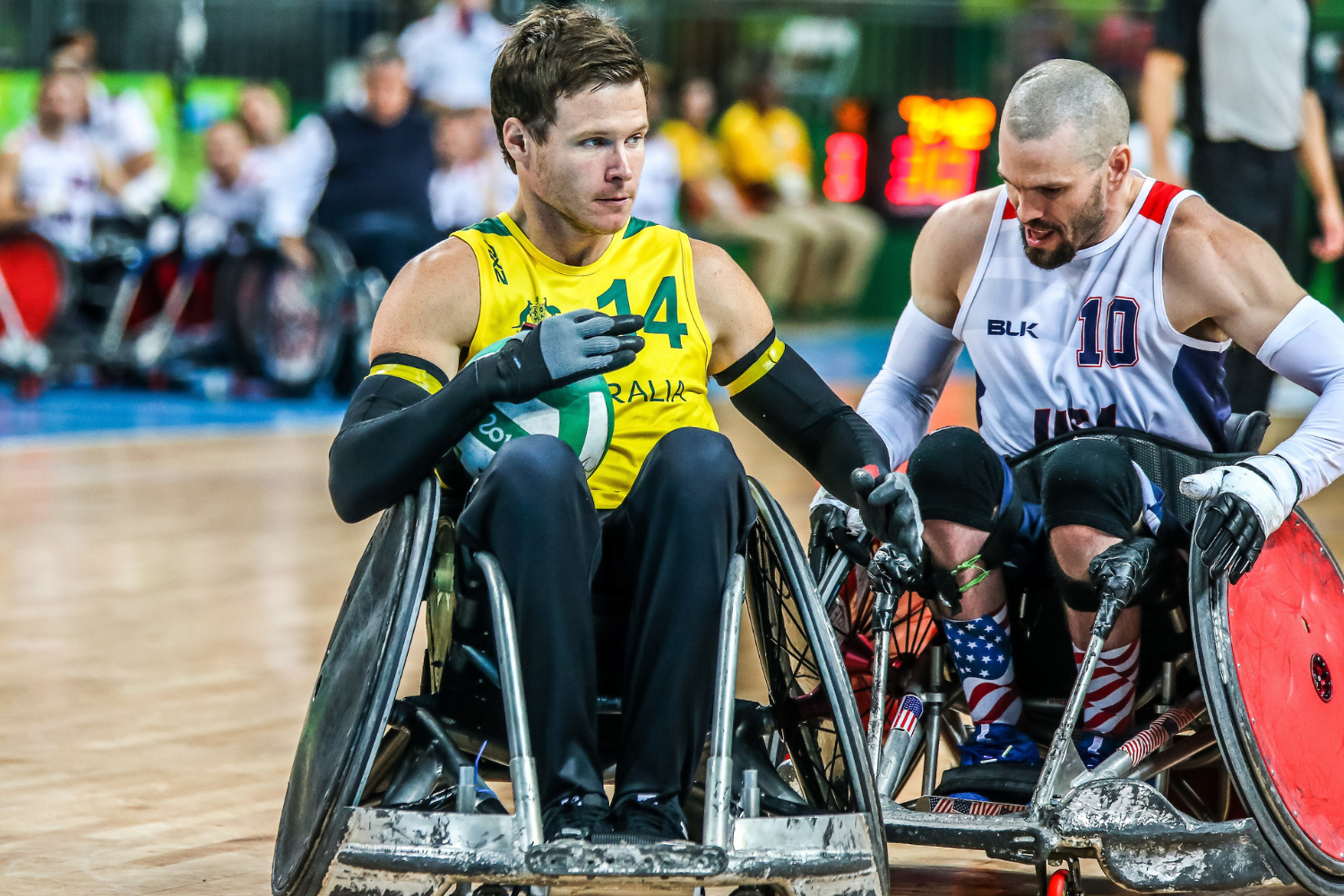
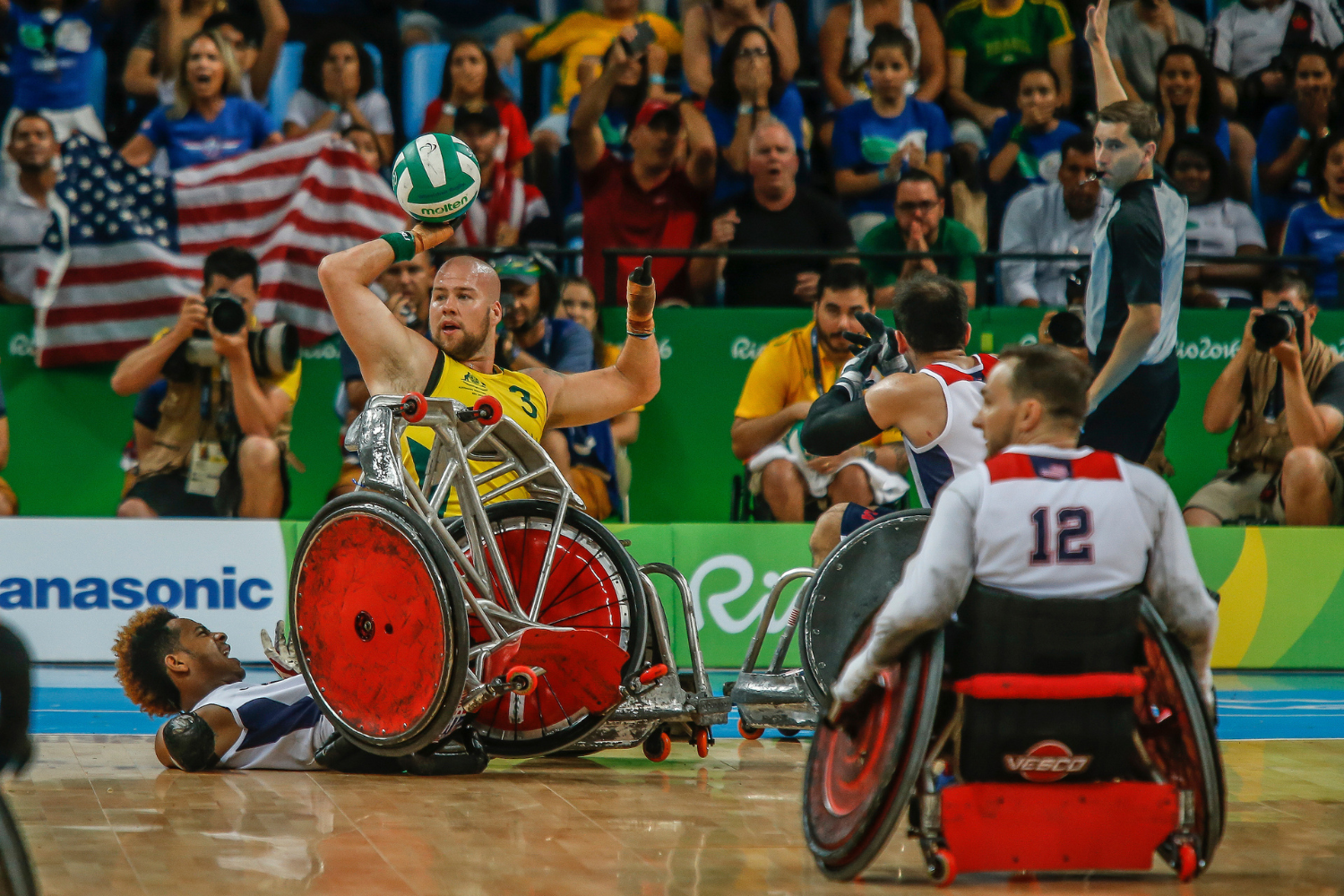
“For the spectators, it was definitely the best game ever,” Batt said.
“But as a player, I don’t ever want to play a game like that again. One little error meant the difference between a gold and a silver medal after a four-year campaign. The pressure was just immense.”
“Yeah, I don’t disagree at all,” Edmondson added. “I certainly think it was the best game of wheelchair rugby ever.
“The environment, the amount of people there, what was at stake and where our sport was at that certain time. It felt like the biggest turning point to be in such a big venue, on the biggest stage, as the two best teams in the world.
“I’ll always be grateful to have been in that moment, to have gone through what we did as a team, my first Games, knowing all my family was there.”
The Steelers defeated the USA 59-58, but the scoreline only scratches the surface.
The main plot centred on doubts and whispers that had haunted the Steelers for the four years prior, after they won their first ever Paralympic gold medal in London in 2012.
Australia had beaten Canada in the 2012 final after the USA was eliminated in the semi-finals. Two years later, Australia had also won the 2014 World Championship without facing the Americans, the defending 2010 world champions, who were knocked out in the semi-final.
So arriving in Rio holding every major title in the sport, the Steelers hadn’t faced and beaten the team many still regarded as the benchmark of international wheelchair rugby.
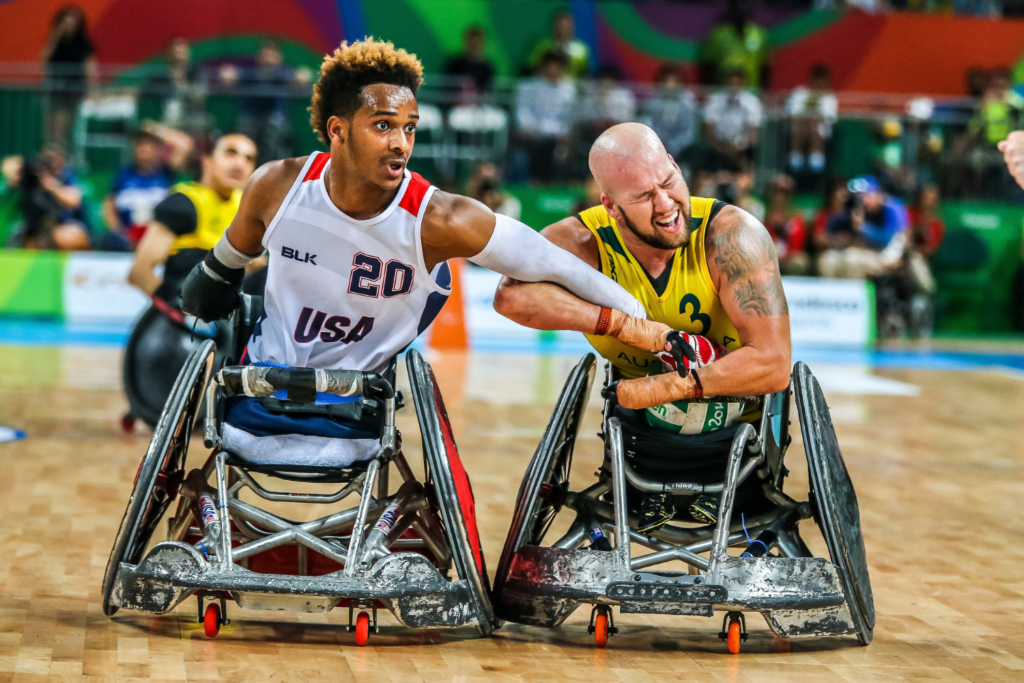
“We knew there was some whispers behind our backs,” Batt said.
“People were saying ‘Oh Australia, you got gold in London, but you didn’t play America’ who everyone thought was the best.
“Rio 2016 was all about redemption for us, especially when we got to take on the Americans in the final.
“All I wanted was to play them in the final and prove that we were the best team for that whole time, that we could beat anyone.”
What happened in those next 3.6 seconds still physically affects Batt to this day.
The Steelers knew victory would be the only way to silence any remaining critics or sceptics.
“Winning that final, it didn’t only cement that Rio gold medal, it also cemented that London gold for me,” he says.
“It really felt like two gold medals for the price of one and it felt like we earned everything we had.”
Held on the last day of competition, it turned out to be final medal presented in Rio before the Closing Ceremony.
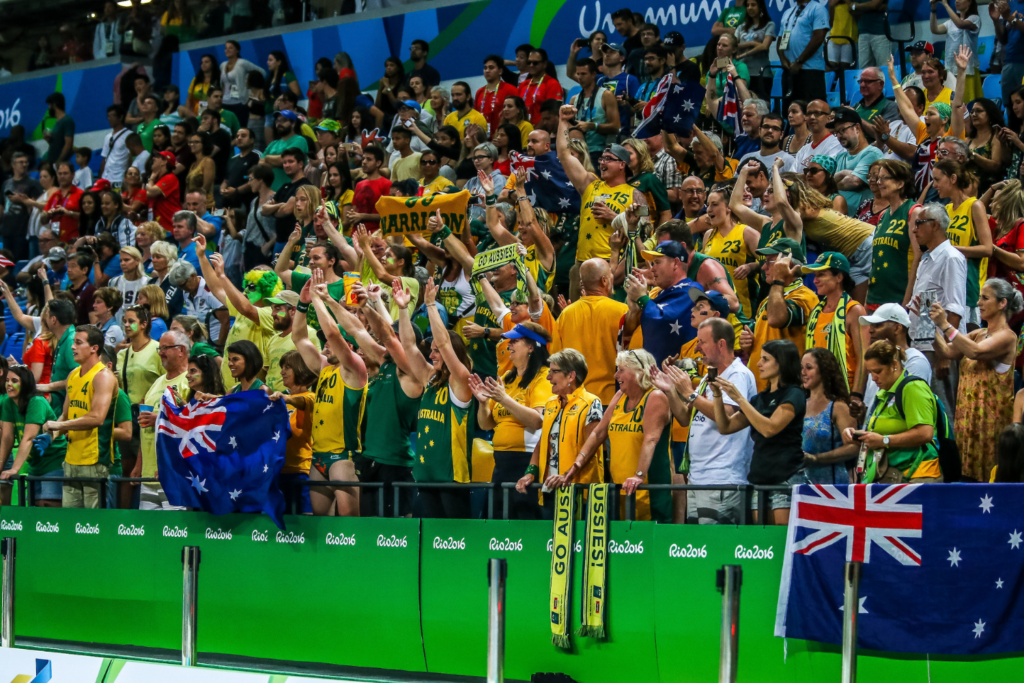
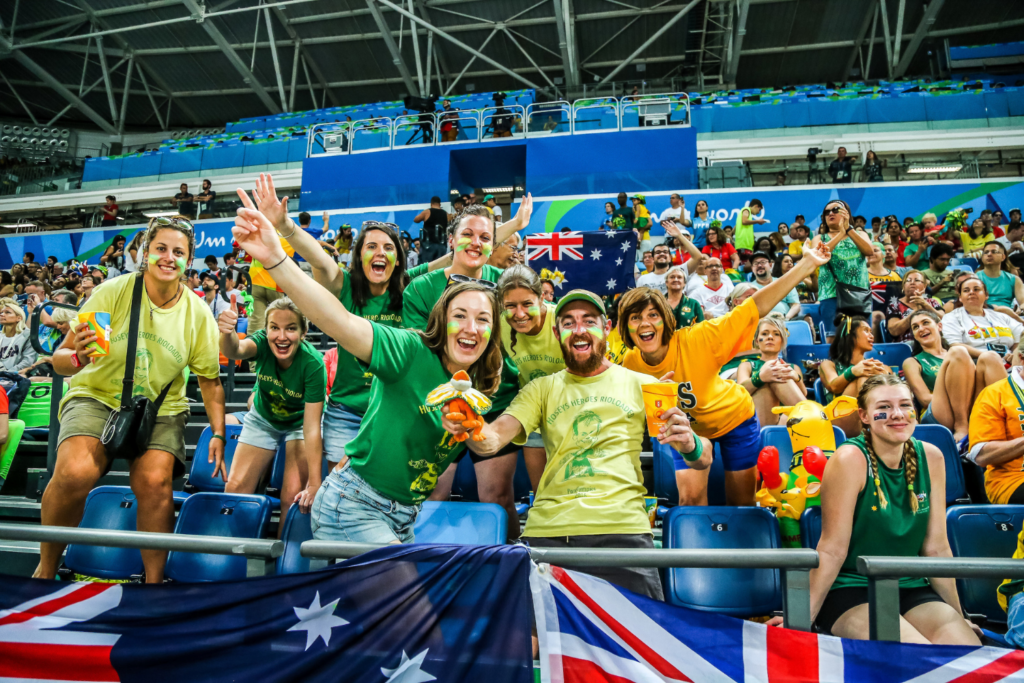
Played in front of a sold out, world-record crowd of more than 12,500 roaring fans at Carioca Arena, with millions more watching on screens around the world, scores were locked at full-time.
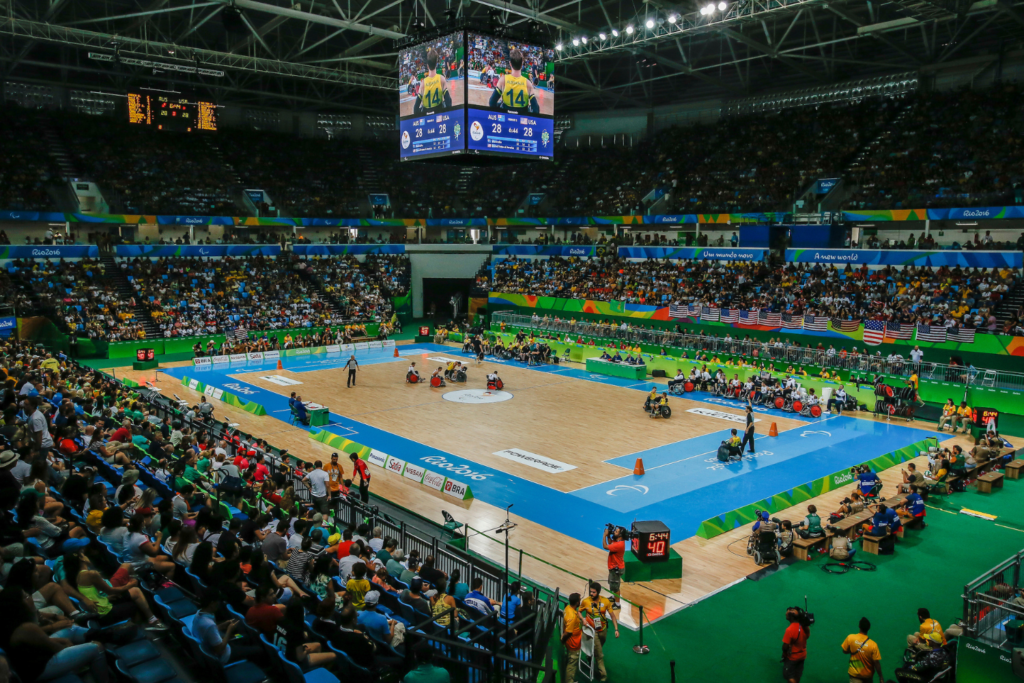
They remained locked after overtime.
Then Australia scored with 49 seconds remaining in double overtime to regain a one-goal lead.
Still, the US had one last throw of the dice. With just 3.6 seconds left on the clock, American Chuck Melton delivered a beautiful, looping pass to teammate Josh Wheeler just inches from the line and on his way to deadlock the scores once more.
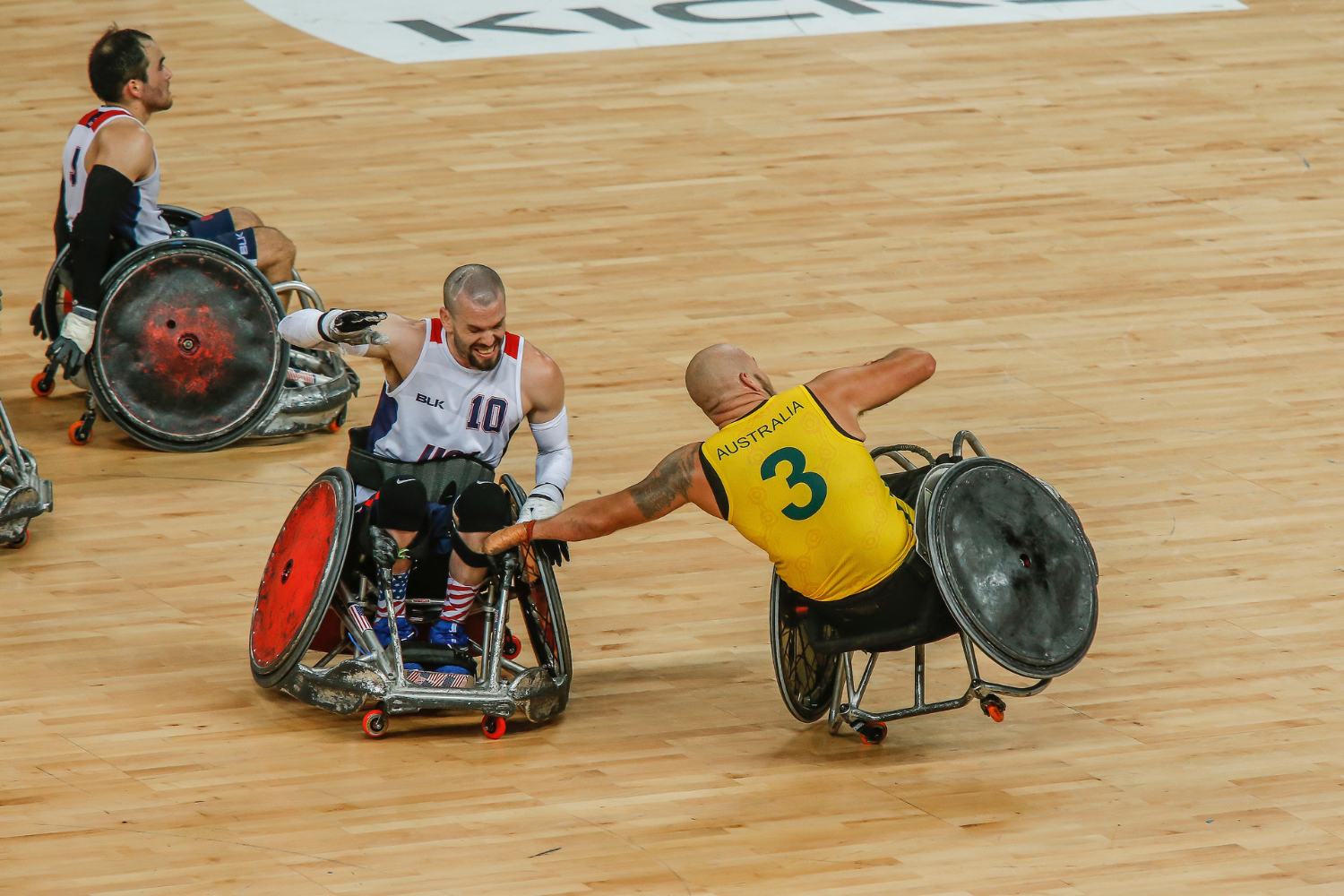
But it was Batt who delivered a masterstroke, laced with brutality.
Physically and emotionally spent, the Australian mustered his final ounce of strength to demolish Wheeler as he reached for the ball, sending him out of bounds.
From there, the tension only lifted as the Steelers had to complete an inbound pass with desperate American defenders stuck to them.
What happened in those next 3.6 seconds still physically affects Batt to this day.
Showing incredible composure, Chris Bond picked his moment perfectly to find Batt with a pinpoint inbound pass, putting him in open space.
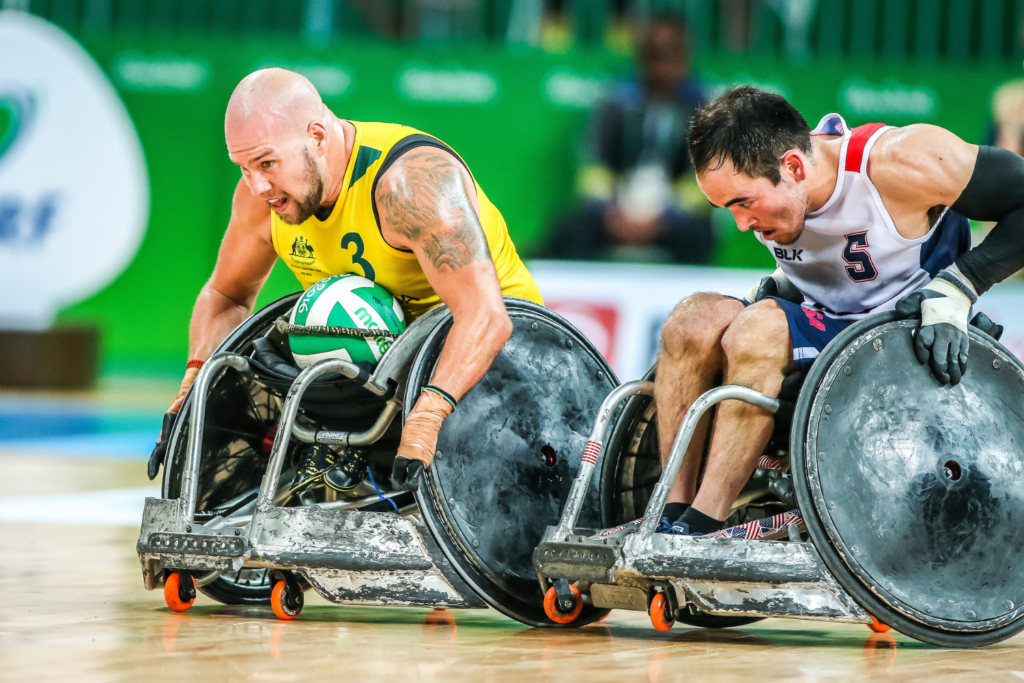
But just as the siren sounded, Batt’s chair was struck by Wheeler – still feeling the frustration from the previous play – as the Aussie sent the ball high into the air in celebration.
“I landed on my left shoulder and that’s been the catalyst for my injury to this day,” Batt said.
“The moment we won that gold medal, I pulled my shoulder out of place. Everyone is trying to celebrate. I couldn’t even lift my arm up. I was in excruciating pain, but the endorphins from winning a gold medal were phenomenal.
“Here I am in 2026, I just had surgery on that shoulder and it’s still causing me grief. But you know what? I’d do it again to experience that moment once more.”
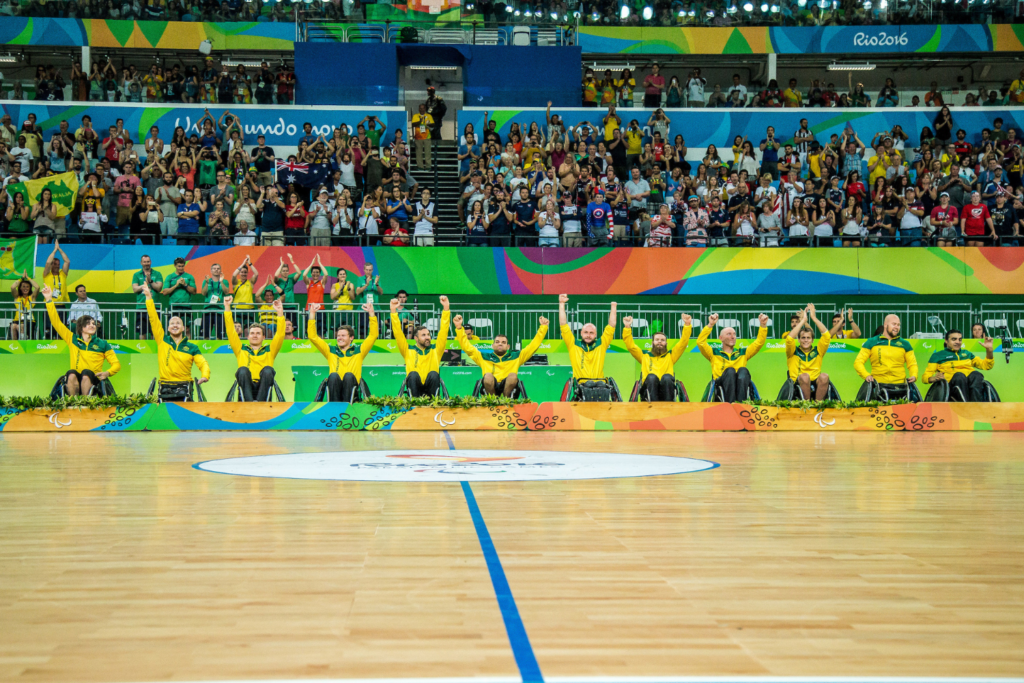
Full time triggered wild scenes and celebrations that have become iconic.
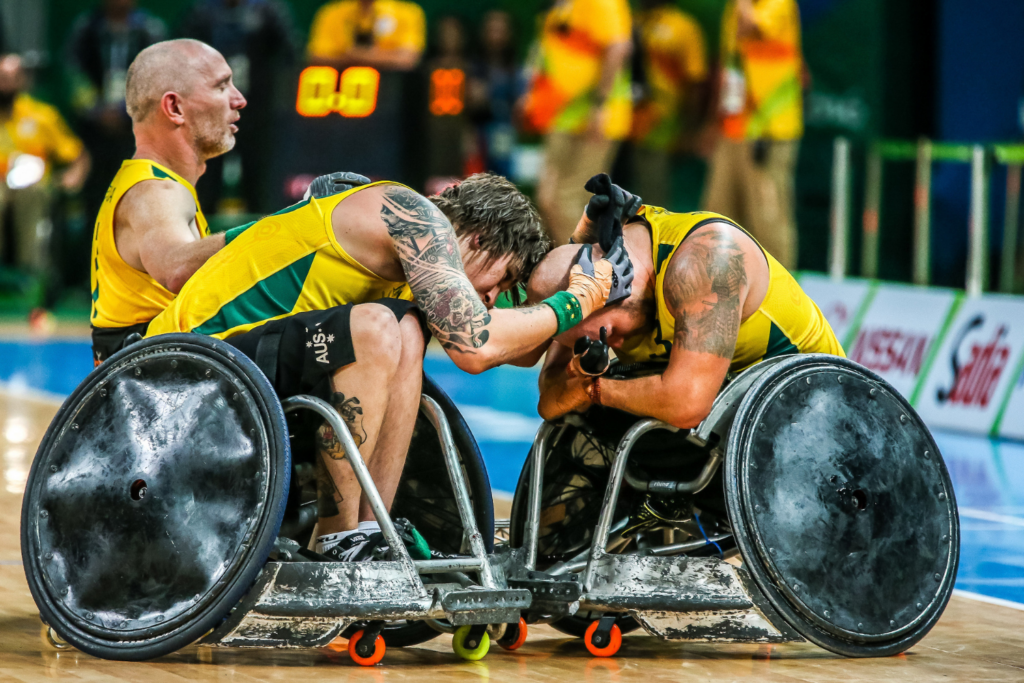
Australian fans, including one who looked especially familiar to Batt, evaded several security guards to enter the playing arena and hug their heroes.
“Yeah, that was my Dad,” Batt says sheepishly.
“In hindsight, I think that was pretty dangerous. Security in Brazil carried military weapons and I didn’t know how strict they would be or if they would take him away, but in that moment, it was so cool to share it with him.
“I also remember our captain Ryan Scott’s partner jumping the barrier to give him the biggest cuddle. And that’s what it’s all about, right? We weren’t doing it for ourselves, we were doing it for our teammates, our friends, our families, our community and all the people who supported us along the way.
“I loved those moments. I love some of those photos and I’m just getting goosebumps talking about right now.”
Over the next two years, there is another huge storyline developing.
Batt has gone on to become Australia’s most capped Steeler with 370 games, which has included six Paralympics and six World Championships, while Edmondson, who made this Paralympic debut in Rio, has amassed 217 appearances.
Their most recent match was the World Championship final last month, in Brazil, where they were defeated. By the Americans.
So when is their next opportunity to do battle on the sport’s biggest stage?
The 2028 Paralympic Games. In Los Angeles.
“Over the next two years, there is another huge storyline developing,” Edmondson said.
“A Paralympic Games in Los Angeles, they’re the current world champions, there’s going to be a lot on the line for them at their home Games before our home Games after that [in Brisbane in 2032].
“The story isn’t over. It gives us an opportunity to get something back over there in front of their home crowd at what is looking like a huge Games.”
It seems we are still scratching the surface.
Paralympics Australia is only able to continue doing its work driving the Paralympic Movement forward in Australia because of the generous support it receives from Government, Corporate Partners and donors.
The focus continues to be on delivering teams to each Summer and Winter Paralympic Games and supporting Para athletes as they enter and progress through the Para sport system and into their post-sporting careers.

"*" indicates required fields