Understanding Classification

What is Classification?


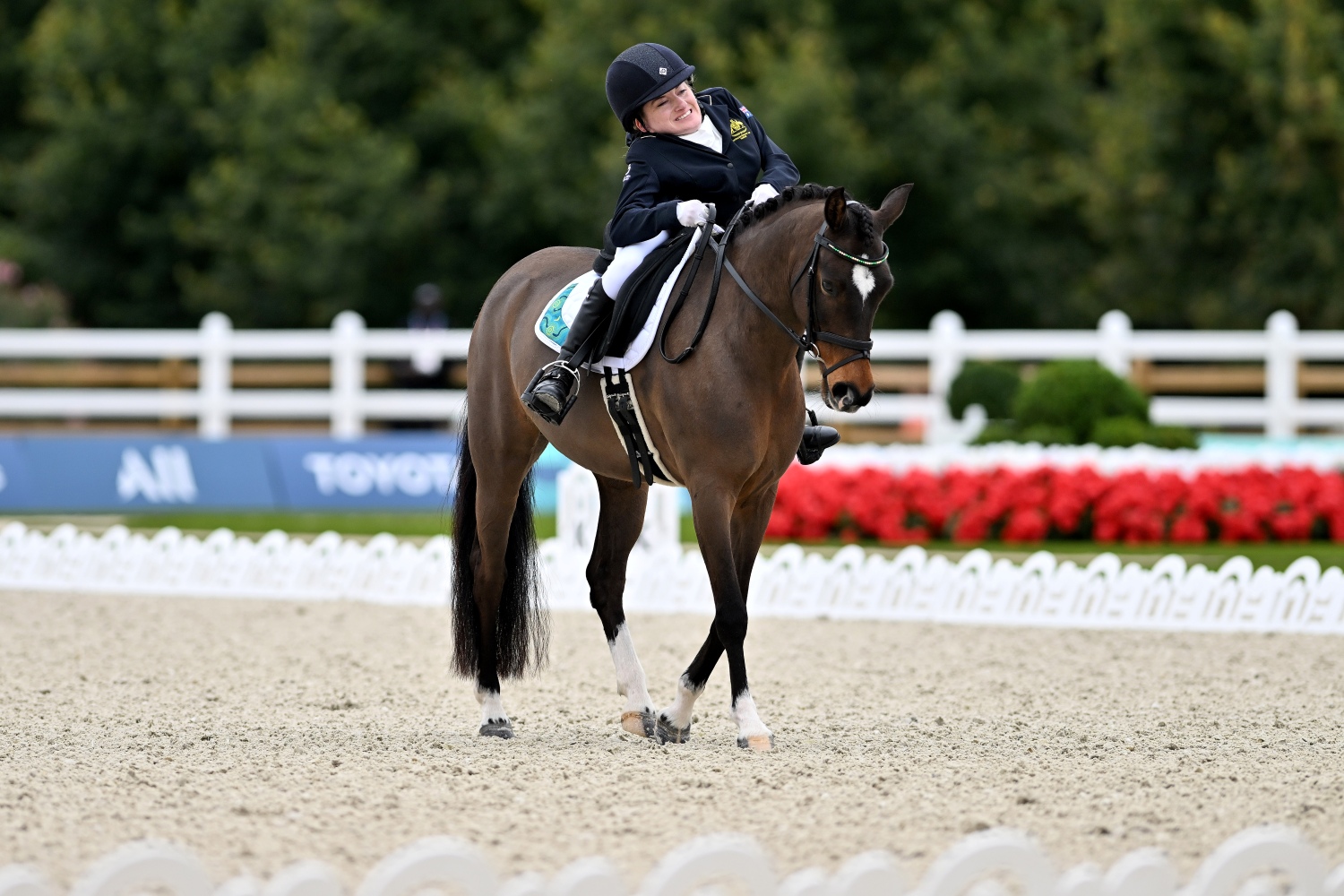
Classification forms the structure for all Paralympic competition. It separates athletes with similar levels of impairments into groups or classes, so they can compete in fair and equal competitions against one another.


Click to view the "What is Paralympic Sport" and "Who competes in Paralympic Sport" video clips

Paralympic sport is open to athletes from three different disability or impairment groups:


  • Physical Impairment

Limb Deficiency (those who have a limb deficiency whether from birth or acquired)


Cerebral palsy/acquired brain injury or similar (hypertonia (spasticity), ataxia or athetosis)


Spinal cord injury or nerve damage (those who have an impairment due to loss of muscle strength)


Short Stature (those who have achondroplasia or similar condition)


Other physical impairment (those who have loss of joint range of movement,  leg or arm length difference)


  • Vision Impairment

  • Intellectual Impairment (IQ less than 75, adaptive behavoiur difficulties, acquired prior to 18 years of age)


To be eligible to compete in Paralympic sport, an athlete’s impairment must lead to a competitive disadvantage in non-Paralympic sport.

The APC's classification strategy is expanding sport classification in the general community and sees the APC work with the national federations to further develop sport-specific classifcation.


Each Paralympic sport has a unique classification system to complement each sport’s specific athletic skills and requirements. This means that athletes who compete in more than one sport will receive a different classification for each sport.

Classification is necessary to ensure winning in Paralympic sport is determined by athletic skill, fitness, power, endurance, tactical ability and mental focus, not on the differences that exist between athletes’ disabilities.

This same principle exists in non-Paralympic sport where athletes are classified according to age, gender or weight divisions to allow for as fair competition as possible.


An athlete’s natural talent, level of training or gender will not affect their classification.

Please refer to the Sport Profiles for a more detailed explanation of the classification systems for each Paralympic sport and for the Australian  athlete classification masterlists.


Athlete Classification Process 


To date, the APC has classified 450 school aged children, putting Australia in good stead for elite athlete identification ahead of Sochi in 2014 and Rio in 2016.The APC is also focused on creating more classification opportunities for athletes at a junior or developmental level and working with the National Federations to drive the national classification directions for each sport.


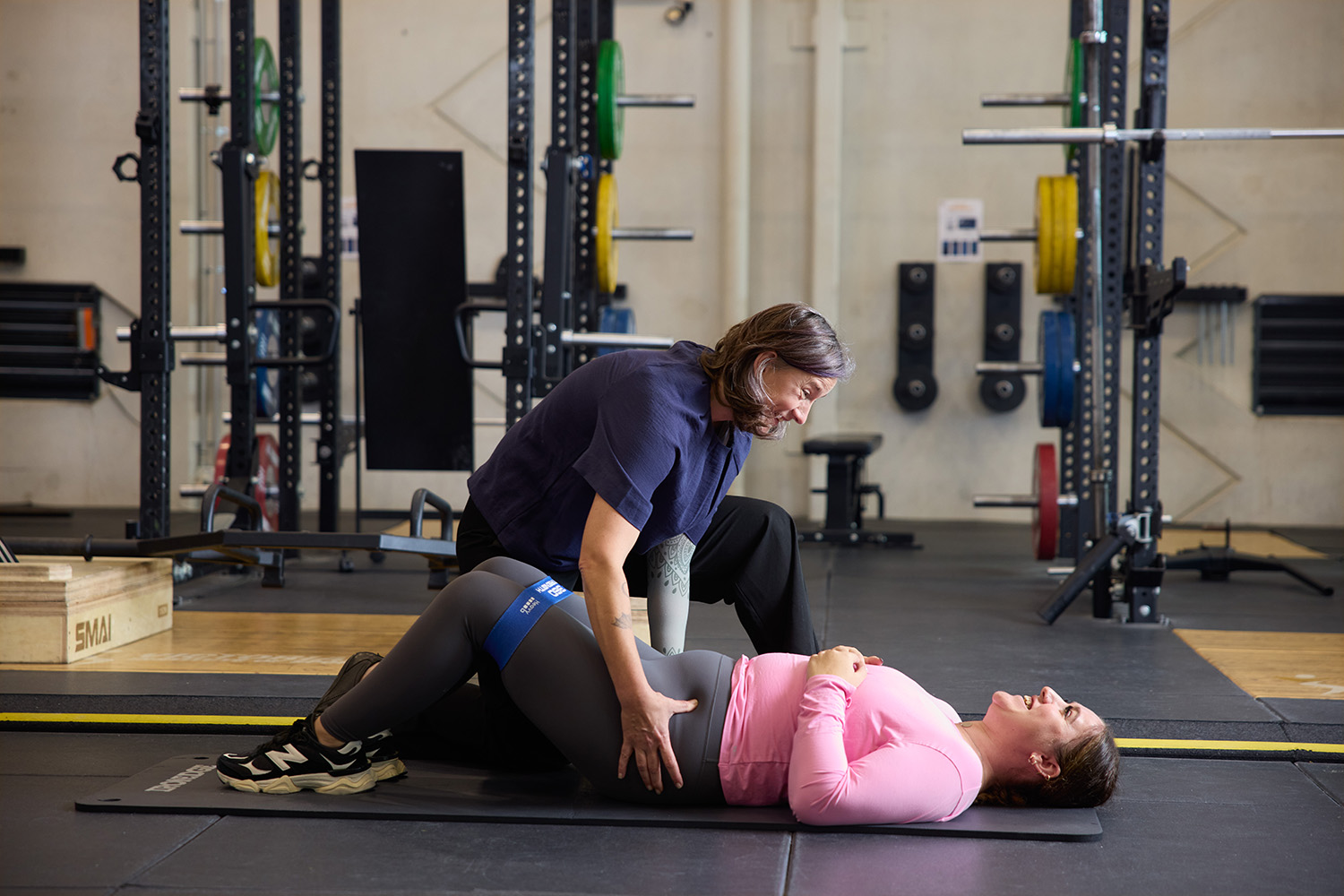
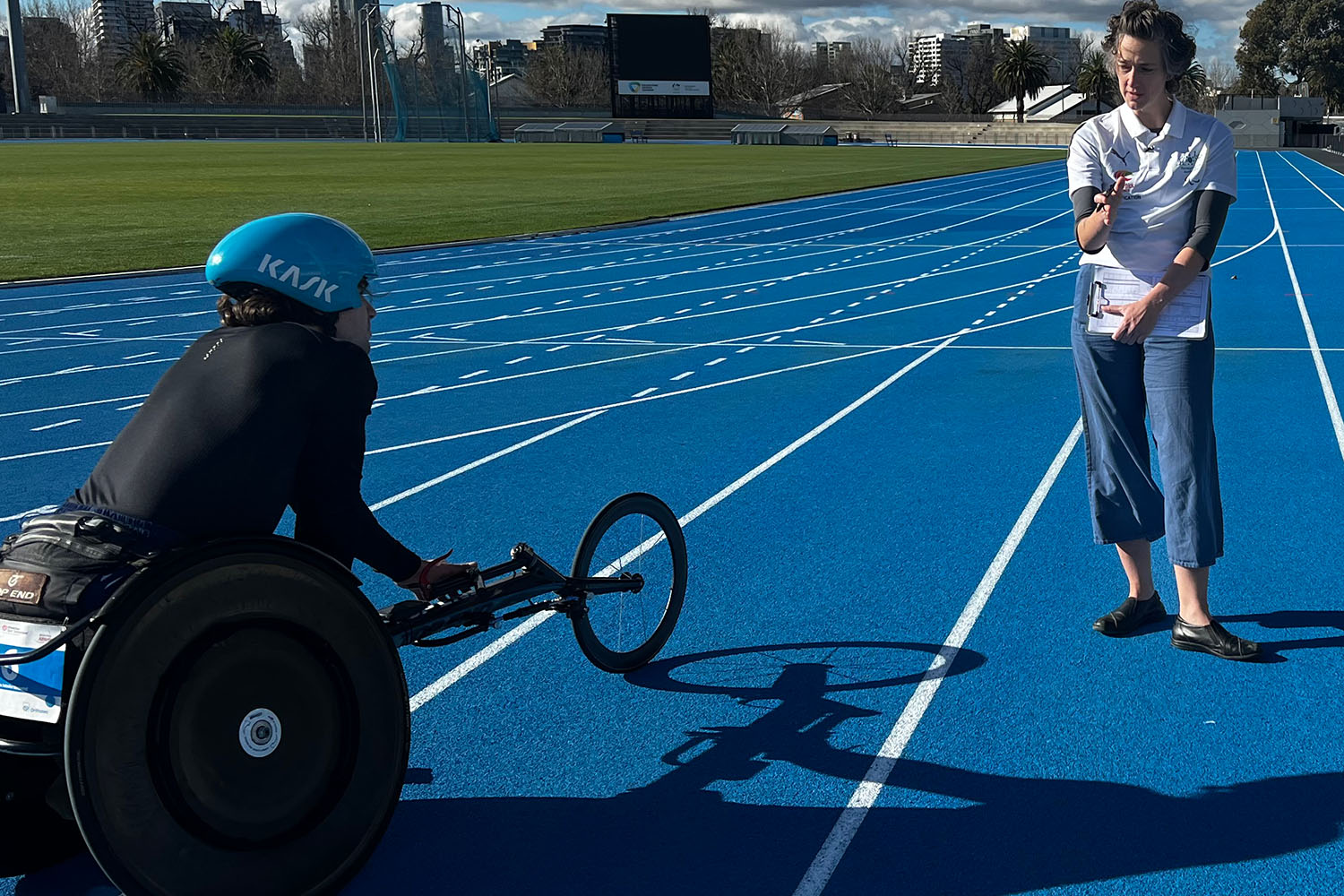
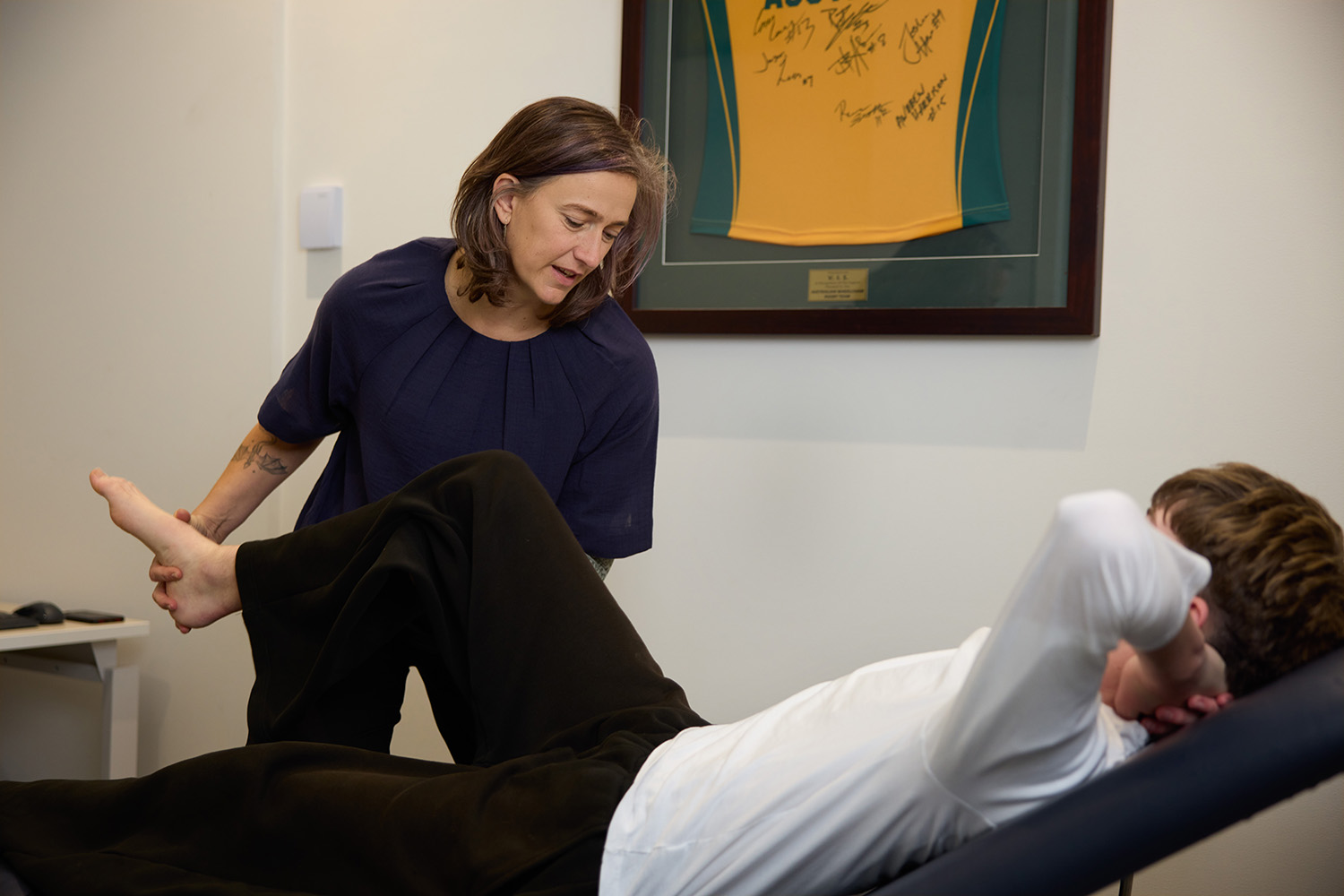
During the athlete classification process, a trained classifier assesses an athlete on how their impairment influences their sporting ability to determine their classification. The outcome should not be influenced by an athlete’s level of training or development. The evaluation process typically includes:


  • Medical, Visual or Cognitive testing

  • Demonstration of sport skills

  • Visual review during competition

What is Minimal Disability Criteria?
Each Paralympic sport has sport-specific minimal disability criteria that athletes must meet in order to be eligible for the sport. An athlete’s impairment must lead to a competitive disadvantage in non-Paralympic sport in order to be eligible to compete in Paralympic sport.

For example, an athlete who does not have a hand on one of their arms is likely to have a greater disadvantage in sports such as swimming, cycling, or alpine skiing compared to sports such as athletics or shooting. Athletes who do not meet the minimal criteria for a sport are not able to compete in any level of Paralympic competition.


The fact sheets below contain more detailed information about classification.