Ben Tudhope
Learn More

The question after Alexa Leary’s high speed cycling accident in 2021 was not whether she would become a Paralympian one day. It was much more serious than that.
Doctors told Leary’s family that she may not survive the catastrophic injuries she sustained in the crash, which occurred when she clipped the bike ahead of her while travelling downhill at 70 kph during triathlon training in the Noosa hinterland.
Leary’s parents Belinda and Russ maintained a bedside vigil for their 19-year-old daughter who was left with traumatic brain injury, blood clots and multiple broken bones. She spent two weeks fighting for survival before months of rehabilitation, including learning how to talk and walk again.
“Things were really hard when I got home from the hospital,” Leary said. “I had to learn everything again, from how to brush my teeth to how to cook. The right side of my body wasn’t capable of much.”
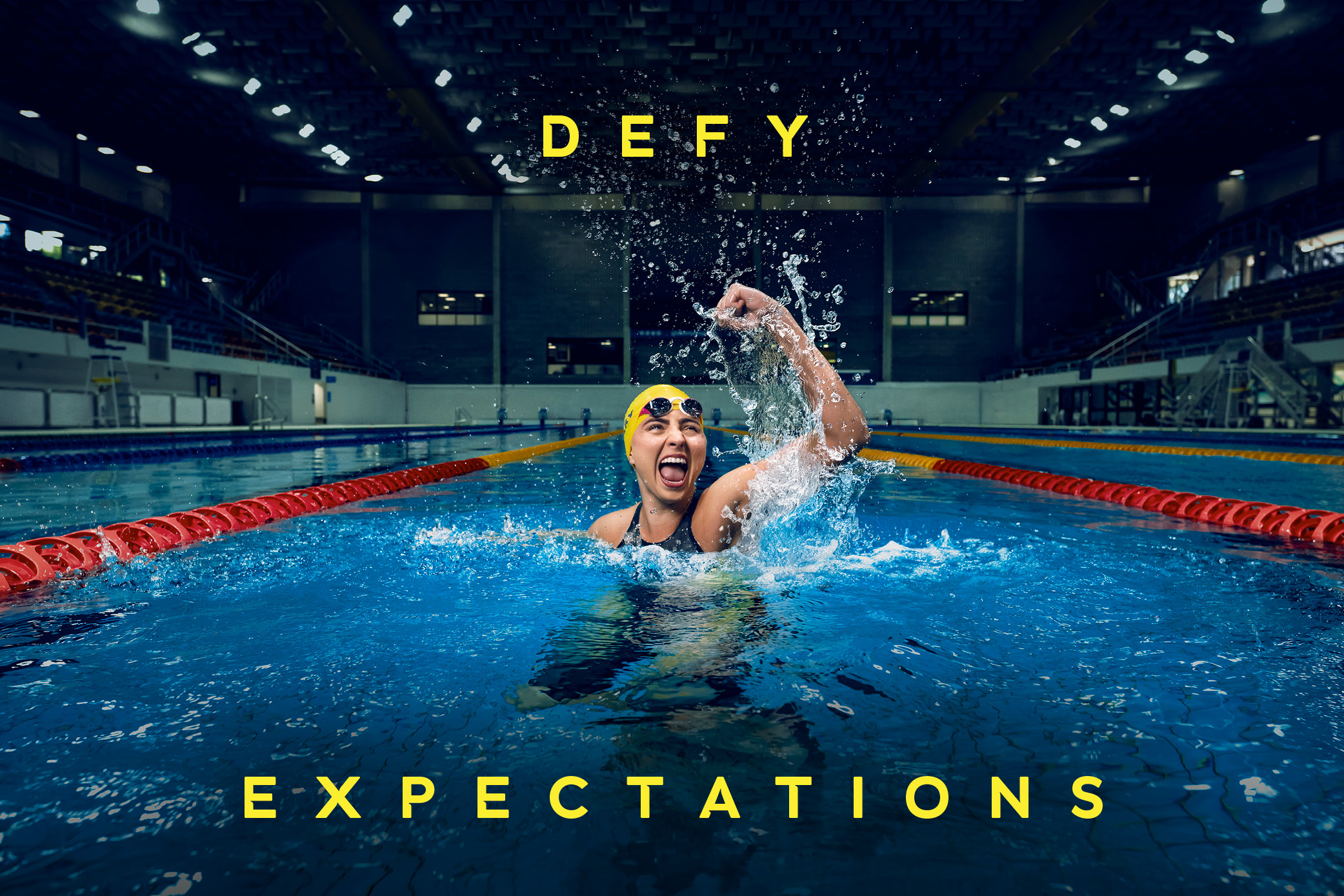
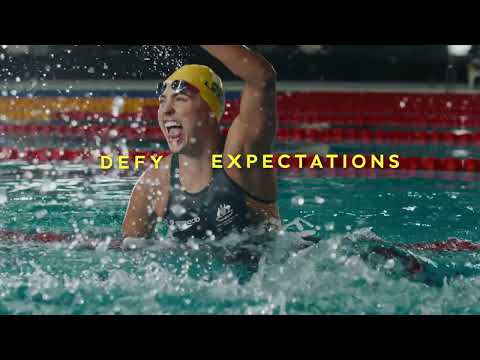
Incredibly, not only did Leary defy doctors’ expectations, she vastly exceeded them. Less than three years after the accident, she stood vibrantly and triumphantly on the dais at the Paris 2024 Paralympic Games, a gold medal around her neck after winning the 100 metres freestyle S9 in world record time. She later produced a powerhouse finish to anchor Australia’s mixed 4×100 metres medley relay 34 points team to gold and topped off her campaign with silver in the mixed 4×100 metres freestyle relay 34 points.
Para swimming has completely changed my life, not only as an athlete, but as a person.
“I’ve just come so far in life,” Leary said after the Games, where she won the hearts and minds of millions of Australians with her passion and enthusiasm. “Being told three years ago I wouldn’t live … but I am. I proved the world wrong. It was one of the greatest achievements in my life.”
Leary continues to defy limits. Apart from winning a second World Championship as the world’s best S9 women’s freestyle swimmer, she has become a spokesperson for traumatic brain injury awareness, using her platform to share her story, educate others and promote understanding about the invisible disability.
“Para swimming has completely changed my life, not only as an athlete, but as a person,” Leary said.
“It has given me a sense of purpose and confidence. I’ve built resilience by pushing through challenges, both in and out of the water. It’s shown me that no challenge is too big to overcome.”