THE START LINE
Your Para Sport Journey
Begins Here

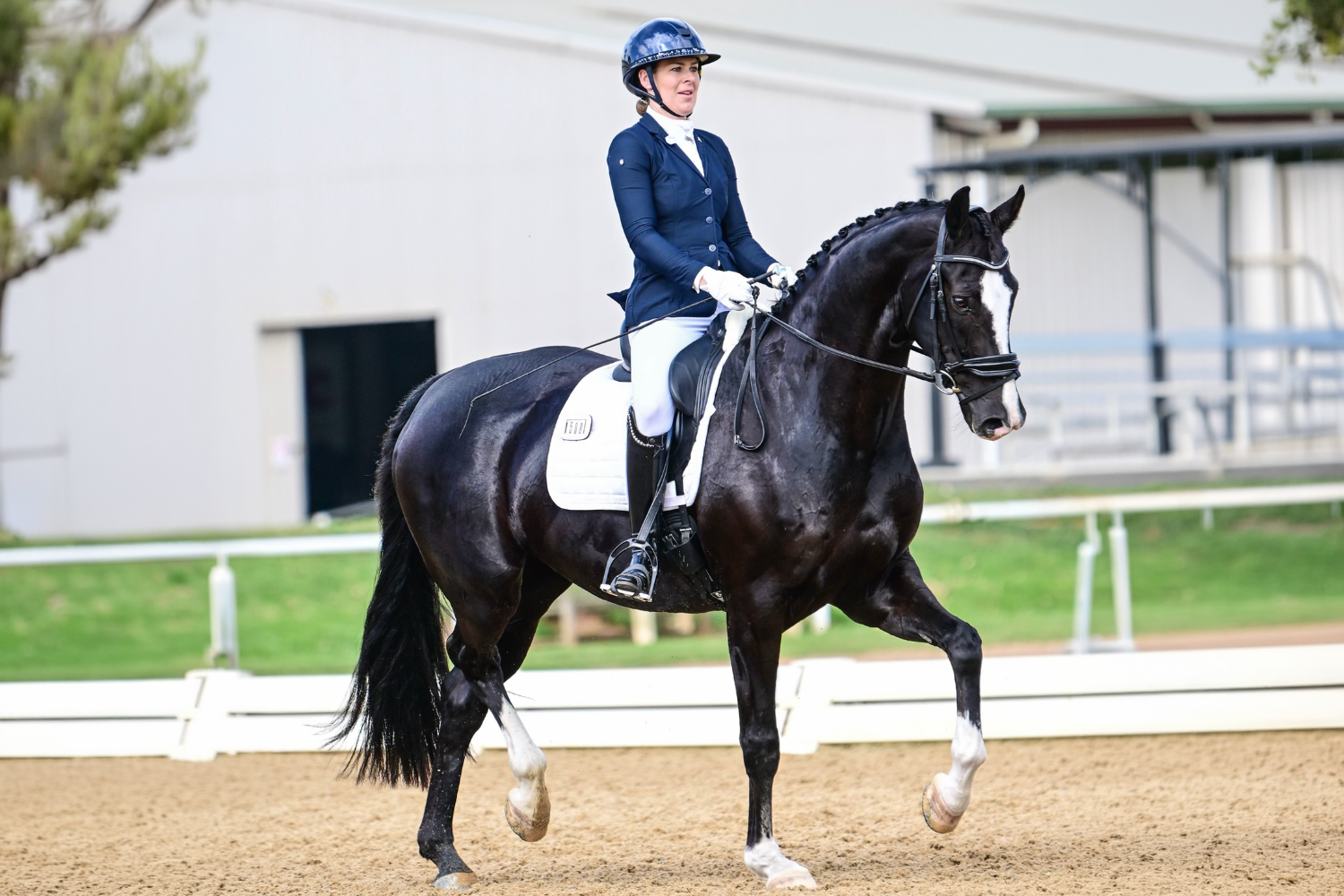
Training as an osteopath taught Mietta Innes-Irons about the mechanics, compensations and subtle changes that govern body movement.
It’s knowledge she now takes into the Para equestrian arena, where success is built upon precision, timing and trust – essentially, the silent conversation between horse and rider.
Innes-Irons’ understanding of osteopathy has become the vernacular of a remarkable journey that began with a childhood love of horses, was forever altered by two life-changing spinal cord injuries and is about to bring her to the world stage.
The talented rider is set for her international equestrian debut at the FEI Para Dressage World Championships in Aachen, Germany, from August 19 to 23.
Held every four years, the World Championships is the pinnacle of Para equestrian outside the Paralympic Games, where the world’s best riders contest individual, team and freestyle events.
I feel completely free when I’m on a horse. It’s the only time where I feel like I can move freely. It’s the only time that I’m not in pain. I watch people and constantly read their bodies.
“You’ve got this beautiful animal carrying you around… I feel completely free when I’m on a horse,” Innes-Irons said.
“It’s the only time where I feel like I can move freely. It’s the only time that I’m not in pain.”
“I watch people and constantly read their bodies.”
Innes-Irons’ pathway to the World Championships started at age four, when her request of Santa Claus for a pony was granted. She progressed through Victoria’s junior eventing competitions, ever captivated by the partnership between horse and rider.
In 2017, while preparing one of her eventing horses, a freak accident caused her a catastrophic spinal cord injury. Years of pain and intensive rehabilitation followed.
Against expectations, she regained most of her function, returned to university and eventually found her way back into the saddle. Then, just as she had begun to rebuild a sense of normality, another inexplicable setback occurred.
In 2021, an accidental electric shock travelled through her implanted spinal cord stimulator, causing further damage to her spinal cord and nervous system.
Once again, Innes-Irons faced the task of rebuilding a life she had already fought so hard to reclaim.
I can’t let this defeat me.
“I think it’s incredibly unfair what’s happened to me, but I’ve got into the mindset of, ‘Yes, this terrible thing has happened, but you’ve got to make something positive out of it’,” she said.
“I can’t let this defeat me.”
Rebuilding her life – twice – required an intimate understanding of her own body, which ultimately led her to osteopathy, first suggested to her as a career option by her mother.
“I really found it quite interesting, the whole treatment process and how they were able to help me,” she said.
Innes-Irons’ five-year master’s degree in osteopathic medicine stretched across a decade as repeated injuries forced her to defer her studies.
As part of her clinical training, unable to physically treat patients because of her disability, she would direct treatments through another osteopath who became, as she described it, “my hands.”
“I had to tell her what to do, how to treat the patient. It was incredibly hard to learn to work with someone and how to treat someone without actually feeling what you were treating.
“But I refused not to get it done. Even though it was very difficult, I still made it happen.”
Now qualified, Innes-Irons aims to combine her clinical training with personal experience to support people living with complex injuries.
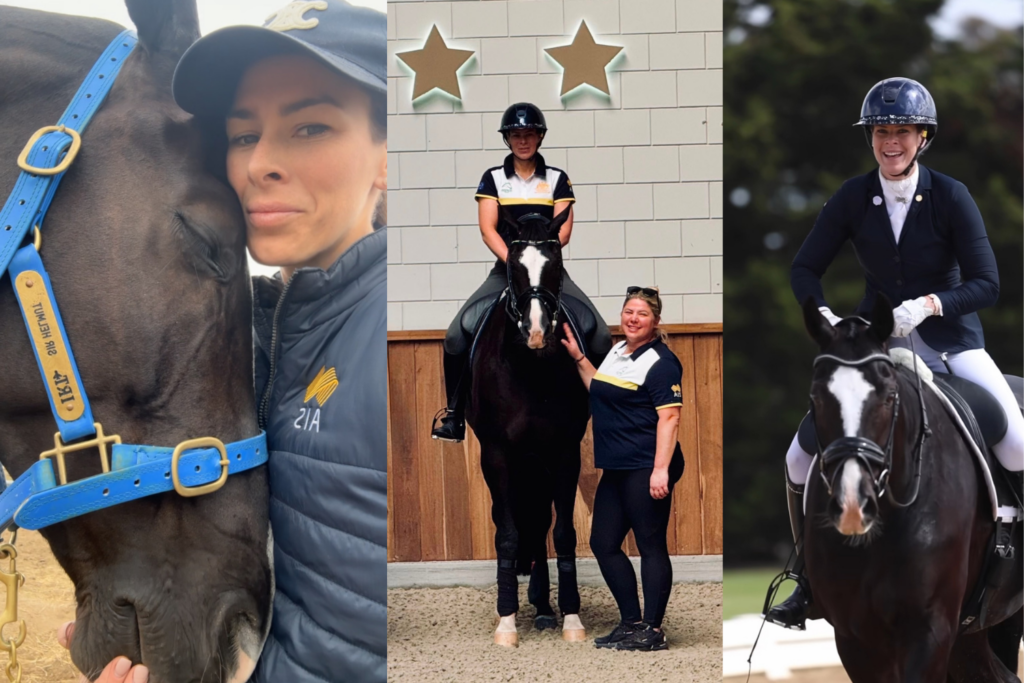
“I watch people and constantly read their bodies,” she said.
“It frustrates me because I know how my body has to move and it doesn’t do that very well at times.
“It’s made me understand, ‘OK, well, this isn’t working the way it used to. How can I adapt my body to get the best out of my riding?’”
Coach Deon Stokes has watched this biomechanical approach become one of his student’s great strengths.
“When we talk about horses, everyone talks about having an active hind leg and the hind leg pushing and carrying,” Stokes said.
“Mietta’s horse has a very good hind leg, but she was essentially riding him forward and into the ground, which was restricting his shoulder. As soon as I made her aware of that holistically, she was able to change the mentality of what she was doing fairly quickly.
“That’s probably where that biomechanical understanding comes in.”
The horse in question is Helmut, who will carry Innes-Irons into her first World Championships and with whom she has built a strong bond.
I believe by having this trust and this love with him he’s able to give me so much more… I can’t really put into words how much he means to me.
“He actually wasn’t very friendly at all,” she said of their first meeting. “He wasn’t overly trusting when he came to us. But when I went up to him, he put his ears forward and he just started licking me.
“I believe by having this trust and this love with him he’s able to give me so much more and try so much more for me. I can’t really put into words how much he means to me.”
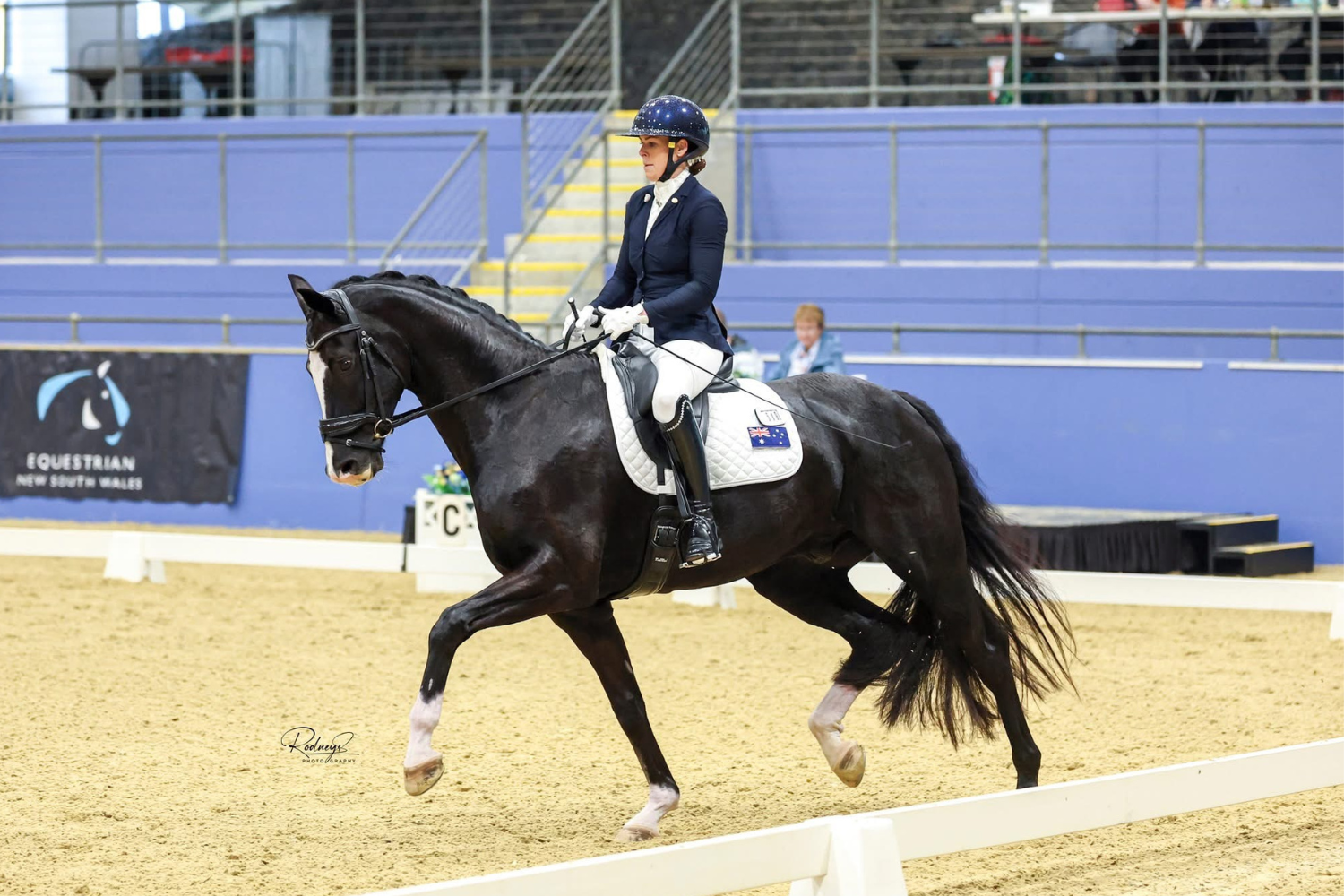
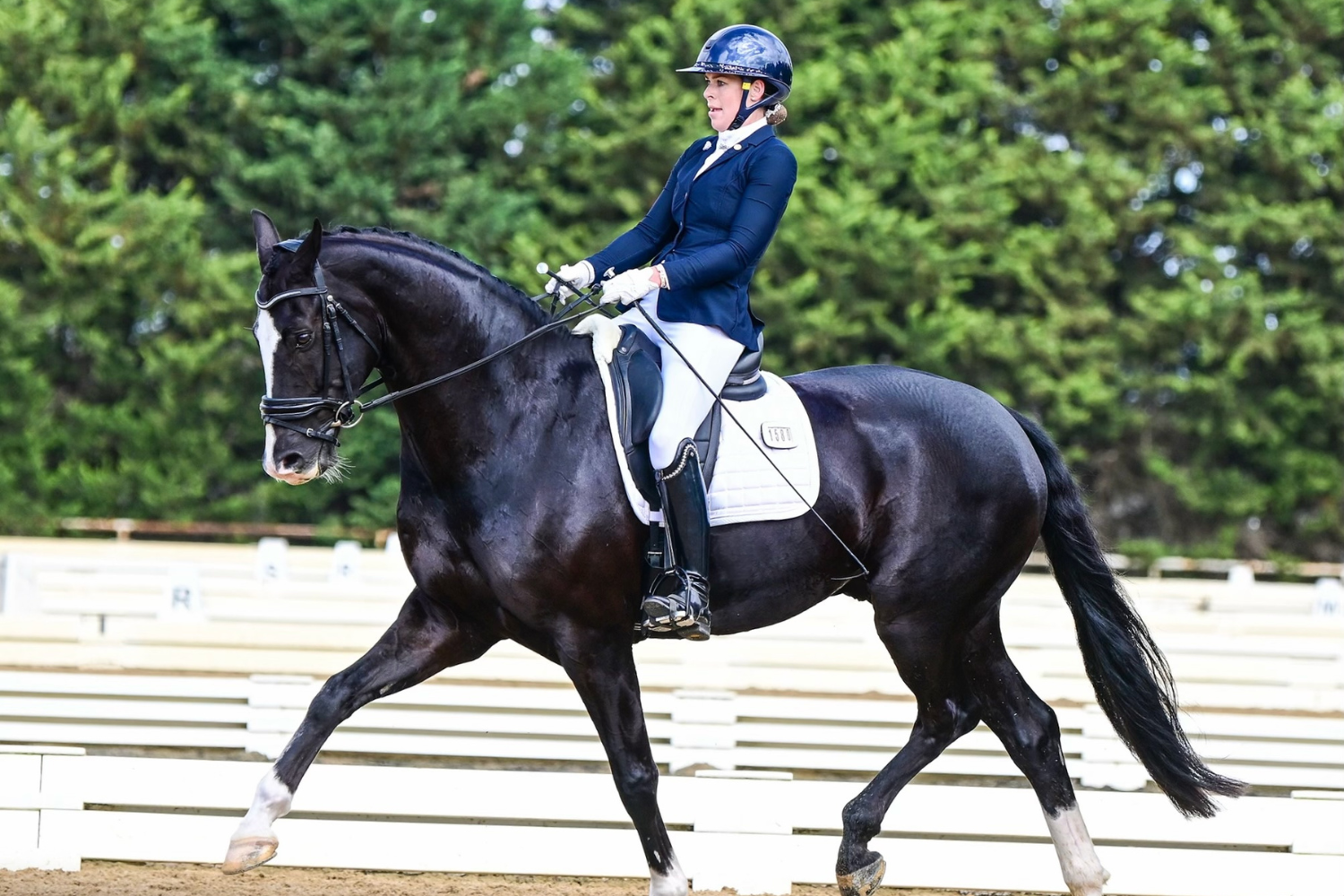
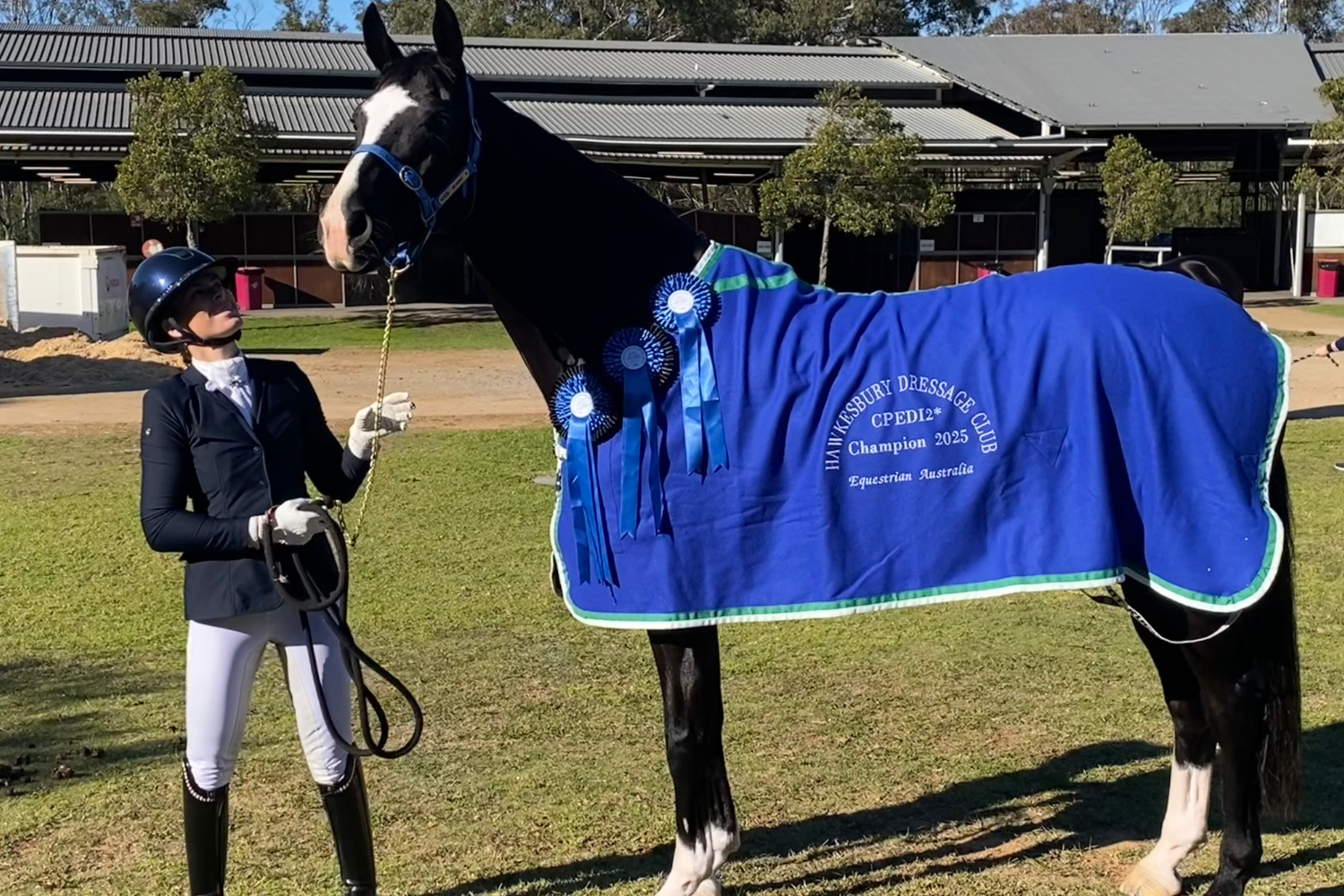
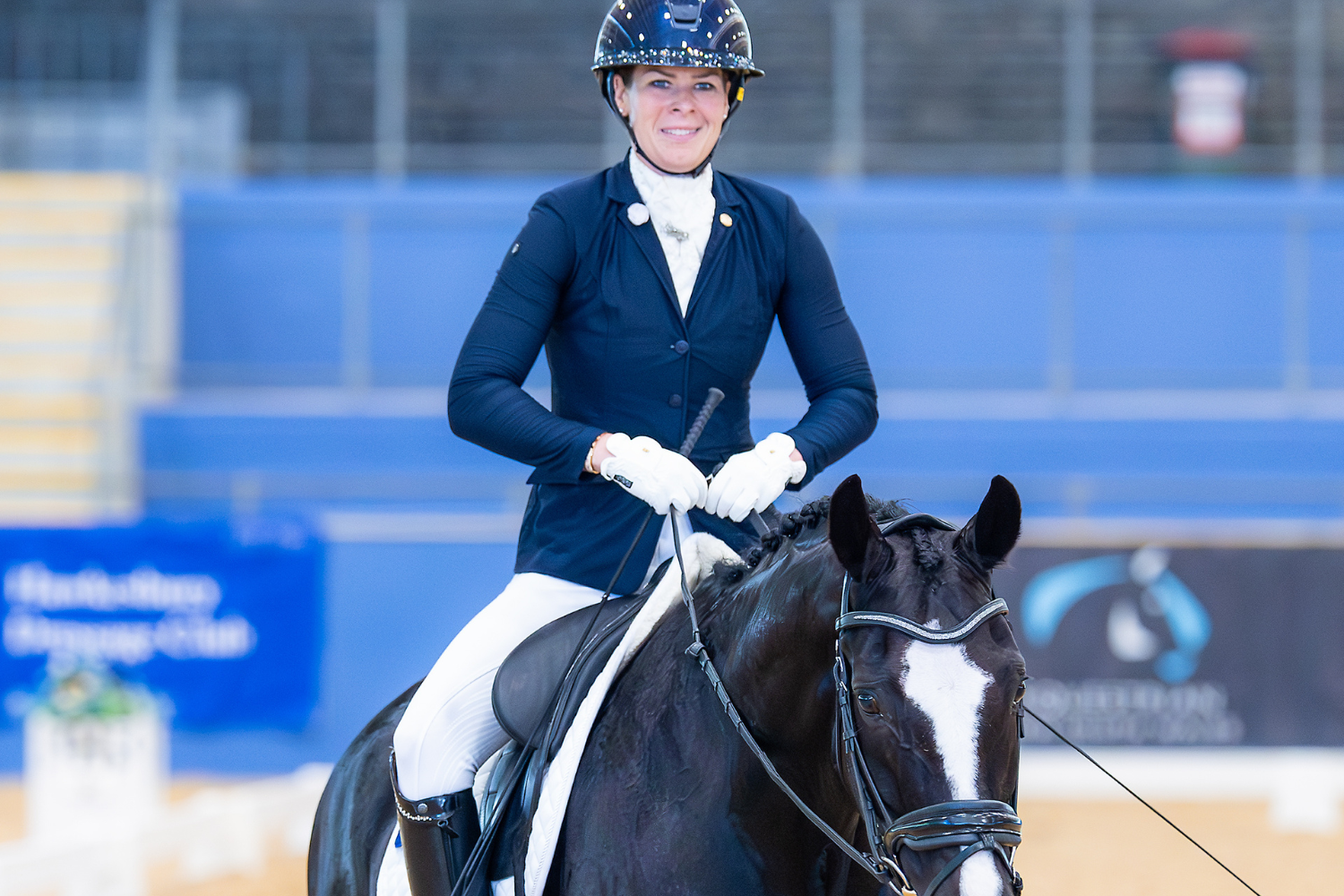
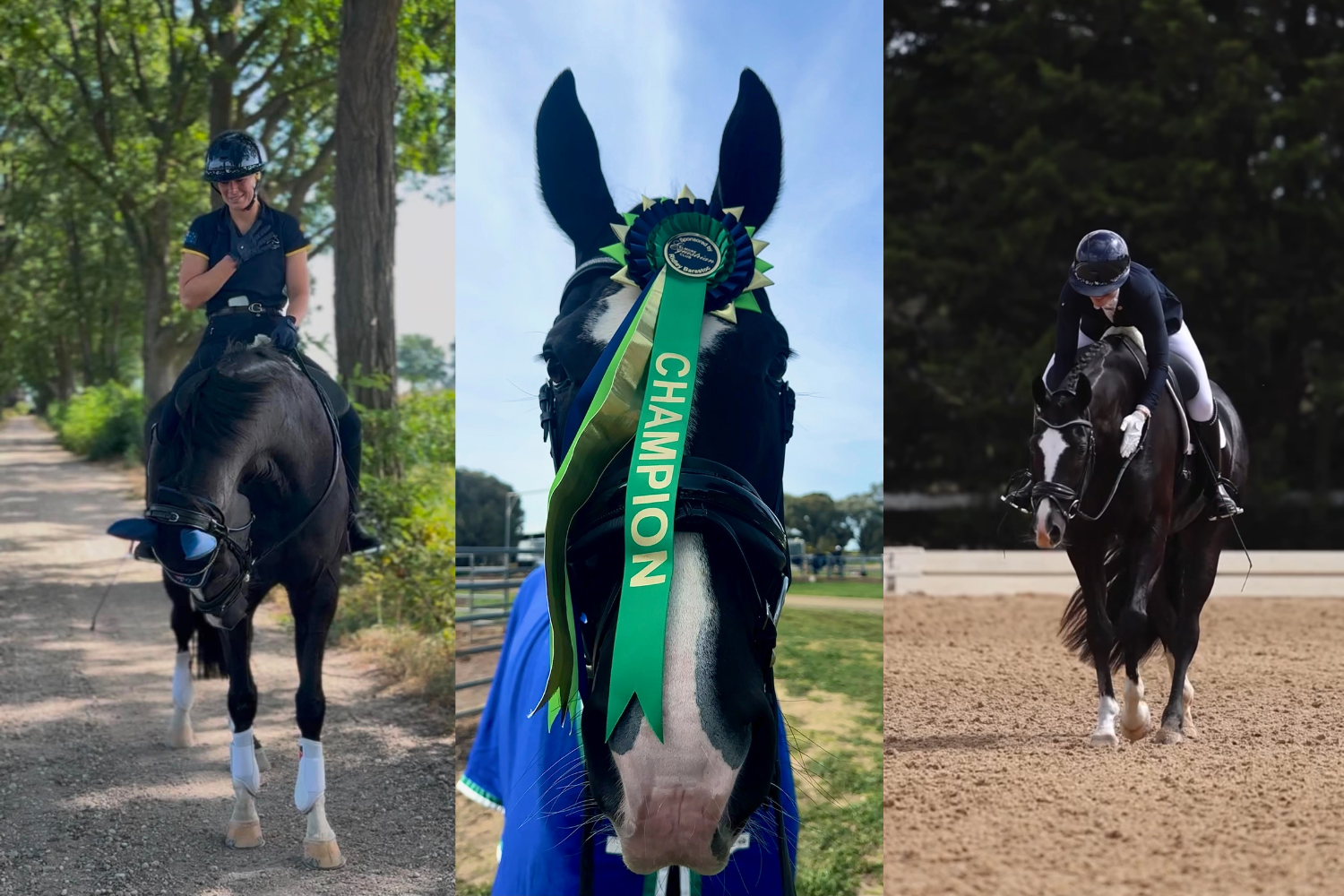
Trust is central to the World Championships campaign. Innes-Irons has relocated and placed her preparation in the hands of Stokes.
“She had a lot of pressure on herself because she had a very good horse and she wasn’t quite achieving the results that she and those around her probably expected,” Stokes said.
“Coming here, she started to understand that she didn’t have to do it on her own. We created a team environment where, when she was getting a little bit off track with her mindset or her focus, we could bring her back to the things we could control.”
The results are beginning to show.
“I want to ride a mistake-free test,” she said of her goals for the World Championships.
“I want him to be relaxed. I want the feeling of him carrying me throughout that test. That we can have a harmony together.”
To Stokes, the Championships is not a measure of Innes-Irons’ ceiling. Rather, it’s a pointer towards potentially competing at the Paralympic Games.
“I think we’re very well prepared for this World Championships under the time restrictions we’ve had,” he said.
“But going forward to LA 2028, we have a lot more time to consolidate and fine tune the foundations we’ve set.”
Your Para Sport Journey
Begins Here
Paralympics Australia is only able to continue doing its work driving the Paralympic Movement forward in Australia because of the generous support it receives from Government, Corporate Partners and donors.
The focus continues to be on delivering teams to each Summer and Winter Paralympic Games and supporting Para athletes as they enter and progress through the Para sport system and into their post-sporting careers.

"*" indicates required fields