THE START LINE
Your Para Sport Journey
Begins Here

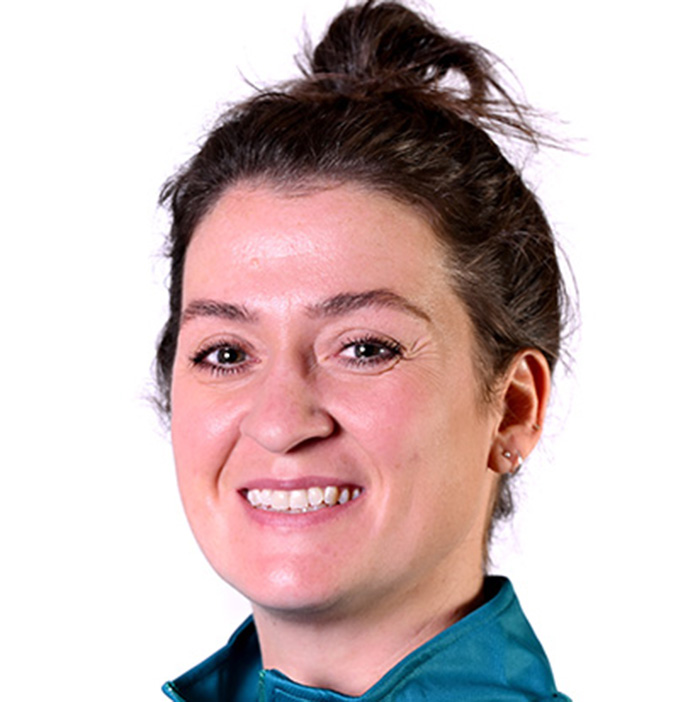
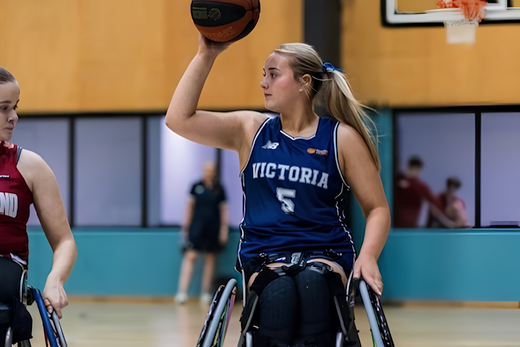
Three years after attending the Victorian Paediatric Rehabilitation Service (VPRS) and Paralympics Australia adaptive sport program as a frightened teenager adjusting to life with a sudden spinal cord injury, Harriet Caldwell returned last week with a very different purpose
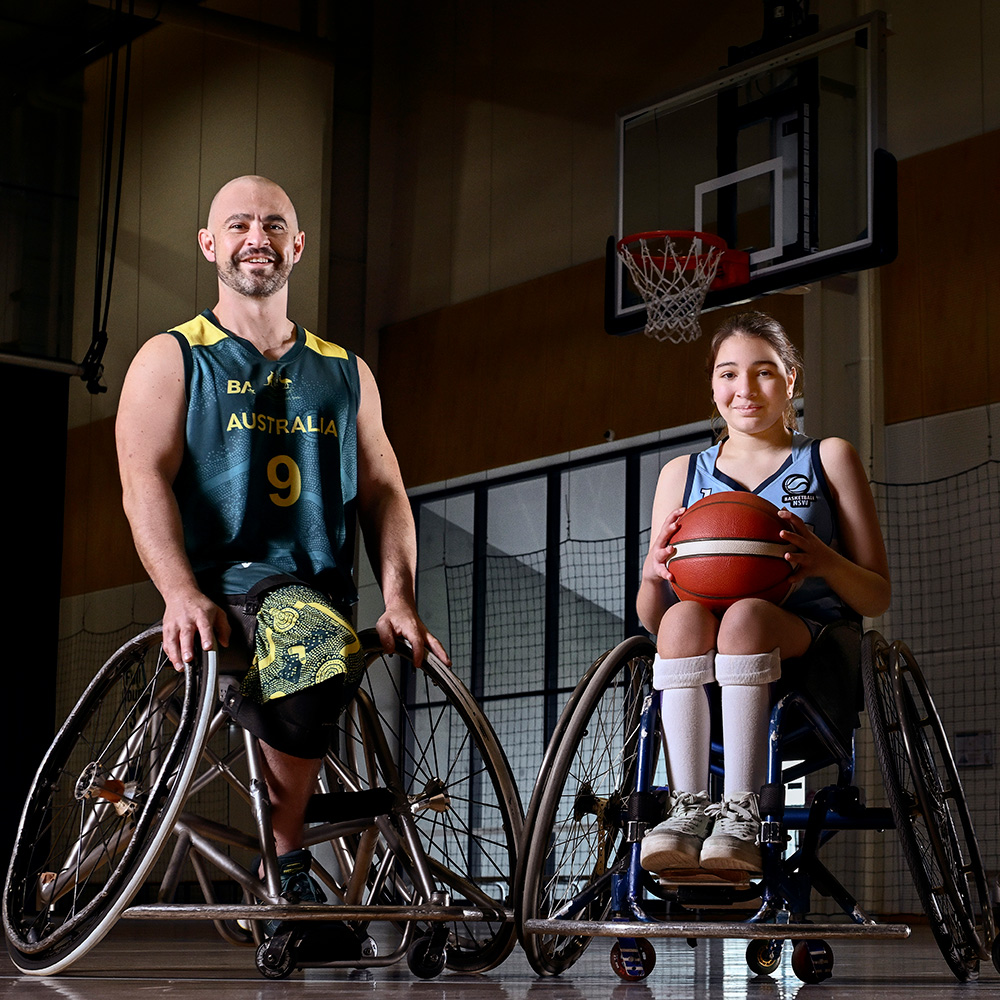
No longer the participant searching for hope, the 16-year-old wheelchair basketballer spent the day encouraging children and families taking their own first steps into disability sport as a peer mentor.
For Harriet, it was a full-circle moment.
The last time she had stood on a basketball court, she didn’t know it would be the last time.
The then-13-year-old basketballer from Bendigo had been stretching before training when she felt a sudden “pop” in her back, collapsed to the floor and became immediately paralysed from the waist down.
Doctors at Melbourne’s Royal Children’s Hospital would later diagnose Harriet with an extraordinarily rare spinal cord stroke, only the third case of its kind they had encountered in 20 years.
Overnight, the Caldwells became a family trying desperately not to look too far ahead.
Three years later, Harriet returned to the very program that helped her begin rebuilding after the shock of sudden disability – this time as a peer mentor for children and families taking those same uncertain first steps.
A partnership between Paralympics Australia and the Victorian Paediatric Rehabilitation Service (VPRS) will once again deliver a school holiday adaptive sport program this July, helping children with a disability and their families discover pathways into Para sport, connection and community.
“All the tests, scans, machines and so many doctors and nurses constantly coming into my room trying to diagnose why I was suddenly paralysed from my waist down,” Harriet recalls. “And a massive fear of it all.”
For her mother, Rhiann, those days were defined by shock and the disorienting reality of trauma.
“My body was overridden with uncertainty and fear,” she says. “We had to remind ourselves every day not to think too far ahead and take it one day at a time.
“We really had to dig deep to stay positive, to give Harriet every bit of hope we could and to keep her happy – even though the reality of her future, and ours, felt utterly devastating after the doctors told her she would never walk again.”
Harriet and her family had never known anyone with a disability before. Suddenly, they were thrust into an unfamiliar world of rehabilitation, wheelchairs and conversations about a future they were struggling to comprehend.
At first, even conversations about wheelchair basketball felt too overwhelming to entertain.
I realised life just had a new normal now. Being surrounded by people – all with a story about their disability yet still having fun and playing sport – and incredibly skilled too.
“We all just wanted me to get back to able-bodied basketball,” Harriet says. “We couldn’t grasp tomorrow, next week, let alone any further down the track.”
It was Harriet’s physiotherapist at Melbourne’s Royal Children’s Hospital, Nathan Zuzic, who encouraged her to attend the VPRS and Paralympics Australia school holiday program.
Held four times a year, the program gives children with disability and their families a gentle way into Para sport, offering the reassurance of clinical support, the confidence of adaptive equipment and the connection that comes from meeting others on a similar path.
It wasn’t an easy decision.
“I was so nervous and almost didn’t come,” Harriet says.
Zuzic remembers just how reluctant Harriet was.
“She was headstrong against ever being seen in a wheelchair, both at school and in the community,” he says. “It took a lot of encouragement and a trusting relationship to help her take that first step.”
But at the first session, something changed.
For the first time since her injury, Harriet saw young people with disability playing sport, laughing, competing and moving with confidence. She met people who understood her experience without needing it explained.
“I realised life just had a new normal now,” Harriet says. “Being surrounded by people – all with a story about their disability yet still having fun and playing sport – and incredibly skilled too.”
For Zuzic, the speed of Harriet’s transformation reflected sport’s ability to restore what injury had threatened to take.
“Very quickly, people saw Harriet not as someone with a new disability, but as someone with enormous ability,” he says. “It created a new hope, inspiration and purpose that she didn’t have before.”
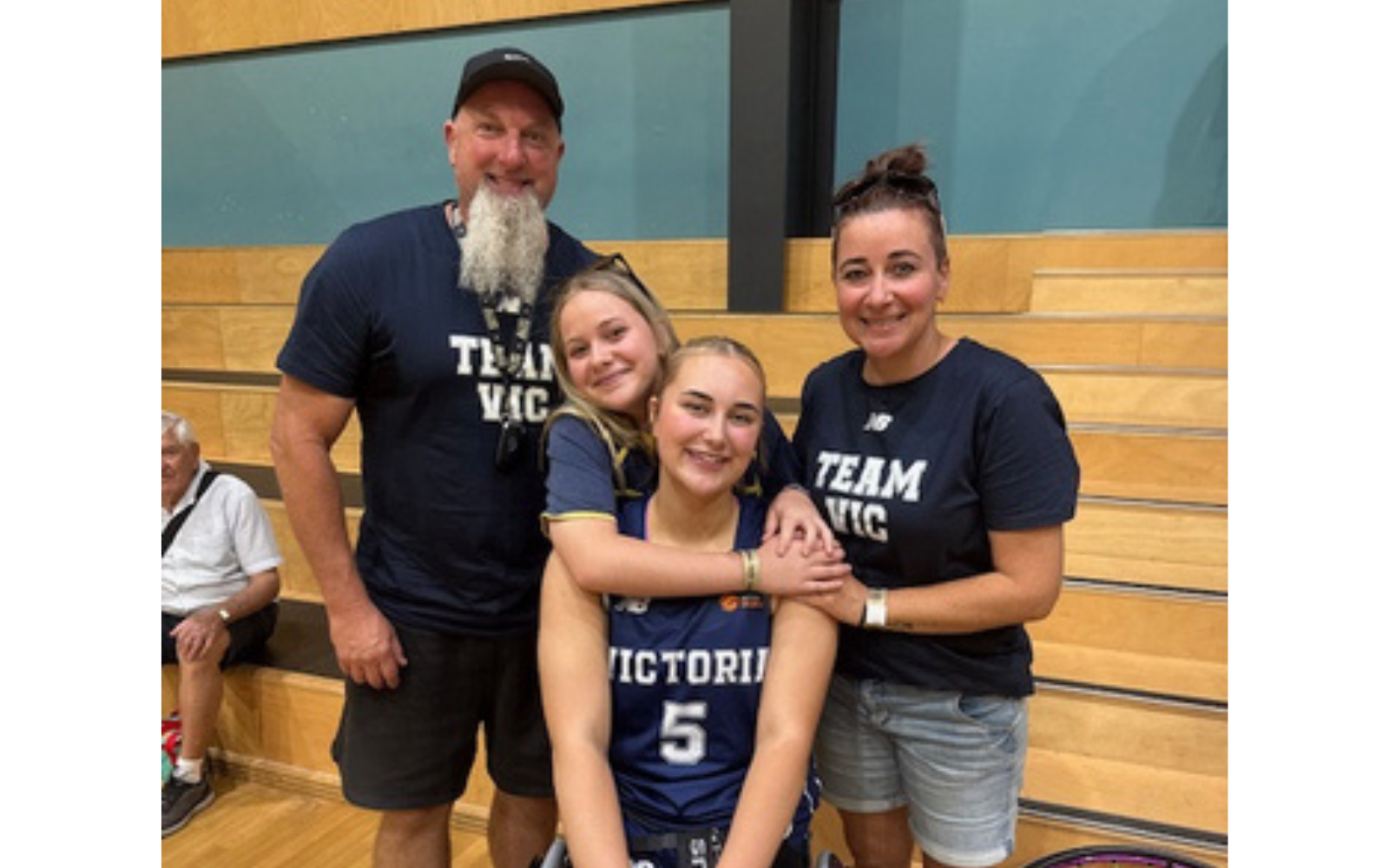
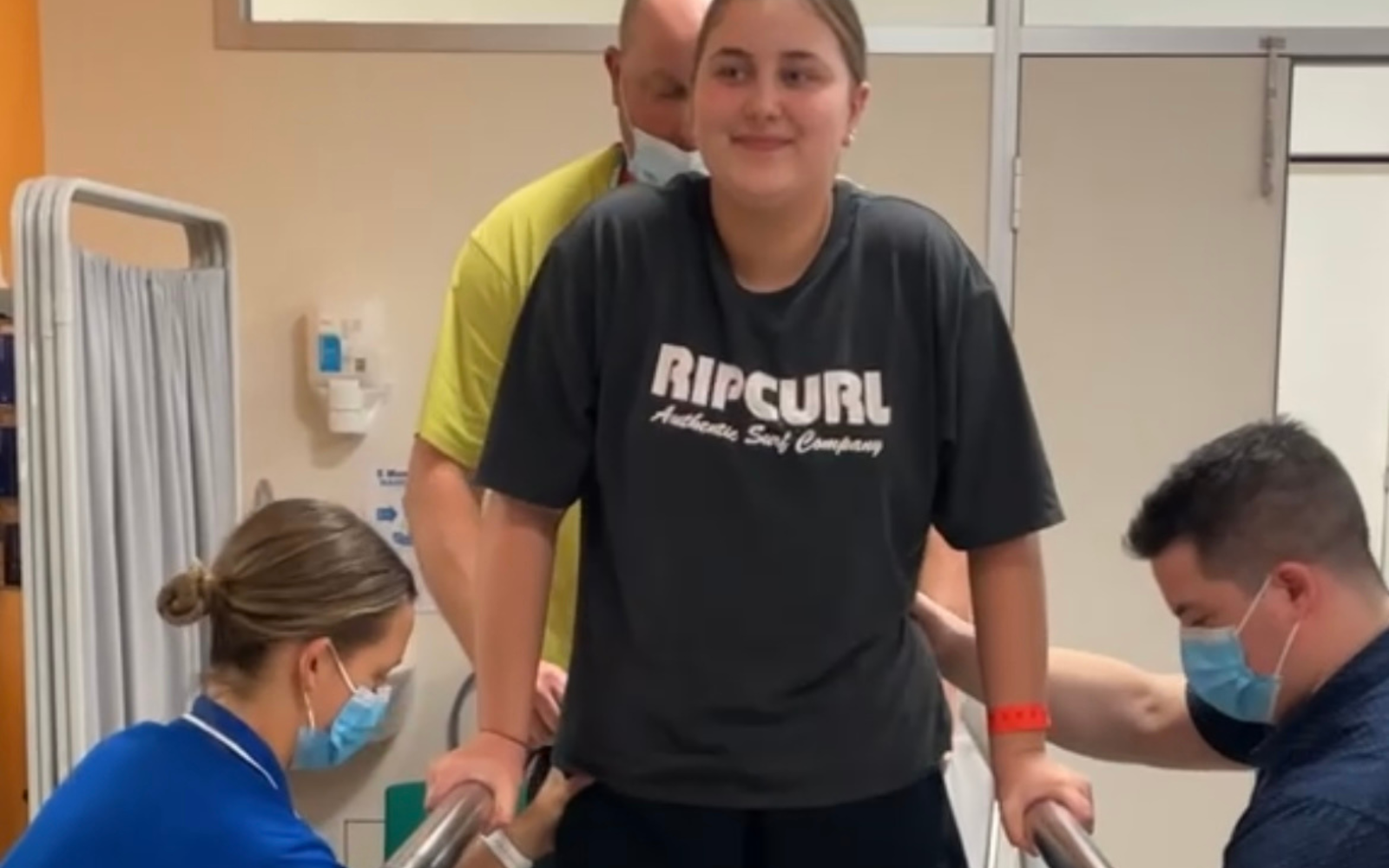
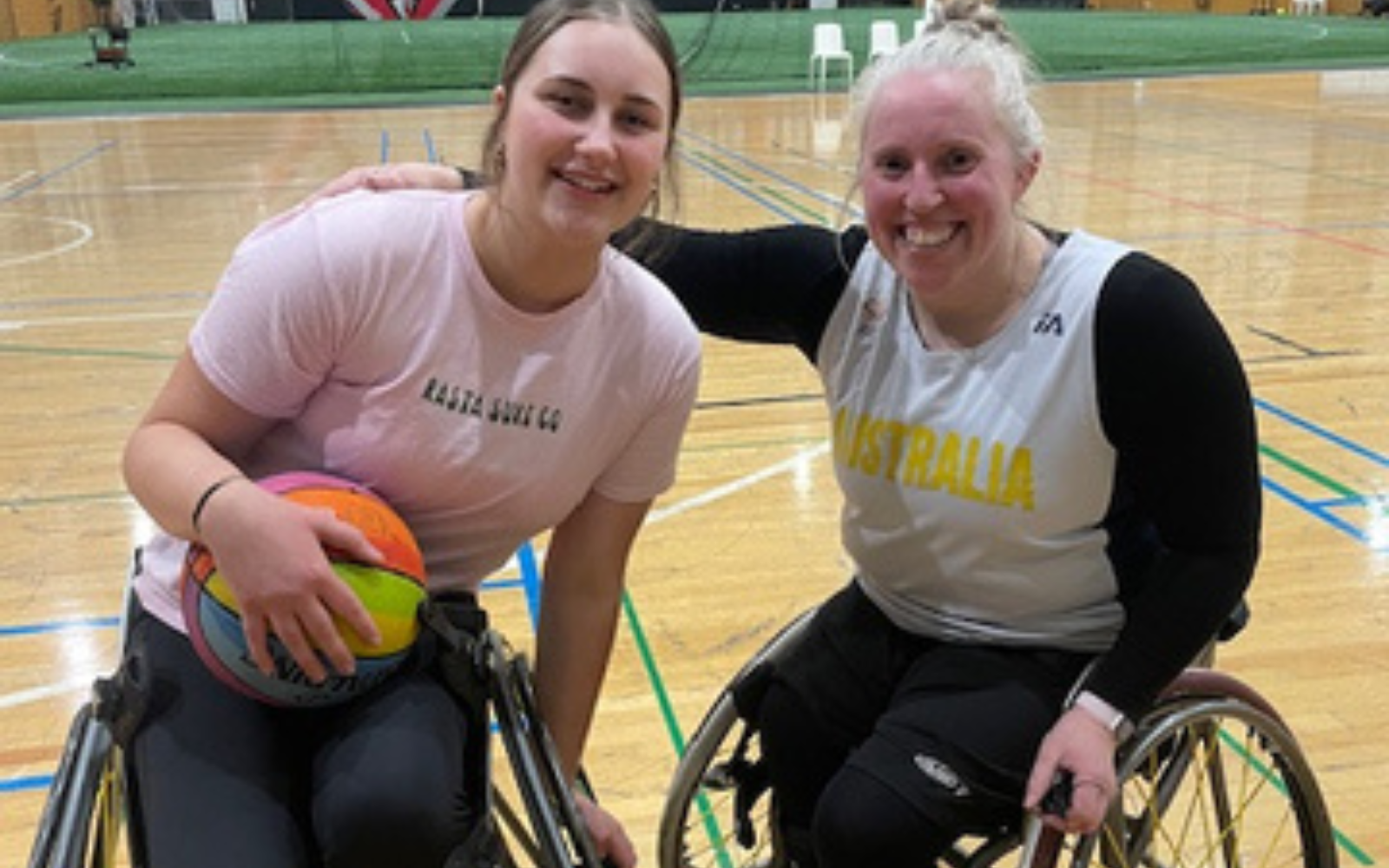
Her mother noticed the change too.
“It was the smile,” Rhiann says. “Relief, yet disbelief, watching her do her thing again. Yes, it looks different, but my gosh she has fun doing it.”
“Wheelchair basketball was a turning point,” Rhiann says. “She immediately felt part of a bigger picture and with that came a radical acceptance of her disability, loads of happiness and confidence that shines through everything she does now.”
Wheelchair basketball did not erase the grief that followed Harriet’s injury, but it brought structure, routine and purpose back into her days.
“This day was the start of what has helped me mentally and physically,” Harriet says. “It’s pretty much given me something to look forward to nearly every day since.
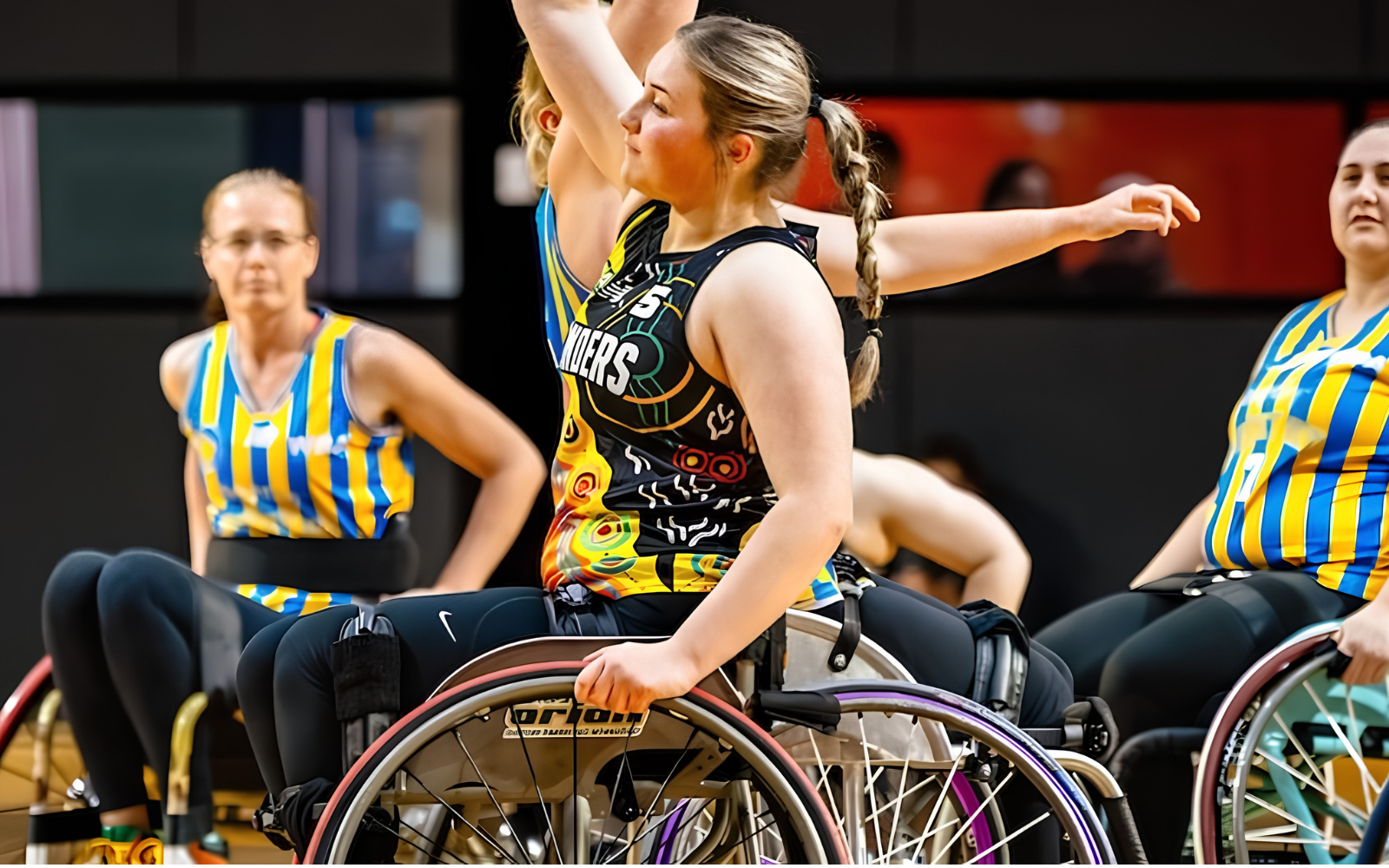
“It’s such a technical sport that requires heaps of coordination – it gave me so much to focus on and learn, and now I think it’s even more fun than normal basketball.”
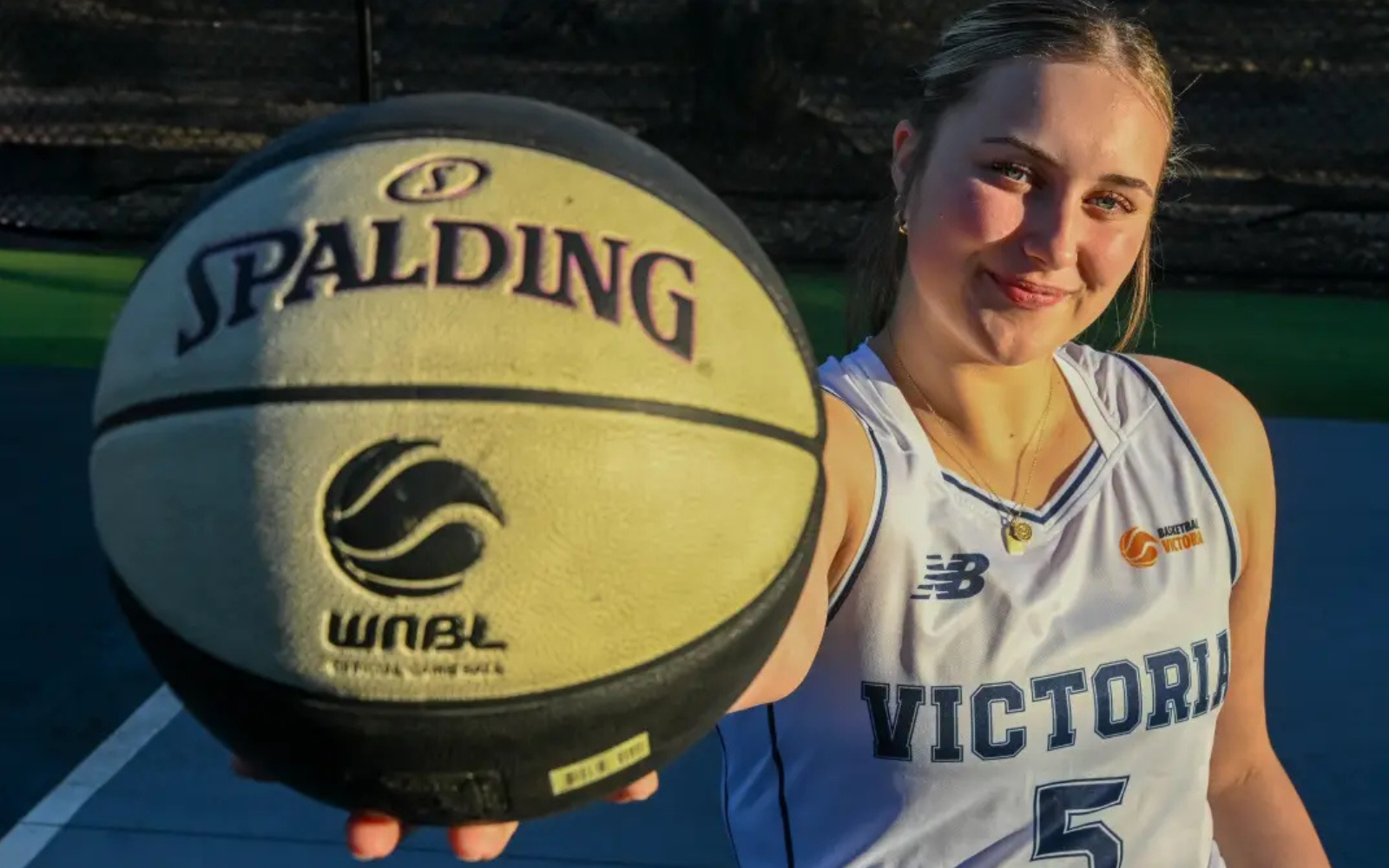
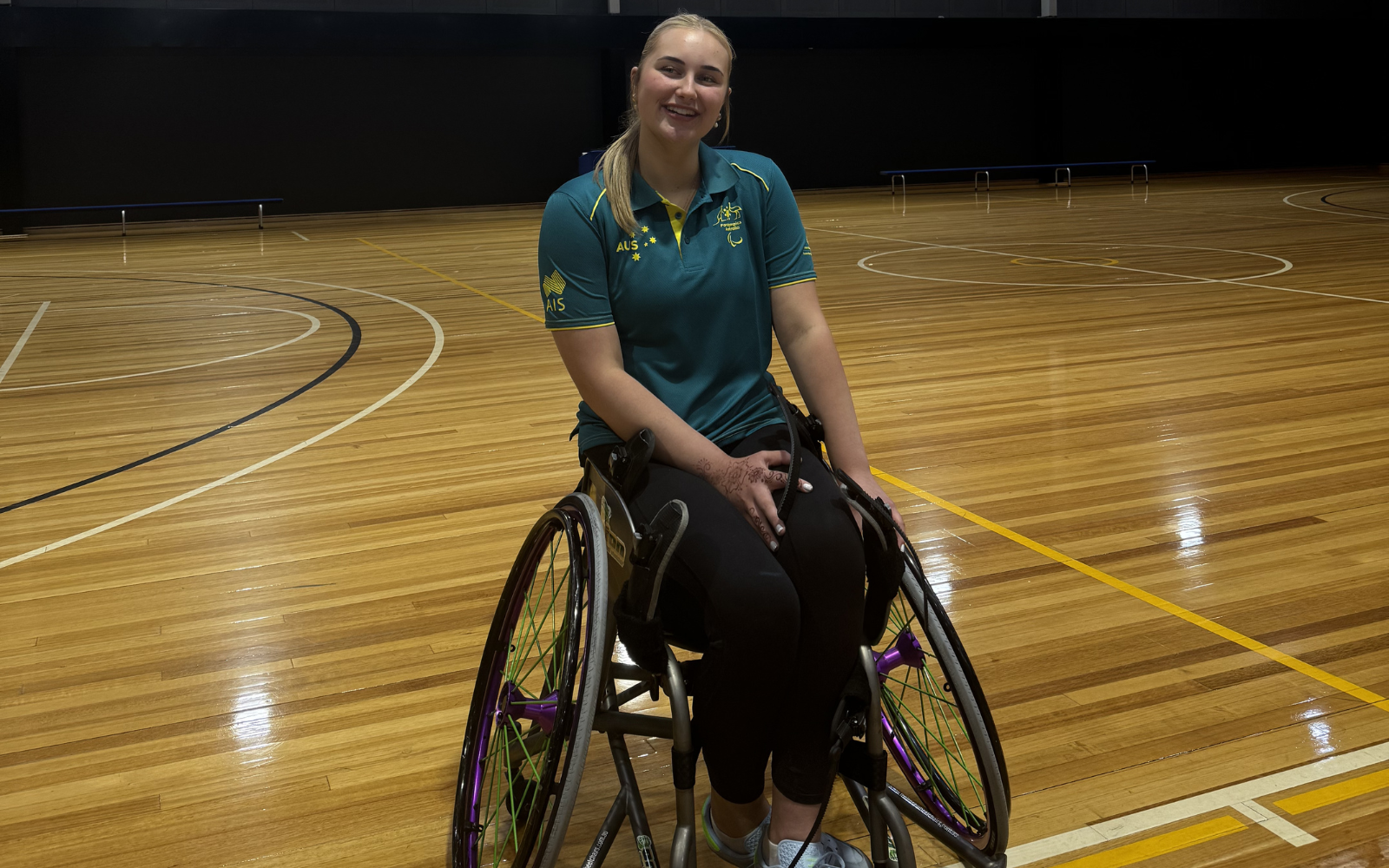
Now 16, Harriet represents Victoria at both junior and senior level in wheelchair basketball and is part of a Basketball Australia high performance pathway, with dreams of one day wearing the green and gold.
“There was a man from Paralympics Australia who noticed I could still shoot accurately from a chair,” Harriet says. “Soon we were put in contact with the Australian coach.”
Returning as a peer mentor, Harriet spent the day encouraging children and families beginning journeys much like her own.
“Coming back as a mentor, I can show them, ‘This was me. I did this, and now I’m here,'” Harriet says.
“I hope children and families can see that life doesn’t have to stop because of disability. There’s a future out there. It’s a whole new life and a different opportunity to what you might have imagined.”
One young participant, Henry, reminded Harriet of herself three years earlier.
“There was a little boy called Henry and everyone was saying, ‘Wow, you’re amazing,'” she says. “He had no idea how good he was. That reminded me of me.
“I didn’t know I was good or had any ability to play wheelchair basketball, but other people saw it.”
For Zuzic, that’s exactly why Harriet’s return matters.
“There’s only so much therapists can say,” he says. “When young people can see someone who’s walked the path before them – someone their own age who’s built friendships, confidence and purpose through sport – that’s incredibly powerful.”
Harriet’s story reflects the blueprint for what the program aims to achieve.
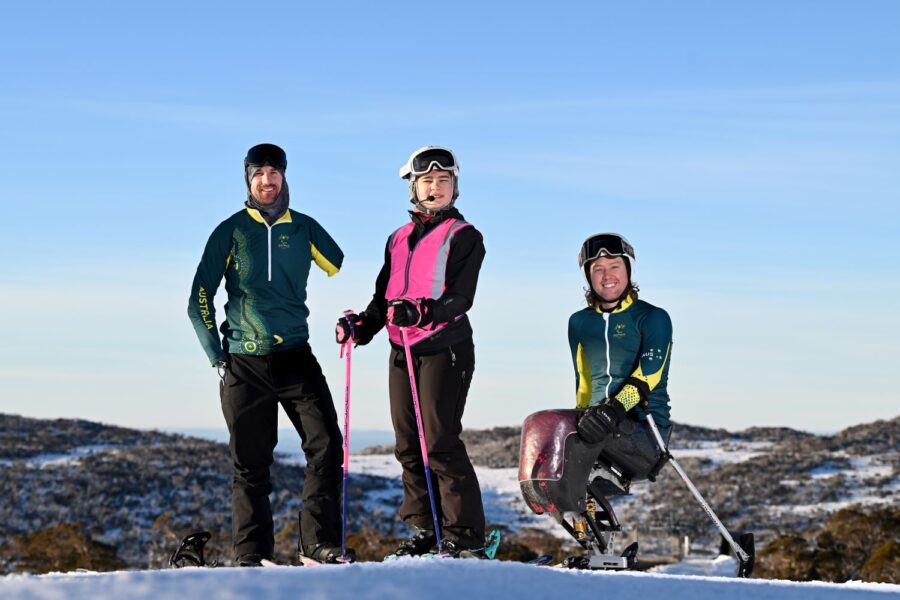
Your Para Sport Journey
Begins Here
“Our goal is to give children a successful first experience of sport,” Zuzic says. “We breakdown those barriers with therapist support, then help connect them with sporting organisations and community opportunities.
“For many families, it’s also the first time they’ve met another child or family with lived experience of disability. That peer support changes people’s perception of what’s possible.”
Rhiann believes those connections transformed Harriet’s outlook.
“Exposure and conversations with helpful, insightful people with lived experience, who wanted to help her, has helped her accept and move forward with a happy and active life,” she says.
As children took their first turns in sports chairs, met athletes and discovered new sports, Harriet saw something familiar in many of their faces.
“When I first came, I looked up to the athletes and thought, ‘That could be me,'” she says.
“Today there were little girls looking at me the same way. It starts for them now. They could go somewhere with sport too.”
To find out more visit: Victorian Paediatric Rehabilitation.
Paralympics Australia is only able to continue doing its work driving the Paralympic Movement forward in Australia because of the generous support it receives from Government, Corporate Partners and donors.
The focus continues to be on delivering teams to each Summer and Winter Paralympic Games and supporting Para athletes as they enter and progress through the Para sport system and into their post-sporting careers.

"*" indicates required fields