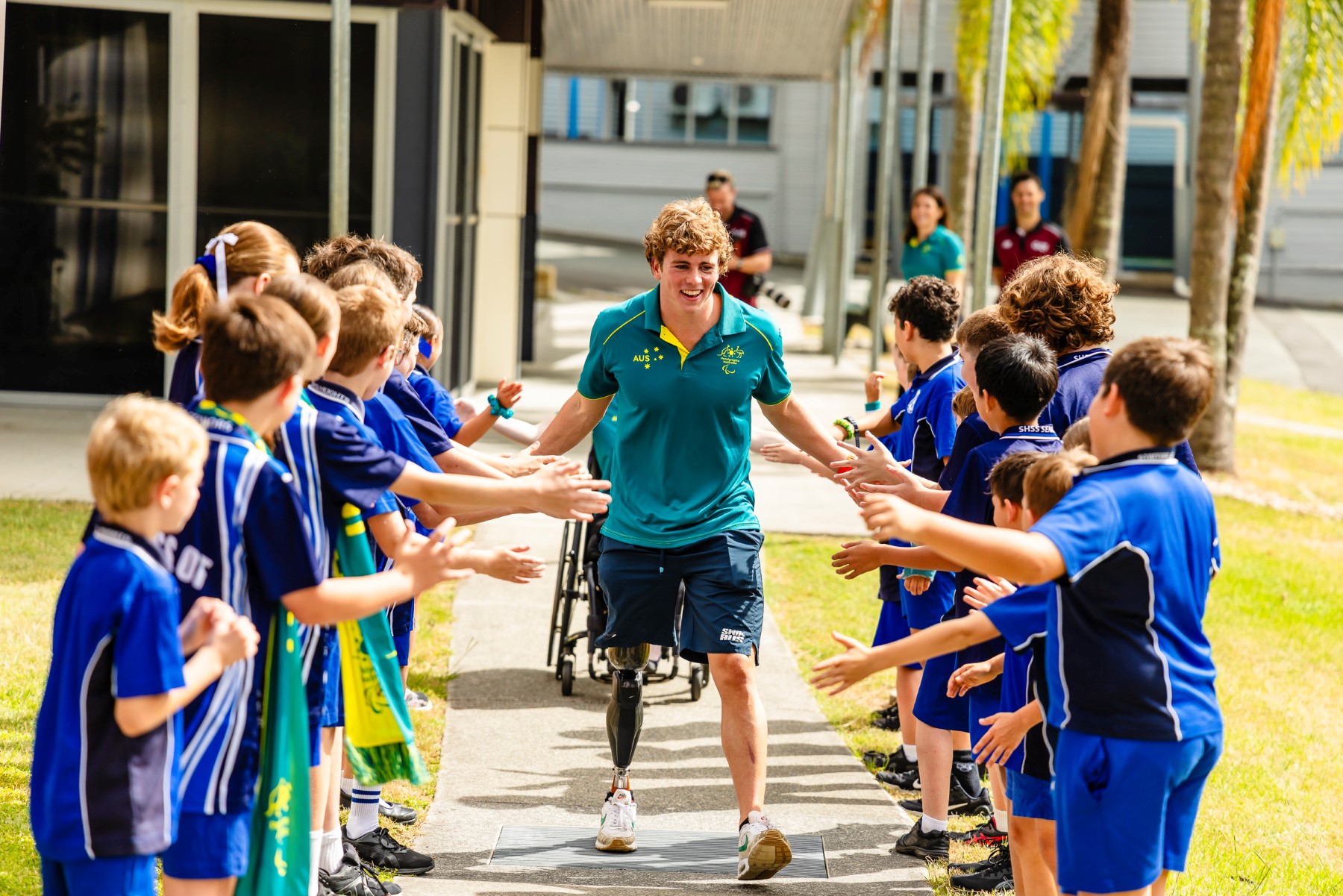
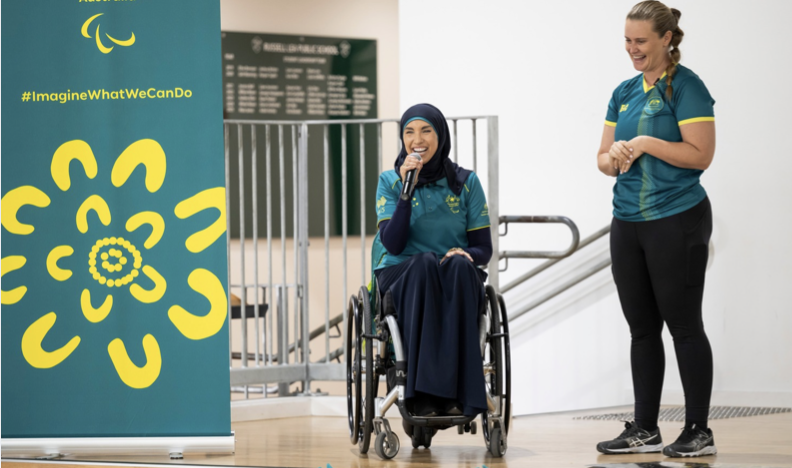
For more than 500 students across north-east Victoria next week, the arrival of Paralympians in their classrooms will mark a different kind of school day. Through honest storytelling and open conversation, students will learn first-hand about disability and inclusion in ways that will leave a lasting impression.
The visits are part of a regional roadshow delivering Paralympics Australia’s Imagine Education Program across Wodonga and surrounding communities from June 9–11, supported by a $20,000 State Trustees grant.
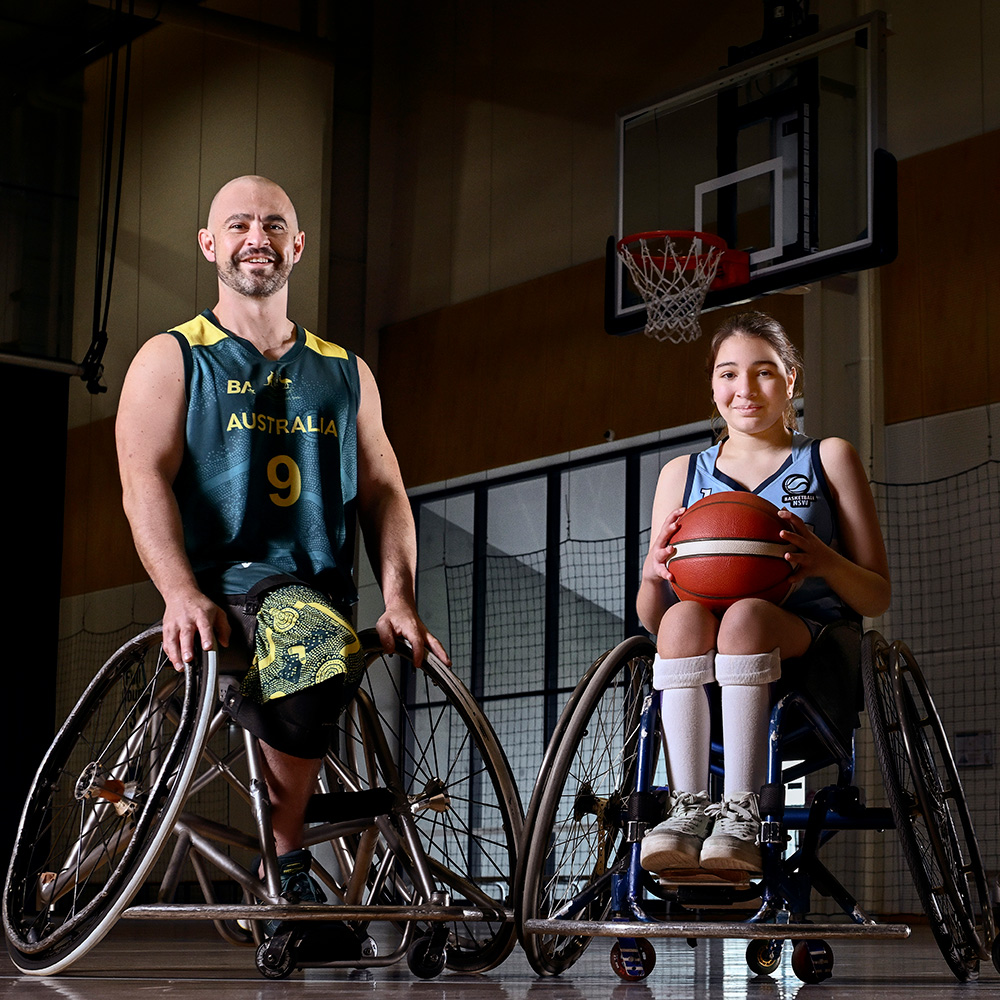
The Imagine Education Program is a curriculum aligned initiative for students in Years 3–6, designed to build understanding of the Paralympic Movement while exploring disability, barriers, inclusion and accessibility through the experiences of Paralympians.
Baranduda Primary School Assistant Principal Jesse Featonby said opportunities like the program helped broaden student understanding of diversity and achievement.
“We want our students to be exposed to the diversity within their community and see that there are many incredible opportunities and achievements available to everyone,” Featonby said.
“We do a lot of work around respectful relationships, inclusion and diversity, but there is real value in hearing directly from people with lived experience.
“It gives students a chance to ask real questions and receive authentic responses, which helps build genuine understanding and appreciation of different experiences.”
Featonby said those conversations are particularly powerful in regional settings.
“We have a number of students with disability, including a student who is vision impaired,” he said.
“Opportunities like this allow students to see people with similar experiences succeeding in a range of fields, which can build confidence, foster a sense of belonging, and inspire them to pursue their own goals.”
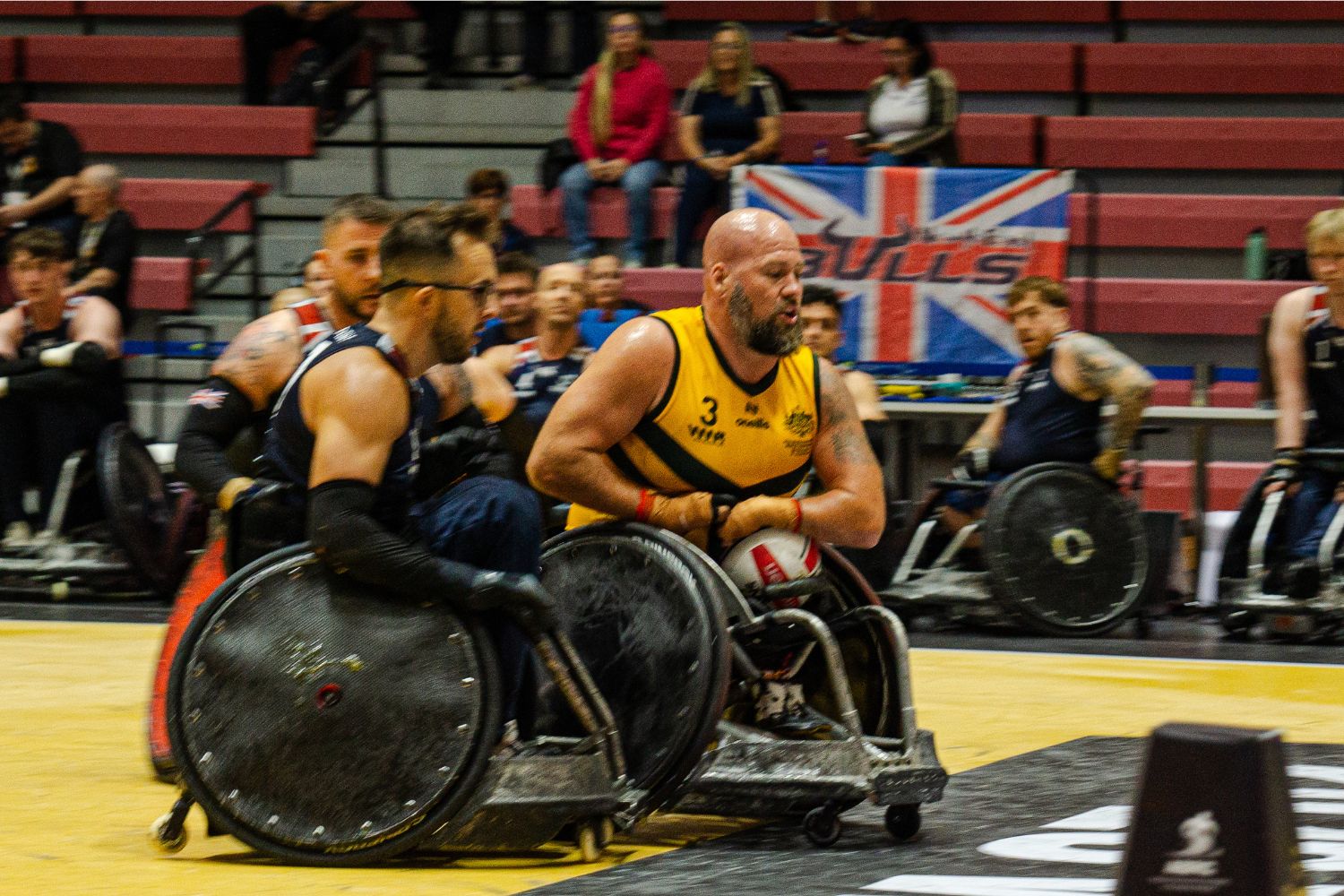
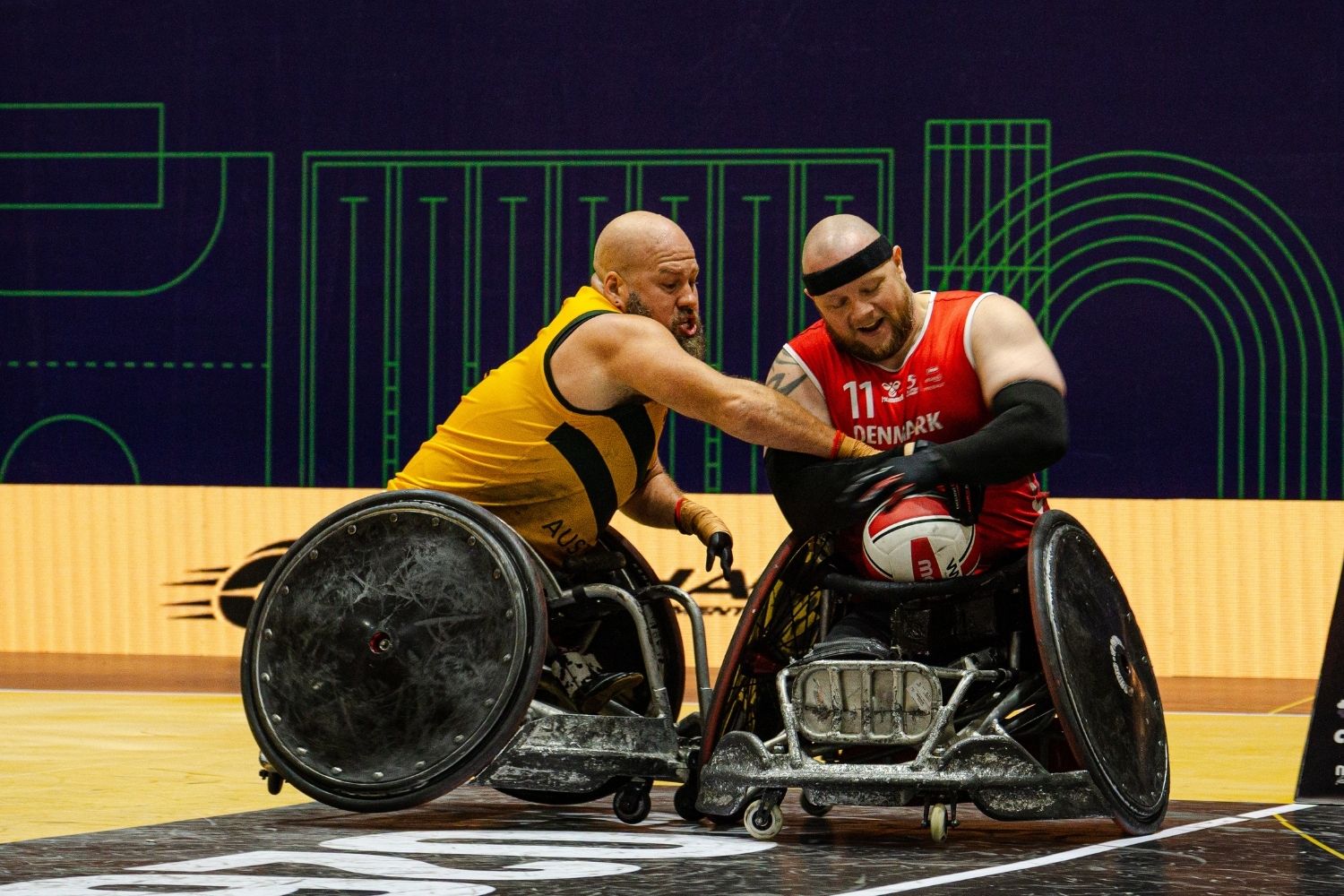
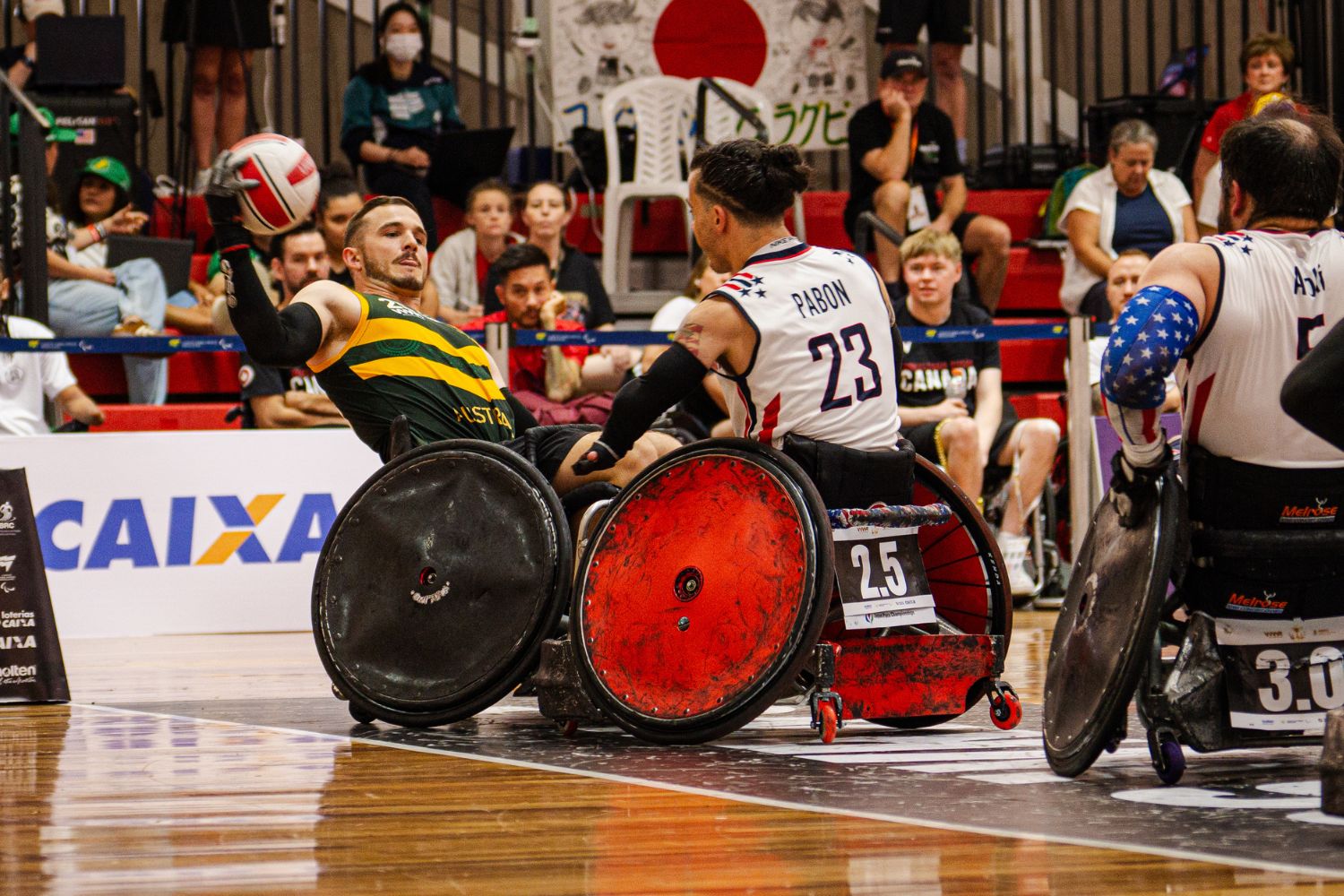
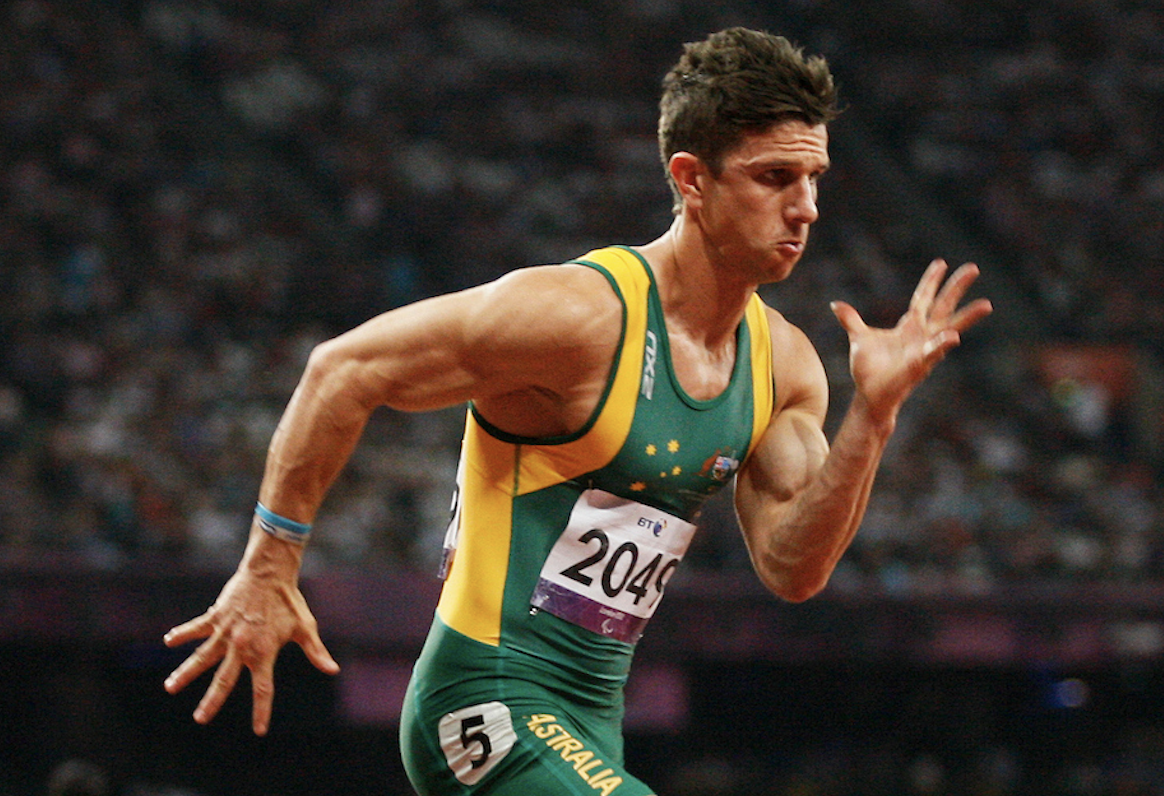
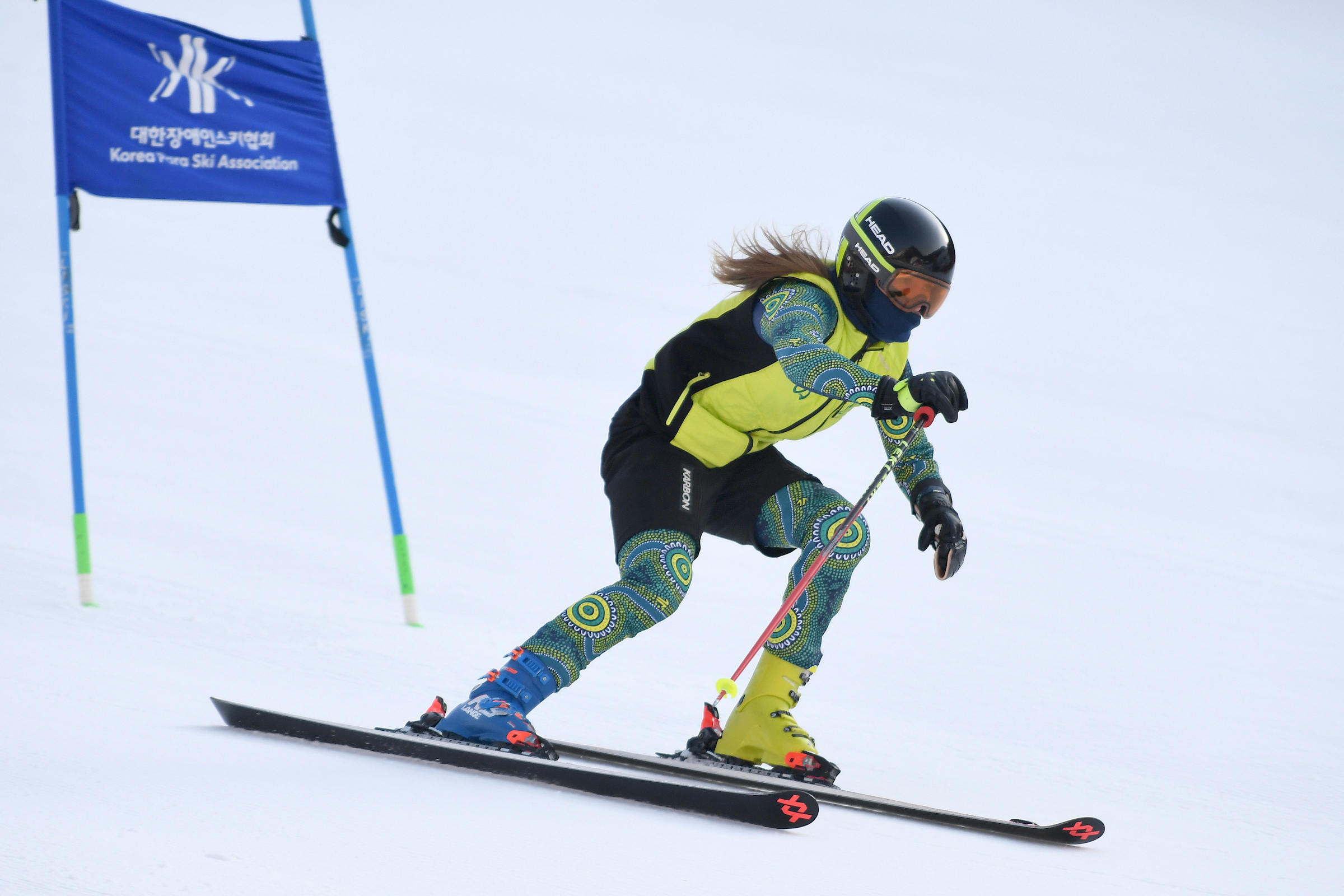
Over three days, Paralympians Rae Anderson and Jack Swift will visit four primary schools across the region, Melrose Primary School, KerribanaPrimary School, Baranduda Primary School and Kiewa Valley Primary School, engaging students through interactive activities, storytelling and open discussion.
Anderson and Swift will encourage students to challenge assumptions, ask thoughtful questions and reflect on their role in shaping more inclusive communities.
Paralympics Australia Chief Executive Officer Cameron Murray said the lasting impact of the program came from genuine human connection.
“One of the most powerful things about the Imagine program is seeing the way young people respond to honest storytelling,” Murray said.
“What makes these visits so powerful is that they create real connection. Students stop seeing disability as something unfamiliar and start seeing the person, their story and the things they have in common.
“Thanks to the support of State Trustees, we’re able to bring those experiences into regional Victorian classrooms and ensure more young Australians have the opportunity to learn directly from Paralympians and lived experience.
“If even one student walks away seeing the world a little differently, thinking more deeply about inclusion, or feeling more confident to be themselves, that’s a powerful outcome.”
Swift said the key message for students was perspective.
“The takeaway is seeing the person first, athlete second and disability third,” Swift said.
Anderson said students often connect most strongly through shared experiences.
“When students hear lived experience directly, barriers can start to disappear,” Anderson said.
The Wodonga roadshow follows a successful Geelong delivery earlier this year and reflects Paralympics Australia’s ongoing commitment to expanding the reach of the Imagine Education Program across Australia.
Click here to find out more about Paralympics Australia’s Imagine Education Program.
By Ashley Gillespie, Paralympics Australia.
Published 5 June, 2026.

"*" indicates required fields