At its core, this story is about more than a young athlete, it’s about a sport on the rise.
Wheelchair fencing in Australia has long flown under the radar, practiced in quiet corners with second or third-hand equipment and few structured opportunities to compete. Visibility and participation were limited, pathways were patchy and athletes had to forge their own way, largely on their own.
Now, supported by emerging pathways and national programs, 14-year-old Matilda Chesterton is among those helping to shape the sport’s future, turning what was once a solitary pursuit into a story of shared growth and ambition.
“This is a really exciting time for wheelchair fencing in Australia,” says Australian Fencing Federation’s High Performance Manager Andrew Weiss. “With increased support, clearer frameworks and growing involvement across the community, the direction we’re heading in is very positive.”
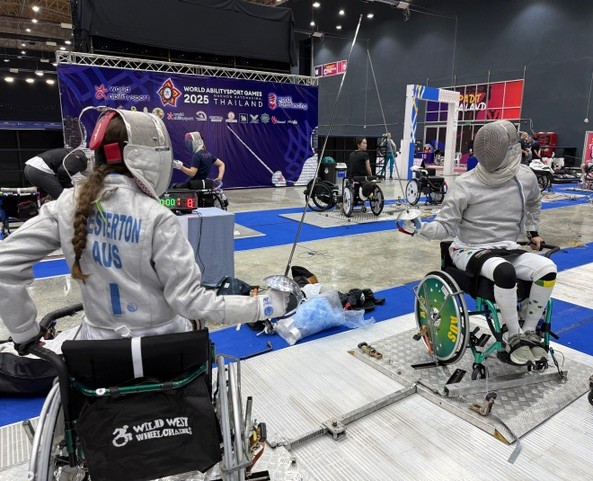
This April marks a milestone, with Para fencers from across the country coming together for the first time at a National Development Camp held in Sydney, followed by Australia’s inaugural Para Fencing Showcase – a significant step towards a more connected, sustainable national pathway.
“It’s a key moment for the program,” Weiss says. “We’ve identified the need for visibility and a genuine competition pathway. This is the first step – from trying the sport, to competing nationally and ultimately preparing for international competition.”
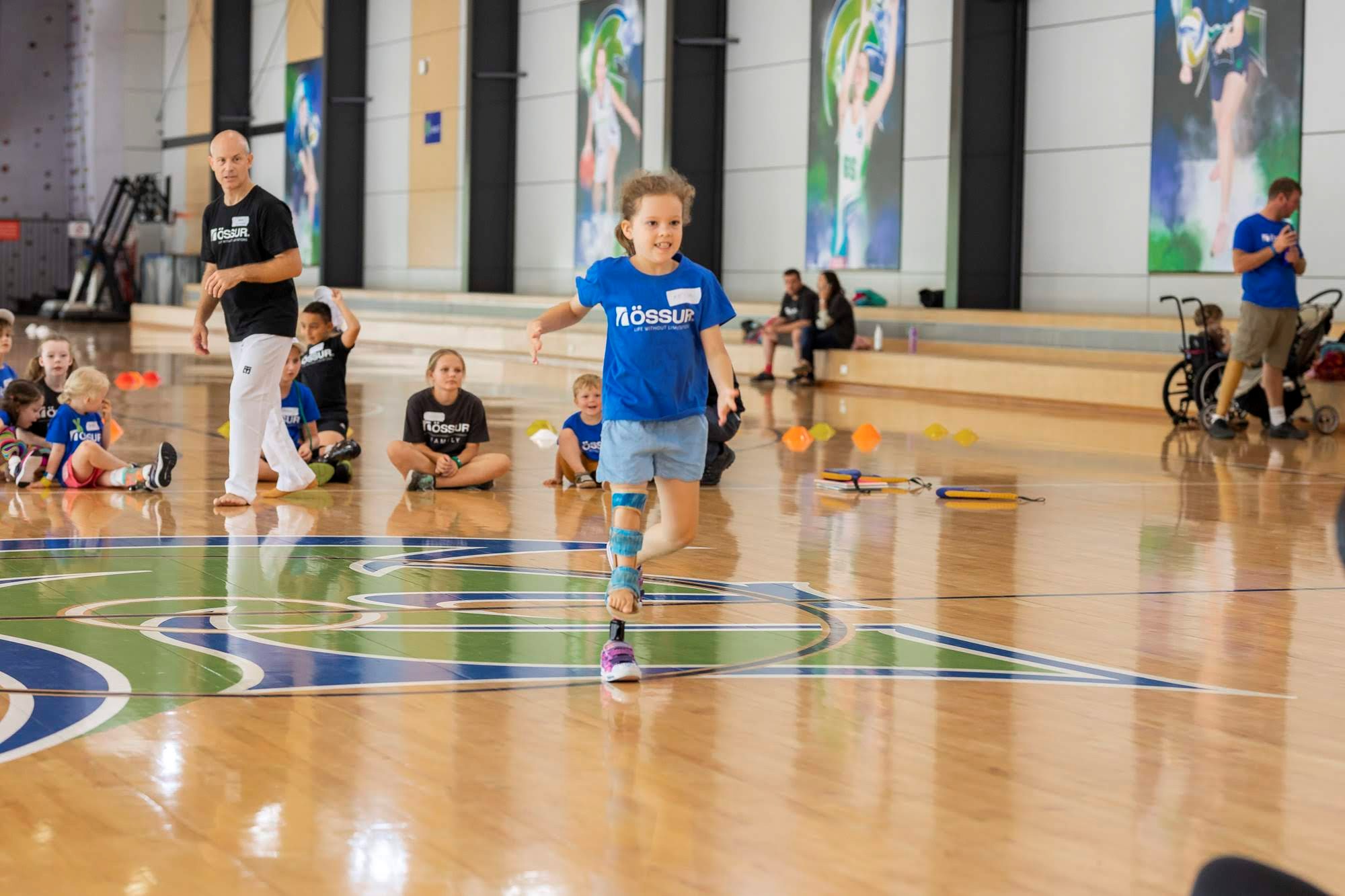
Matilda first encountered wheelchair fencing at a Paralympics Australia multi-sport Come & Try Day, an experience that sparked something immediate; “I really loved how fencing isn’t just about speed or power, but timing and strategy,” she says.
“At the time, Matilda was looking for a way to reconnect socially through sport while in rehabilitation – and she hasn’t looked back,” added her coach, Alex Andre.
Similar entry points are now being expanded nationally through initiatives like the Bupa Try Para Sport Series – led by Disability Sports Australia with support from Paralympics Australia – helping more people discover Para sport and connect into pathways.
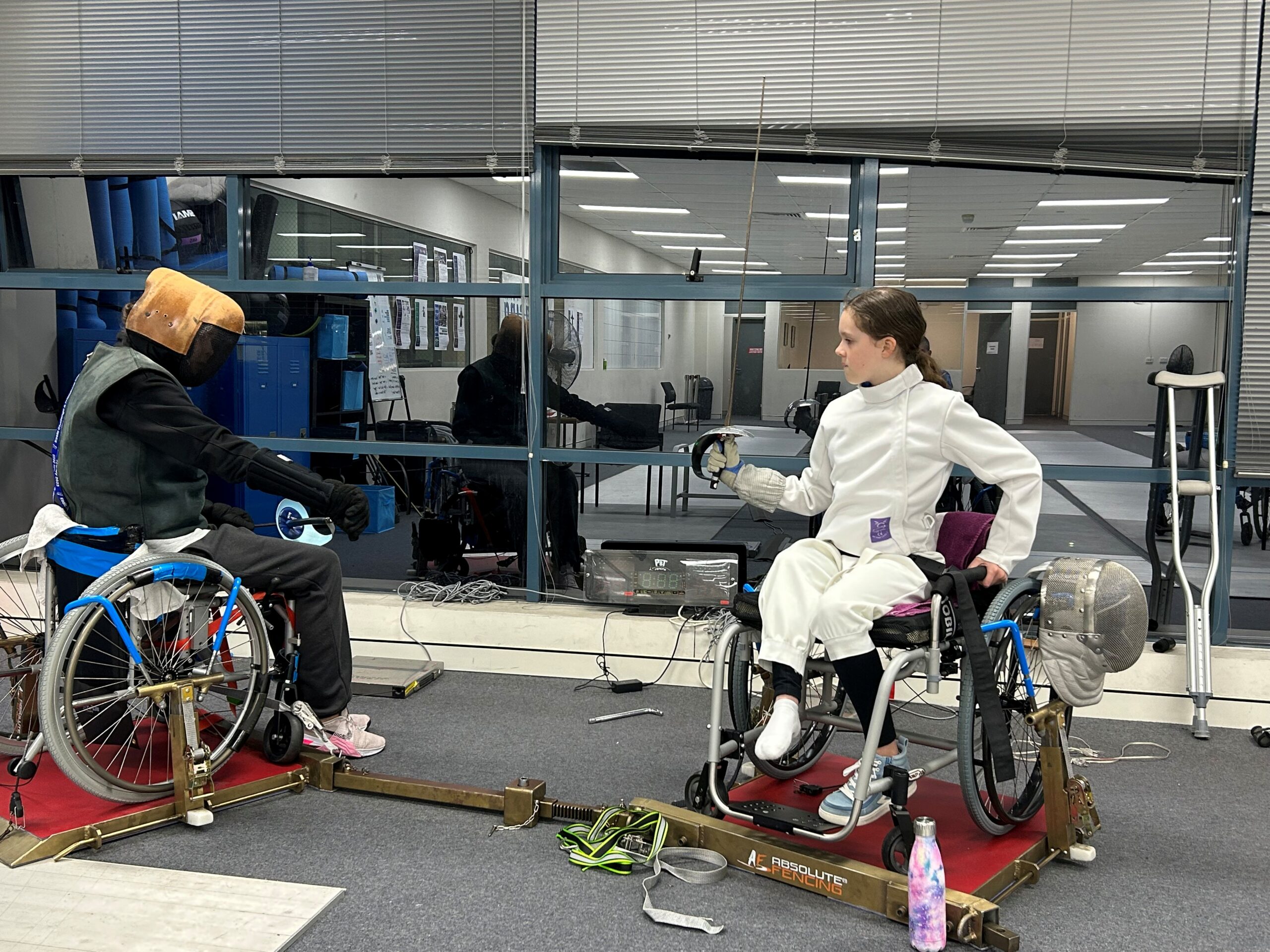
Identified as a promising athlete at just 12-years-old, Matilda has progressed steadily through emerging pathways, often developing outside traditional domestic structures. Two years on, she remains one of the few young female Para fencers in the country, building her craft in an environment where she is often the youngest in the room.
Training at the Sydney Academy of Fencing, the teenager regularly spars against adult Para fencers and able-bodied juniors – an unconventional progression that has only accelerated her development.
“It’s been challenging, but in a good way,” she says. “Training with more experienced athletes has helped me improve and I don’t think I’d be competing internationally without them.
“It’s a small sport and that can make it challenging to keep athletes engaged – but Matilda is incredibly self-motivated,” Andre adds. “That commitment is what’s driving her progression.”
Wheelchair fencing has been part of the Paralympic Games since 1960 and is one of the fastest-paced Para sports, demanding speed, precision and tactical awareness. Internationally, it is well established, with strong pathways across Europe and Asia. In Australia, growth has been constrained by access, particularly to equipment, facilities and structured competition opportunities.
“It is an unfortunate reality, but the biggest barriers have been resources – both financial and human,” Weiss explains. “That has limited awareness and growth, but we’re now seeing that start to shift with a committed network across clubs, states and the national system.”
At the Sydney Academy of Fencing, that reality has been met with quiet determination and ingenuity. Under the guidance of Director and Coach, Andre, the program has grown steadily, driven as much by belief in the sport’s potential as by the resources to hand.
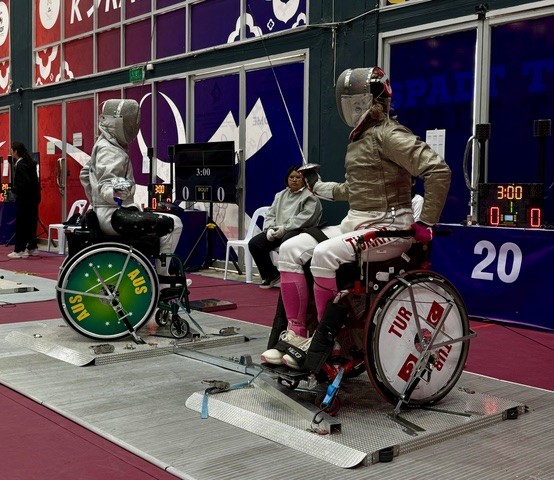
“We’ve worked hard to build a program that is inclusive at a community level, while also supporting high performance athletes,” Andre says. “Matilda has come through both and she’s a great example of where the sport can take you.”
That progress is being driven in part by Paralympics Australia’s Para Sport Equipment Enhancement Program (PEEP), where investment in the right equipment is putting the sport on the front foot. Over the past few years, the Academy has received three key grants totalling more than $20,000, enabling critical investments that are reshaping what training looks like in practice.
“The PEEP funding has been transformative,” Andre says. “It’s allowed us to run proper training, camps and competitions safely – and honestly, the upcoming national camp and showcase wouldn’t be possible without it.”
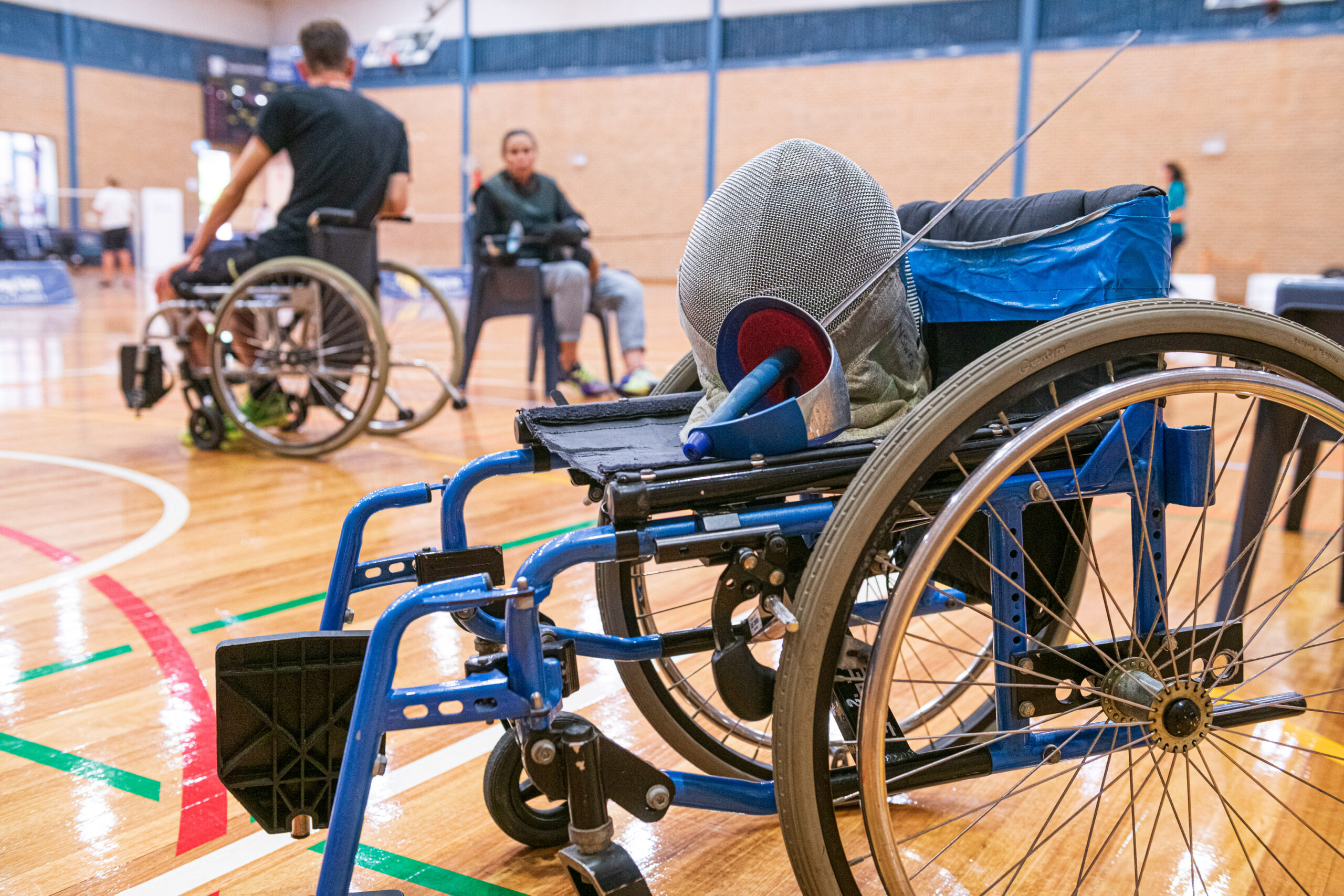
For Matilda, a $7,660 PEEP grant provided a custom-built competition wheelchair designed to meet international standards and perfectly tailored to her size and support needs.
“It’s made a massive difference to my confidence and performance,” she says. “Because it’s made for me, I don’t have to worry about things not fitting properly – I can just focus on my fencing.”
The chair has enabled her to train and compete at a higher level, including representing Australia at the 2025 World Ability Sport Games in Jakarta, where she was one of the youngest competitors.
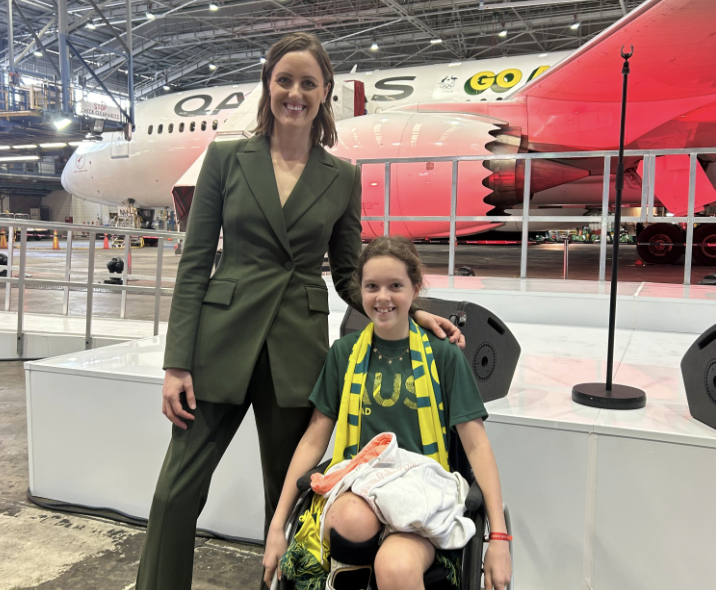
“Having access to a competition wheelchair tailored to her made a huge difference,” Andre adds. “It allowed her to compete internationally and continue developing at the level she needed.”
Additional grants funded new fencing clothing and protective gear – masks, jackets, breeches, and underplastrons – along with specialised wheelchair fencing frames that allow multiple athletes to train simultaneously. Together, these investments are improving safety, increasing capacity and removing barriers that once made the sport prohibitively difficult for beginners.
At a national level, that progress is being driven through collaboration.
“Collaboration is critical,” Weiss says. “To build a sustainable sport, you need alignment across athletes, coaches, clubs and the national system. Without that unified approach, it’s very difficult to create real, lasting growth.”
The upcoming camp and showcase sit at the centre of this shift, bringing together athletes, coaches and support staff in a way the sport has never experienced before.
“It’s really exciting to see the sport growing in Australia,” Matilda says. “It gives us more of a team, which is really motivating.”
While Matilda’s focus remains grounded in the day-to-day – the next session, the next bout, the next improvement – her vision for the future is beginning to take shape. Inspired by watching the Australian Paralympic Team return home from Paris 2024, she has started to imagine her own place on that stage.
“Seeing the Paralympians face to face was a real eye opener,” she says. “It made me want to work even harder towards my goal of becoming a Paralympian.:
“Brisbane 2032 is a powerful motivator,” Weiss adds. “Athletes like Matilda are not only aiming to compete, but to show what’s possible. They become a beacon for the next generation – and that’s how we build something sustainable for the future.”
By Ashley Gillespie, Paralympics Australia
Published 8 April 2026.

"*" indicates required fields